Acute Kidney Injury (AKI): Causes, Symptoms and Treatment
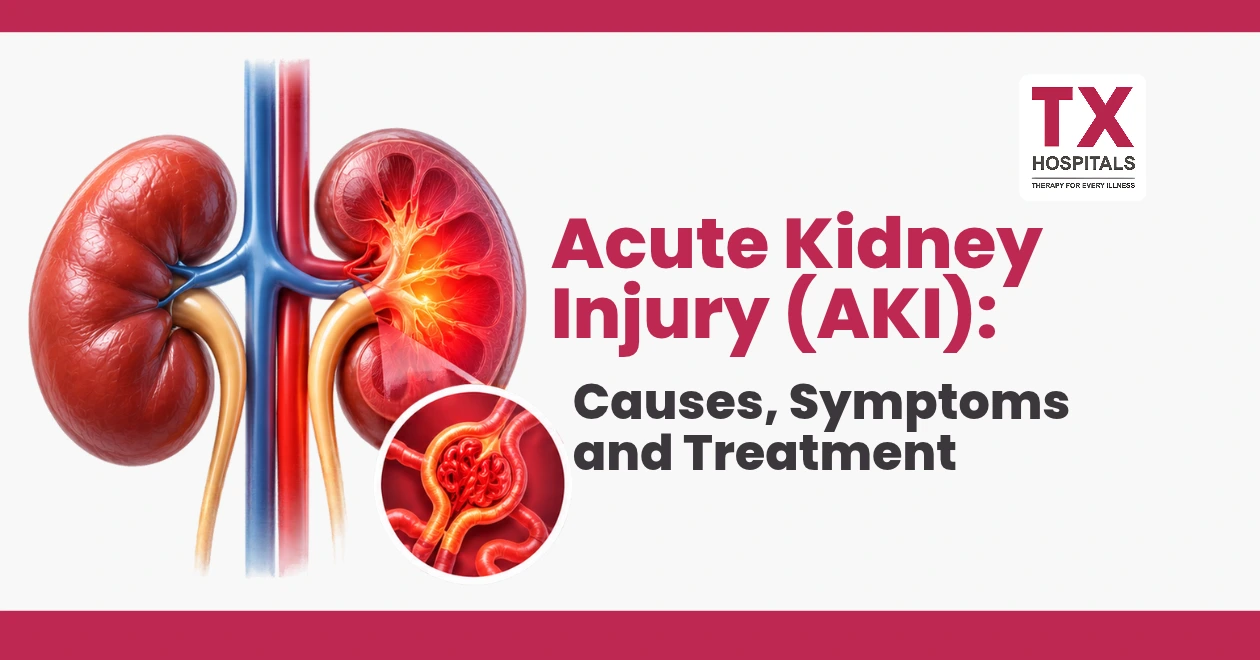
Your kidneys play an important role in removing waste, balancing fluids and maintaining the right levels of minerals in your body. But what happens when your kidneys suddenly stop working properly?
This condition is known as Acute Kidney Injury (AKI). It can develop within a few hours or days and may affect how well the kidneys filter waste from the blood. Early symptoms are sometimes difficult to notice, but timely diagnosis and treatment can help prevent serious complications.
Understanding the causes, warning signs and treatment of acute kidney injury can help you recognise the condition early and protect your kidney health.
What Is Acute Kidney Injury?
Acute Kidney Injury (AKI), also called acute kidney failure, is a condition in which the kidneys suddenly lose their ability to filter waste products and excess fluids from the blood.
When the kidneys are not working properly, waste products can build up in the body, and fluid levels may become unbalanced. This can affect other organs and lead to health complications if not treated on time.
AKI can affect anyone, but it is more common in people who are seriously ill, dehydrated or already have kidney problems. In many cases, kidney function can improve with proper treatment, depending on the cause and severity of the injury.
What Are the Causes of Acute Kidney Injury?
Acute kidney injury can develop due to several factors that affect blood flow to the kidneys, directly damage kidney tissues or block urine flow.
Common causes include:
- Severe dehydration: Excessive fluid loss due to vomiting, diarrhoea, fever or inadequate fluid intake can reduce blood flow to the kidneys.
- Reduced blood flow: Conditions such as severe blood loss, heart failure, low blood pressure or shock can limit the supply of blood to the kidneys.
- Severe infections: Serious infections, particularly sepsis, can affect kidney function and cause sudden kidney damage.
- Medication-related kidney damage: Certain painkillers, antibiotics and other medications may affect kidney function, particularly when taken inappropriately or in patients with existing risk factors.
- Urinary tract obstruction: Kidney stones, an enlarged prostate or other blockages can prevent urine from flowing normally.
- Underlying medical conditions: Diabetes, high blood pressure and pre-existing kidney problems can increase the risk of developing acute kidney injury.
At TX Hospitals, one of the top nephrology hospitals in Uppal, experienced nephrologists provide proper care for acute kidney injury and other kidney problems. The team focuses on finding the cause early and providing the right treatment to protect kidney function.
What Are the Symptoms of Acute Kidney Injury?
Symptoms of acute kidney injury may develop gradually over a few hours or days. Some patients may not experience noticeable symptoms during the early stages, making medical evaluation important.
Common symptoms include:
- Reduced urine output or passing very little urine.
- Swelling in the feet, ankles, legs or face due to fluid retention.
- Unusual tiredness, weakness and lack of energy.
- Nausea and vomiting.
- Shortness of breath due to excess fluid accumulation.
- Confusion, difficulty concentrating or unusual drowsiness.
- Loss of appetite.
- Discomfort or pressure in the chest in severe cases.
A sudden reduction in urine output, breathing difficulty, confusion or significant swelling requires prompt medical evaluation.
Who Is at Risk of Acute Kidney Injury?
Although acute kidney injury can affect anyone, certain individuals have a higher risk of developing this condition.
Risk factors include:
- Older adults, particularly those above 65 years.
- People with diabetes or high blood pressure.
- Individuals with pre-existing chronic kidney disease.
- Patients admitted to intensive care units.
- People experiencing severe dehydration or blood loss.
- Patients undergoing major surgery.
- Individuals taking medications that may affect kidney function.
- People with heart or liver conditions.
Recognising these risk factors can help patients and nephrologists take preventive measures and monitor kidney function when necessary.
How Is Acute Kidney Injury Diagnosed?
Early diagnosis helps identify the cause of acute kidney injury and start the right treatment. A nephrologist may recommend the following tests:
- Blood tests: Check creatinine and urea levels to assess kidney function.
- Urine tests: Detect blood, protein, infection or other abnormalities.
- Urine output monitoring: Measures how much urine the kidneys produce.
- Kidney ultrasound: Helps identify kidney abnormalities or urinary blockages.
- Electrolyte tests: Check potassium, sodium and other mineral levels.
- Additional tests: CT scans or kidney biopsy may be recommended in selected cases.
At TX Hospitals, the best kidney specialists in Uppal provide expert care for acute kidney injury through timely diagnosis and suitable treatment to help protect kidney function.
How Is Acute Kidney Injury Managed?
Managing acute kidney injury involves treating the underlying cause and monitoring kidney function to prevent further damage.
- Correcting dehydration with appropriate fluids.
- Treating infections and other underlying conditions.
- Adjusting medications that may affect kidney function.
- Relieving urinary blockages, if present.
- Monitoring urine output, creatinine and electrolyte levels.
- Managing excess fluid buildup and other complications.
- Providing dialysis when severe kidney dysfunction requires it.
Regular monitoring and timely medical care help support kidney recovery and prevent complications.
Can Acute Kidney Injury Be Reversed?
Yes, acute kidney injury can often be reversed, particularly when the underlying cause is identified and treated early.
The recovery process depends on the severity of kidney damage, the patient's overall health and the presence of any pre-existing kidney conditions. At TX Hospitals, a trusted kidney hospital near Uppal, experienced nephrologists provide appropriate care to help patients manage kidney problems.
Some patients regain normal kidney function within days or weeks, while others may require a longer recovery period. In severe cases, kidney damage may persist and progress to chronic kidney disease.
Regular follow-up appointments and kidney function tests are important to monitor recovery and identify any long-term complications.
How Can You Prevent Acute Kidney Injury?
Although not all cases of AKI can be prevented, certain steps can help lower the risk of kidney damage.
- Drink enough water throughout the day, especially during hot weather or illness, unless fluid intake has been restricted.
- Avoid taking painkillers or other medicines without proper guidance.
- Manage conditions such as diabetes and high blood pressure.
- Seek timely treatment for severe diarrhoea, vomiting or infections.
- Inform doctors about existing kidney problems before starting new medications.
- Follow recommended kidney function tests if you are at higher risk.
These simple precautions can help protect kidney health and reduce the chances of sudden kidney injury.
When Should You Consult a Nephrologist?
Do not ignore sudden changes in urination or signs of fluid buildup. Seek medical attention if you notice:
- Passing very little urine or no urine.
- Sudden swelling in your legs, feet or face.
- Persistent nausea or vomiting.
- Unusual tiredness or weakness.
- Difficulty breathing.
- Confusion or unusual drowsiness.
If you experience severe breathing difficulty, chest pain or confusion, seek emergency medical care.
Get Expert Care for Acute Kidney Injury
Acute kidney injury requires timely medical attention to prevent further kidney damage and reduce the risk of complications. Recognising early symptoms, identifying the underlying cause and following the recommended treatment plan can make a significant difference in recovery.
The Nephrology Department provides evaluation and management of kidney-related conditions through appropriate diagnostic investigations, medical treatment and ongoing kidney function monitoring.
If you notice sudden changes in urine output, swelling or abnormal kidney function test results, consult a nephrologist for timely evaluation and appropriate care.
Frequently Asked Questions
Disclaimer
The information provided in this blog is for general health awareness and educational purposes only. It should not be considered a substitute for professional medical advice, diagnosis or treatment. The content may not apply to every individual's health condition. Always consult a qualified healthcare professional for any medical concerns or treatment decisions. Do not ignore or delay medical advice based on the information shared in this blog.
Share this






Book Appointment
Categories
- Health Care
- Mother & Child
- Pediatric
- Health Days
- Urology
- Dental
- Gastroenterology
- Neurology
- Gynecology
- Orthopedics
- Cardiology
- Oncology
- Robotic Sciences
- Nephrology
- Rheumatology
- Orthopaedics
- Pulmonology
- Internal Medicine
- General Medicine
- Gastroeneterology
- Endocrinology
- Dermatology
- Pediatric Urologist
- Ophthalmology
- Gynecologist
- Ophthalmologist
- Ent
- Psychiatry
- Pediatrician
- Health Day
- Spine Surgery
- General Physician
- Awarness Day
- Liver Transplantation Surgery
- internal medicine
- General Surgeries
- Health care
- ENT
- cardiothoracic & vascular surgery
- Pediatric Neurologist
- Gastroenterologist
- Gynecology Hospitals
- oncology
- Trauma Surgeons
- Neuro Sciences
- Internal Madicine
- cardiac sciences
- Genecology
- Dietician
- Diabetology