Chest Pain or Heart Attack? How to Know When It's an Emergency
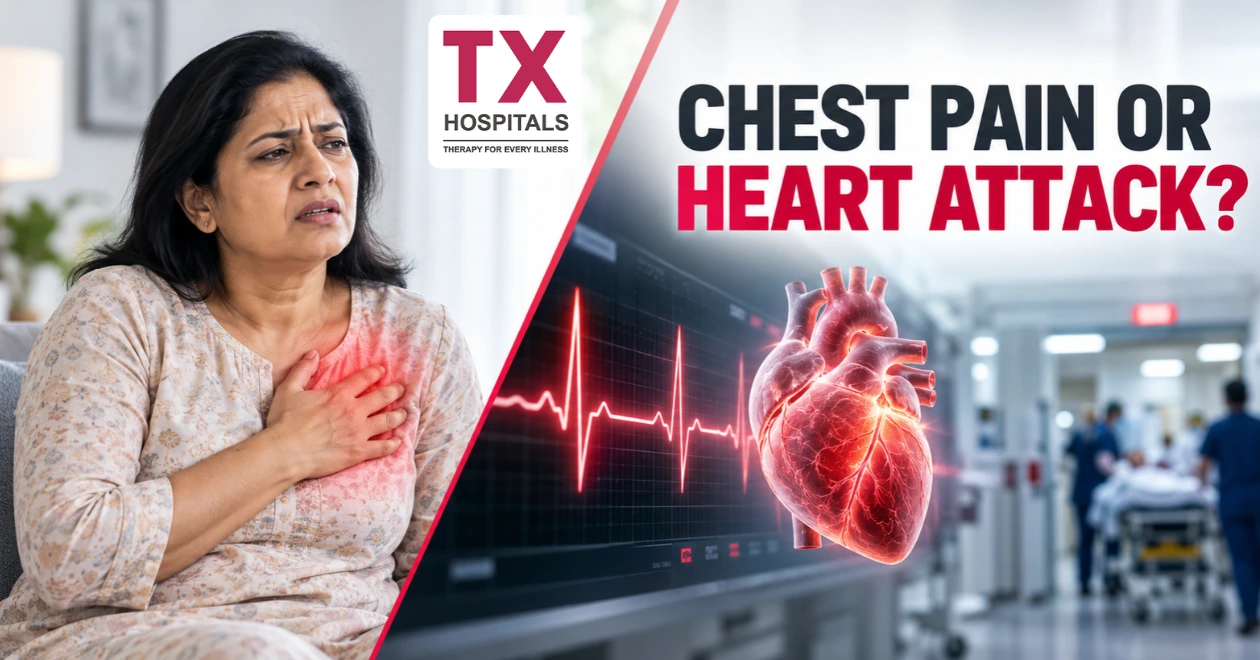
Chest discomfort is quite common and it doesn't always mean you're having a heart attack. Sometimes, it may happen because of acidity, muscle strain or stress. But in some cases, chest pain can be a warning sign of a serious heart problem.
The difficult part is that heart attack symptoms don't always feel the same for everyone. Some people experience severe chest pain, while others may only notice mild discomfort, sweating or shortness of breath.
Knowing when chest pain needs emergency attention can make a big difference. Let's understand the possible causes, warning signs and when you should seek immediate medical help.
What Causes Chest Pain?
Chest pain can happen for several reasons. While some causes are relatively harmless, others may need urgent medical attention.
Some common causes include:
- Acidity or acid reflux: A burning feeling in the chest, especially after eating or lying down.
- Muscle strain: Chest pain that may become worse when you move, stretch or press on the affected area.
- Anxiety or panic attacks: Chest tightness accompanied by a racing heartbeat, sweating or rapid breathing.
- Lung problems: Conditions such as pneumonia, pulmonary embolism or a collapsed lung can cause chest pain.
- Heart-related conditions: Angina and heart attacks can cause chest discomfort when the heart muscle isn't getting enough blood.
Since different conditions can cause similar symptoms, it's not always possible to identify the exact reason based on how the pain feels.
Warning signs of a Heart Attack you should never ignore
A heart attack happens when blood flow to part of the heart muscle becomes blocked. Without enough oxygen, the heart muscle can begin to suffer damage.
Recognising the warning signs early is important.
1. Chest Pressure or Tightness
One of the most common heart attack symptoms is a feeling of pressure, squeezing, fullness or heaviness in the centre of the chest.
It may last for several minutes or disappear and return.
2. Pain Spreading to Other Areas
Heart attack discomfort may spread beyond the chest to the:
- Left or right arm
- Shoulder
- Neck or jaw
- Back
- Upper abdomen
Some people may experience discomfort in these areas without noticeable chest pain.
3. Shortness of Breath
Feeling unusually breathless, even while resting or doing light activities, can be a warning sign.
Breathlessness may occur along with chest discomfort or sometimes on its own.
4. Cold Sweating, Nausea or Dizziness
Sudden cold sweats, nausea, vomiting or feeling faint may also occur during a heart attack.
These symptoms become especially concerning when they appear with chest discomfort or breathlessness.
5. Unusual Tiredness
Some people, particularly women, may experience unusual tiredness or weakness before or during a heart attack.
Although tiredness can have many causes, sudden unexplained fatigue accompanied by other symptoms should not be ignored.
Can a Heart Attack happen without Chest Pain?
Yes. Not everyone experiences the typical crushing chest pain commonly associated with a heart attack.
Some people may mainly experience:
- Sudden breathlessness
- Nausea or vomiting
- Unexplained sweating
- Pain in the jaw, back or upper abdomen
- Dizziness or extreme weakness
Women, older adults and people with diabetes may experience these symptoms without chest pain. They can easily be confused with acidity or tiredness.
At TX Hospitals, you can consult a top heart specialist in Kachiguda to understand your symptoms and get the right medical advice. If you suspect a heart attack, seek emergency care immediately.
When is Chest Pain a Medical Emergency?
Chest pain should never be ignored when it appears suddenly, feels unusual or is accompanied by other warning signs.
Seek emergency medical care immediately if you experience:
- New or unexplained chest pressure, tightness or pain lasting more than a few minutes
- Chest discomfort that goes away and comes back
- Chest pain with sweating, nausea or breathlessness
- Pain spreading to the arms, jaw, neck or back
- Sudden fainting, severe weakness or dizziness
- Sudden severe chest or back pain, particularly with a tearing sensation
Do not wait for every symptom to appear. Even mild discomfort can sometimes indicate a serious heart problem.
If you suspect a heart attack, call emergency services immediately rather than trying to manage the symptoms at home.
What should you do if you suspect a Heart Attack?
The first few minutes are important when someone may be having a heart attack.
Here's what you should do:
1. Call for Emergency Help
Call 112 in India or your local emergency ambulance service immediately. Do not wait to see whether the pain disappears.
2. Stop Physical Activity
Sit down and rest while waiting for medical help. Avoid walking around or putting extra strain on your body.
3. Avoid Driving Yourself
An ambulance is generally the safer option because emergency personnel can begin assessment and treatment during transport.
4. Follow Emergency Medical Instructions
An emergency dispatcher may advise aspirin if appropriate. Do not take it if you have an allergy or another reason it may be unsafe. Do not take someone else's heart medication.
5. Act Quickly if the Person Becomes Unresponsive
If the person is unconscious and not breathing normally, begin CPR and use an automated external defibrillator (AED) if available, following emergency dispatcher instructions.
Never assume chest pain is only acidity without proper medical evaluation.
How do Doctors Check whether Chest Pain is a Heart Attack?
When someone reaches the emergency department with possible heart attack symptoms, doctors assess their condition and perform tests to understand what is happening.
Common tests include:
Electrocardiogram (ECG)
An ECG records the electrical activity of the heart. It helps doctors look for changes that may indicate a heart attack or other heart problems.
Troponin Blood Test
This test checks for proteins released into the blood when the heart muscle is damaged. Doctors may repeat the test after a few hours if needed.
Echocardiogram
An echocardiogram uses ultrasound to check how well the heart is pumping and whether any part of the heart muscle is moving abnormally.
Coronary Angiography
If doctors suspect a blocked coronary artery, coronary angiography may be recommended to identify the blockage and guide treatment.
Not everyone needs all these tests. Doctors decide which tests are necessary based on the symptoms and initial examination.
If you're searching for a cardiologist near me in Kachiguda, TX Hospitals offers cardiology consultations and heart-related evaluations to help identify the cause of chest pain and guide further treatment.
Who is at Higher Risk of a Heart Attack?
A heart attack can happen to anyone, but certain factors increase the risk.
These include:
- High blood pressure
- Diabetes
- High cholesterol
- Smoking or tobacco use
- Obesity
- Lack of regular physical activity
- Family history of early heart disease
- Increasing age
- Previous heart disease
Having one or more risk factors does not mean you will definitely experience a heart attack. However, understanding your risk and managing these conditions can help protect your heart.
Can you prevent a Heart Attack?
Not every heart attack can be prevented, but healthy daily habits and proper management of medical conditions can reduce the risk.
A few steps include:
- Eat more vegetables, fruits, whole grains and fibre-rich foods.
- Stay physically active according to your health and fitness level.
- Avoid smoking and tobacco products.
- Keep your blood pressure, blood sugar and cholesterol under control.
- Maintain a healthy weight.
- Get enough sleep and manage ongoing stress.
- Attend regular health check-ups, especially if you have risk factors.
Small changes made consistently can support better heart health over time.
Don't ignore Chest Pain: get your Heart checked
Chest pain doesn't always mean a heart attack, but it isn't something you should try to diagnose on your own.
Whether the discomfort feels like pressure, burning or tightness, understanding the warning signs and getting medical attention at the right time is important.
If you experience sudden chest discomfort with breathlessness, sweating, dizziness or pain spreading to other parts of your body, seek emergency care immediately.
For non-emergency concerns, people experiencing recurring chest discomfort or those with heart disease risk factors can consult specialists at TX Hospitals, one of the best cardiac hospitals in Kachiguda, for cardiac evaluation and guidance on appropriate treatment.
Remember, when it comes to a possible heart attack, getting help early can save your life.
Frequently Asked Questions
Disclaimer
The information provided in this blog is for general health awareness and educational purposes only. It should not be considered a substitute for professional medical advice, diagnosis or treatment. The content may not apply to every individual's health condition. Always consult a qualified healthcare professional for any medical concerns or treatment decisions. Do not ignore or delay medical advice based on the information shared in this blog.
Share this






Book Appointment
Categories
- Health Care
- Mother & Child
- Pediatric
- Health Days
- Urology
- Dental
- Gastroenterology
- Neurology
- Gynecology
- Orthopedics
- Cardiology
- Oncology
- Robotic Sciences
- Nephrology
- Rheumatology
- Orthopaedics
- Pulmonology
- Internal Medicine
- General Medicine
- Gastroeneterology
- Endocrinology
- Dermatology
- Pediatric Urologist
- Ophthalmology
- Gynecologist
- Ophthalmologist
- Ent
- Psychiatry
- Pediatrician
- Health Day
- General Physician
- Awarness Day
- Liver Transplantation Surgery
- internal medicine
- General Surgeries
- Health care
- ENT
- cardiothoracic & vascular surgery
- Pediatric Neurologist
- Gastroenterologist
- Gynecology Hospitals
- oncology
- Trauma Surgeons
- Neuro Sciences
- Internal Madicine
- cardiac sciences
- Genecology
- Dietician
- Diabetology