Diabetes Awareness Month 2026 : Why Diabetes Care Goes Beyond Blood Sugar Levels
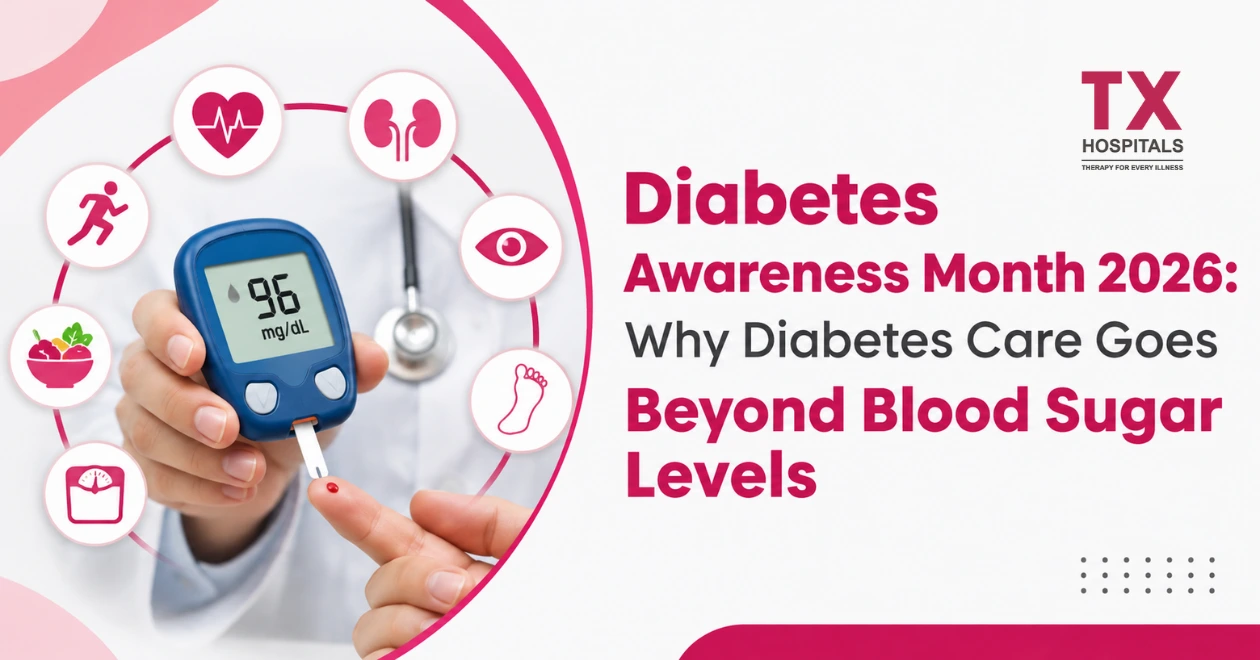
Diabetes is often associated with high blood sugar levels, but its effects can go far beyond blood glucose. Over time, uncontrolled diabetes can affect the heart, kidneys, eyes, nerves and other parts of the body. This is why managing diabetes involves more than checking sugar levels or taking medicines.
Observed every November, Diabetes Awareness Month highlights the importance of understanding diabetes, recognising its possible complications and taking steps to protect overall health. It also reminds people living with diabetes that regular check-ups, healthy habits and timely medical care play an important role in long-term well-being.
What Is Diabetes?
Diabetes is a long-term condition that affects how the body uses glucose (sugar) for energy. Insulin, a hormone produced by the pancreas, helps glucose move from the blood into the body's cells. When the body does not produce enough insulin or cannot use it properly, blood sugar levels rise.
The main types of diabetes include:
- Type 1 Diabetes: The body's immune system mistakenly attacks the cells that make insulin, so the body produces little or no insulin.
- Type 2 Diabetes: The body cannot use insulin properly or does not make enough insulin to keep blood sugar levels under control.
- Gestational Diabetes: This type develops during pregnancy and usually requires careful monitoring to protect the health of both mother and baby.
Each type needs appropriate care and regular monitoring.
Why Does Diabetes Care Go Beyond Blood Sugar Levels?
Keeping blood sugar under control is important, but diabetes can also affect other parts of the body over time. High blood sugar can harm the blood vessels and nerves and may lead to other health problems. At TX Hospitals, one of the best endocrinology hospitals in Hyderabad, diabetes care focuses on managing blood sugar and protecting overall health.
Here are some important areas that need attention:
1. Heart Health
People with diabetes are more likely to develop heart problems or have a stroke. High blood sugar can harm the blood vessels, especially when a person also has high blood pressure or high cholesterol.
Checking blood pressure and cholesterol regularly, eating healthy foods and staying active can help keep the heart healthy.
2. Kidney Health
The kidneys filter waste and extra fluid from the blood. Over time, high blood sugar can damage the small blood vessels in the kidneys, affecting their ability to work properly. This may lead to diabetic kidney disease.
Regular kidney function tests and urine tests can help identify early signs of kidney damage. Keeping blood sugar and blood pressure under control is also important for protecting kidney health.
3. Eye Health
Diabetes can damage the tiny blood vessels in the eyes, leading to a condition called diabetic retinopathy. It may also increase the risk of cataracts and glaucoma.
Some eye problems may not cause noticeable symptoms in the early stages. Regular eye examinations can help detect changes early and reduce the risk of vision loss.
4. Nerve Health
High blood sugar levels over time can damage nerves, particularly in the feet and legs. This is known as diabetic neuropathy.
Common symptoms may include:
- Tingling or numbness in the hands and feet
- Burning or shooting pain
- Reduced ability to feel heat, cold or pain
- Muscle weakness
Regular foot checks and timely attention to unusual sensations can help prevent complications.
5. Foot Health
People with diabetes may have reduced blood flow and nerve damage in their feet. As a result, small cuts, blisters or wounds may go unnoticed and take longer to heal.
Checking the feet every day, wearing comfortable footwear and keeping the skin clean can help prevent problems. Any wound, swelling, redness or change in skin colour should be checked without delay.
6. Oral Health
Diabetes can also affect the gums and teeth. People with poorly controlled blood sugar may have a higher risk of gum infections, gum disease, dry mouth and other dental problems.
Brushing twice a day, flossing regularly and attending routine dental check-ups can help maintain good oral health.
What Should Diabetes Care Include Beyond Sugar Monitoring?
Managing diabetes involves looking after the body as a whole. Along with regular blood sugar checks, a care plan may include:
- Blood pressure monitoring: Helps identify high blood pressure, which can increase the risk of heart and kidney problems.
- Cholesterol checks: Help assess the risk of heart disease and related complications.
- Kidney function tests: Help identify early signs of kidney damage.
- Regular eye examinations: Help detect diabetes-related changes in vision.
- Foot examinations: Help identify nerve damage, poor circulation and wounds.
- Dental check-ups: Help prevent and manage gum problems.
At TX Hospitals, a best hospital for diabetes treatment in Hyderabad, diabetes care focuses on regular monitoring and overall health, not just blood sugar levels.
The frequency of these tests depends on a person's age, diabetes type, overall health and medical history.
Simple Daily Habits That Support Diabetes Management
Small changes in daily routines can make a difference in managing diabetes and protecting overall health.
- Choose balanced meals: Include vegetables, fruits, whole grains, pulses and suitable sources of protein.
- Stay physically active: Walking, cycling or other suitable activities can help improve blood sugar control.
- Take medicines as advised: Follow the prescribed medication plan and avoid changing doses without medical guidance.
- Get enough sleep: Maintain a regular sleep routine to support overall health.
- Avoid smoking: Smoking increases the risk of heart disease and other diabetes-related complications.
- Attend regular check-ups: Keep track of blood sugar levels and other important health measures.
When Should You Seek Medical Attention?
Do not ignore symptoms such as frequent urination, increased thirst, unexplained weight loss, blurred vision or unusual tiredness. These may be signs of diabetes or changes in blood sugar levels.
People already living with diabetes should also seek medical attention if they notice persistent numbness, foot wounds, vision changes, swelling or other unusual symptoms. Early evaluation can help identify problems before they become more serious.
At TX Hospitals, patients can consult some of the top endocrinologists in Hyderabad for proper evaluation, diabetes management and timely care.
Make Diabetes Care About Your Whole Health
Diabetes management is not just about achieving a good blood sugar reading. It also means protecting your heart, kidneys, eyes, nerves and overall well-being. This Diabetes Awareness Month, take a step towards better health by keeping up with regular check-ups, following healthy daily habits and paying attention to changes in your body.
Remember, taking care of diabetes means taking care of your whole body.
Frequently Asked Questions
Disclaimer
The information provided in this blog is for general health awareness and educational purposes only. It should not be considered a substitute for professional medical advice, diagnosis or treatment. The content may not apply to every individual's health condition. Always consult a qualified healthcare professional for any medical concerns or treatment decisions. Do not ignore or delay medical advice based on the information shared in this blog.
Share this


Book Appointment
Categories
- Health Care
- Mother & Child
- Pediatric
- Health Days
- Urology
- Dental
- Gastroenterology
- Neurology
- Gynecology
- Orthopedics
- Cardiology
- Oncology
- Robotic Sciences
- Nephrology
- Rheumatology
- Orthopaedics
- Pulmonology
- Internal Medicine
- General Medicine
- Gastroeneterology
- Endocrinology
- Dermatology
- Pediatric Urologist
- Ophthalmology
- Gynecologist
- Ophthalmologist
- Ent
- Psychiatry
- Pediatrician
- Health Day
- General Physician
- Awarness Day
- Liver Transplantation Surgery
- internal medicine
- General Surgeries
- Health care
- ENT
- cardiothoracic & vascular surgery
- Pediatric Neurologist
- Gastroenterologist
- Gynecology Hospitals
- oncology
- Trauma Surgeons
- Neuro Sciences
- Internal Madicine
- cardiac sciences
- Genecology
- Dietician
- Diabetology