The Evolution of Surgery: How Robotic Technology Is Transforming Patient Care
Introduction:
Surgery has come a long way from the days when large incisions and extensive tissue exposure were necessary for many operations. Advances in medical technology have introduced new approaches that allow surgeons to perform complex procedures with greater control and improved visualisation.
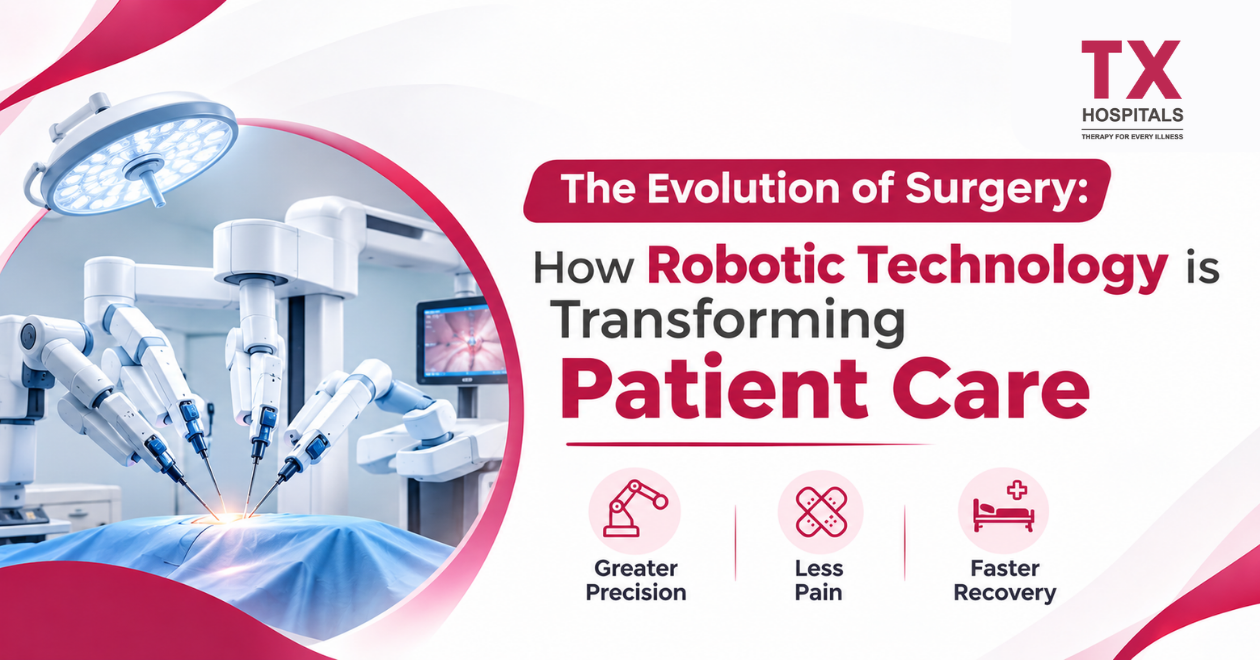
One of the most significant developments is the integration of robotic technology into modern surgical practice.
Rather than replacing conventional surgical methods entirely, robotic-assisted techniques are expanding the options available to surgeons. They are helping address certain surgical challenges, particularly in procedures involving delicate tissues, confined spaces and complex anatomical structures.
Let's explore the major developments shaping the future of modern surgery.
1. Moving Beyond Conventional Surgical Techniques
Traditional open surgery and laparoscopic procedures continue to play an important role in healthcare. However, each surgical approach has certain limitations depending on the complexity and location of the operation.
Robotic-assisted techniques introduce another option by combining specialised instruments, advanced imaging and surgeon-controlled movements.
This allows surgeons to approach selected procedures through minimally invasive techniques while maintaining detailed visualisation of the surgical area.
The goal is not simply to introduce advanced technology but to provide an appropriate surgical approach for each patient's condition.
2. Better Visualisation of Complex Anatomical Structures
During surgery, understanding the surrounding anatomy is essential for performing delicate procedures.
Modern robotic platforms provide magnified, high-definition 3D images of the operating area. This helps surgeons examine tissues and identify important anatomical structures with greater visual detail.
This feature can be particularly valuable in procedures involving:
- Small blood vessels.
- Delicate nerve structures.
- Deep pelvic regions.
- Complex gastrointestinal anatomy.
- Tissues surrounding affected organs.
Improved visualisation supports surgical decision-making and allows greater control during selected procedures.
3. Bringing Greater Control to Complex Procedures
Some surgical procedures require movements in narrow spaces where conventional instruments may have limited flexibility.
Robotic instruments are designed with specialised joints that allow wrist-like movements inside the body.
These movements can help surgeons perform delicate tasks, such as suturing, dissecting and manipulating tissues.
For selected complex operations, this added flexibility can make certain surgical steps more manageable. At TX Hospitals, a robotic surgery hospital in Banjara Hills, patients can consult experienced surgical specialists for advanced treatment approaches supported by modern surgical technology.
However, the final outcome still depends on the surgeon's expertise, procedure selection and the patient's medical condition.
4. Changing the Approach to Cancer Surgery
Cancer surgery often involves removing affected tissues while preserving as much healthy surrounding tissue as clinically appropriate.
Robotic-assisted techniques are increasingly being used for selected cancer procedures, particularly in areas where precision and access are important.
Some applications include:
- Prostate cancer surgery.
- Selected kidney cancer procedures.
- Colorectal cancer surgery.
- Certain gynaecological cancer operations.
The technology may assist surgeons in accessing difficult anatomical areas and performing delicate surgical movements.
Importantly, robotic surgery is one of several surgical options for cancer treatment. The appropriate approach depends on cancer type, stage, location and the patient's overall health.
5. Supporting the Growth of Specialised Surgical Treatments
Robotic technology is not limited to one medical speciality. Its applications continue to expand across different areas of surgery.
Urology: Used in selected prostate, kidney and urinary tract procedures.
Gynaecology: Applied in certain hysterectomies, myomectomies and complex pelvic surgeries.
Gastrointestinal Surgery: Used for selected colorectal and other digestive system procedures.
General Surgery: Supports certain hernia repairs and other minimally invasive operations.
Orthopaedics: Robotic-assisted systems help surgeons plan and perform selected joint replacement procedures, including knee and hip replacements.
At TX Hospitals, patients looking for robotic surgery treatment in Banjara Hills can consult specialist surgeons to understand their treatment options and choose the right approach based on their condition.
The suitability of robotic surgery depends on the patient's health and the type of procedure required.
6. Making Surgical Planning More Technology-Driven
Modern surgical care increasingly involves detailed planning before the patient enters the operating room.
Advanced imaging, digital tools and robotic platforms can support surgeons in understanding anatomical structures and planning specific surgical steps.
In certain orthopaedic procedures, for example, robotic-assisted systems may use preoperative imaging or intraoperative mapping to help plan implant positioning.
Such developments are moving surgical practice towards more personalised and technology-supported treatment planning.
7. Why Surgeon Expertise Still Matters More Than Technology
Although robotic systems offer advanced capabilities, technology alone does not determine the success of an operation.
A successful surgical outcome depends on several important factors:
- Accurate diagnosis and treatment planning.
- Appropriate selection of the surgical technique.
- The surgeon's training and experience.
- The expertise of the anaesthesia and surgical support teams.
- Proper postoperative care and monitoring.
Robotic systems are tools that support surgical expertise. They do not replace clinical judgement, decision-making or the responsibility of the operating surgeon.
8. What Does the Future Hold for Robotic Surgery?
The next phase of surgical advancement is likely to involve greater integration of digital technology, artificial intelligence, advanced imaging and surgical navigation.
Emerging developments are exploring ways to improve surgical planning, provide real-time anatomical guidance and support more precise procedures.
Some key areas of development include:
- AI-assisted surgical planning.
- Improved robotic instrument designs.
- Advanced imaging and navigation.
- Greater integration of digital surgical data.
- Development of robotic platforms for additional specialities.
While these technologies continue to evolve, their clinical use must be supported by appropriate research, safety evaluation and medical expertise.
Choosing the Right Surgical Approach
With advancements in surgical technology, patients today have access to different treatment approaches, including open, laparoscopic and robotic-assisted surgery.
The choice depends on the medical condition, complexity of the procedure and the patient's overall health.
For those looking for a robotic surgeon near me in Banjara Hills, TX Hospitals provides access to specialist consultations to help patients understand advanced surgical options and make informed treatment decisions.
An expert evaluation helps determine the most appropriate surgical approach for each patient.
A New Era of Precision in Surgical Care
Robotic technology represents an important step in the evolution of modern surgery. By supporting better visualisation, controlled instrument movements and selected minimally invasive procedures, it is expanding the possibilities of surgical treatment.
However, advanced technology works best when combined with experienced surgeons, appropriate patient selection and comprehensive medical care.
The future of surgery will not be defined by technology alone, but by how effectively innovation and medical expertise come together to improve patient care.
Frequently Asked Questions
Disclaimer
The information provided in this blog is for general health awareness and educational purposes only. It should not be considered a substitute for professional medical advice, diagnosis or treatment. The content may not apply to every individual's health condition. Always consult a qualified healthcare professional for any medical concerns or treatment decisions. Do not ignore or delay medical advice based on the information shared in this blog.
Share this






Book Appointment
Categories
- Health Care
- Mother & Child
- Pediatric
- Health Days
- Urology
- Dental
- Gastroenterology
- Neurology
- Gynecology
- Orthopedics
- Cardiology
- Oncology
- Robotic Sciences
- Nephrology
- Rheumatology
- Pulmonology
- Cardiothoracic & Vascular Surgery
- Internal Medicine
- General Medicine
- Gastroeneterology
- Endocrinology
- Dermatology
- Pediatric Urologist
- Ophthalmology
- Gynecologist
- Ophthalmologist
- Ent
- Psychiatry
- Pediatrician
- Health Day
- Orthopaedics
- Spine Surgery
- General Physician
- Awarness Day
- Liver Transplantation Surgery
- Robotic Gastrointestinal (GI) Surgery
- Cardiac Sciences
- internal medicine
- General Surgeries
- Health care
- ENT
- cardiothoracic & vascular surgery
- Pediatric Neurologist
- Gastroenterologist
- Gynecology Hospitals
- oncology
- Trauma Surgeons
- Neuro Sciences
- Internal Madicine
- cardiac sciences
- Genecology
- Dietician
- Diabetology