High Blood Pressure: how does it affect your Heart Health?
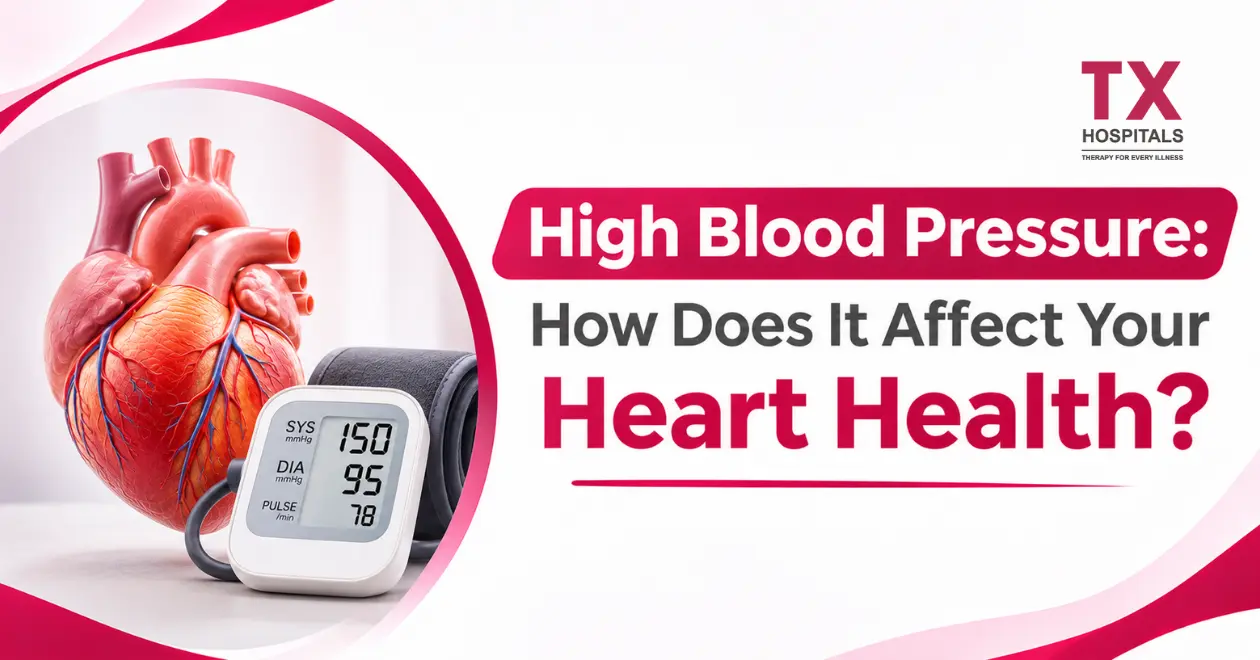
High blood pressure is one of the most common health concerns among adults. Many people may have elevated blood pressure for years without noticing any symptoms. However, ignoring it can gradually affect the heart and increase the risk of serious cardiovascular problems.
Your heart works continuously to pump blood throughout your body. When blood pressure remains high, the heart has to work harder than usual, which can put extra strain on the heart muscles and blood vessels.
But how does high blood pressure affect your heart? What warning signs should you watch for and how can you maintain healthy blood pressure levels? Let's understand.
What is High Blood Pressure?
Blood pressure is the force exerted by circulating blood against the walls of your arteries. It is measured using two numbers:
- Systolic Pressure: The pressure in your arteries when your heart contracts and pumps blood.
- Diastolic Pressure: The pressure in your arteries when your heart relaxes between beats.
A blood pressure reading is generally considered normal when it is below 120/80 mmHg for most adults. Consistently elevated readings may indicate hypertension.
High blood pressure, also known as hypertension, develops when the pressure in your arteries remains higher than the recommended range over time.
How does High Blood Pressure affect your Heart?
When blood pressure remains high, your heart needs to work harder to pump blood. Over time, this additional workload can affect the structure and functioning of your heart.
Here are some ways hypertension can impact heart health:
1. Thickening of the Heart Muscles
When the heart has to work harder to pump blood due to high pressure, its muscles may become thicker. This condition is called left ventricular hypertrophy.
Over time, the thickened heart muscle may become less efficient at pumping blood and increase the risk of heart failure.
2. Increased Risk of Heart Attack
High blood pressure can damage the inner lining of arteries, making it easier for fatty deposits to build up. This process is known as atherosclerosis.
When the arteries supplying blood to the heart become narrowed or blocked, it can lead to a heart attack.
3. Increased Risk of Heart Failure
When the heart has to work harder for a long time, its muscles may become weak or stiff. This can make it harder for the heart to pump blood properly and may lead to heart failure.
4. Irregular Heartbeat
Long-term high blood pressure can cause structural changes in the heart and increase the risk of certain abnormal heart rhythms, including atrial fibrillation.
5. Reduced Blood Supply to the Heart
Narrowing of the coronary arteries can reduce the amount of oxygen-rich blood reaching the heart muscles. This may cause chest discomfort, especially during physical activity.
What are the common symptoms of High Blood Pressure?
High blood pressure is often called a silent condition because most people do not experience noticeable symptoms, even when their readings are high.
However, some people with severely elevated blood pressure may experience:
- Persistent or severe headaches.
- Blurred vision.
- Chest pain.
- Shortness of breath.
- Dizziness.
- Nosebleeds.
These symptoms should not be ignored, especially if they occur suddenly or are severe. For expert cardiac evaluation and guidance, consult TX Hospitals, a trusted heart hospital in Kachiguda, to take better care of your heart health.
What increases your Risk of High Blood Pressure?
Several lifestyle habits and health factors can increase the likelihood of developing hypertension.
Some common risk factors include:
- Excessive salt intake.
- Lack of regular physical activity.
- Being overweight or obese.
- Smoking and alcohol consumption.
- Long-term stress.
- Family history of hypertension.
- Increasing age.
- Diabetes and kidney disease.
- Poor sleep and sleep-related disorders.
While some risk factors cannot be changed, adopting healthier habits can help reduce your overall risk.
How can you protect your Heart from High Blood Pressure?
Small changes in your daily routine can help keep your blood pressure under control and keep your heart healthy.
Here are a few simple habits to follow:
- Reduce Salt Intake: Try to eat less salt and avoid having too many packaged snacks and processed foods.
- Eat a Balanced Diet: Include fruits, vegetables, whole grains and foods rich in fibre.
- Stay Physically Active: Aim for at least 150 minutes of moderate-intensity physical activity every week, if medically appropriate.
- Maintain a Healthy Weight: Managing body weight can help improve blood pressure levels.
- Avoid Smoking: Smoking damages blood vessels and increases cardiovascular risk.
- Limit Alcohol: Reducing alcohol consumption supports better blood pressure control.
- Manage Stress: Practise relaxation techniques such as meditation, yoga or deep breathing.
- Get Enough Sleep: Maintain a regular sleep schedule and address persistent sleep problems.
If you have hypertension, take prescribed medications regularly and follow medical advice. Consult the best cardiologist in Kachiguda at TX Hospitals for expert guidance on blood pressure management and heart health.
Why is Regular Blood Pressure Monitoring Important?
High blood pressure may not cause noticeable symptoms in its early stages. This is why regular blood pressure checks are important, even when you feel healthy.
Monitoring your readings can help you:
- Identify elevated blood pressure early.
- Understand changes in your blood pressure over time.
- Check whether lifestyle changes are helping.
- Monitor how well prescribed medication is working.
- Reduce the risk of long-term cardiovascular complications.
If your readings are consistently high, consult a cardiologist for proper evaluation and guidance.
When should you Consult a Cardiologist?
You should consider consulting a cardiologist if you have repeatedly elevated blood pressure readings, a family history of heart disease or other cardiovascular risk factors.
Medical evaluation is particularly important if you experience chest discomfort, unusual breathlessness, palpitations or unexplained fatigue.
Early attention to high blood pressure can help reduce the risk of heart-related complications and support long-term cardiovascular health.
At TX Hospitals, the Cardiology Department provides comprehensive cardiac evaluation and care to help patients understand and manage cardiovascular health concerns.
Don't wait for symptoms to appear. Monitor your blood pressure and consult a cardiologist at TX Hospitals to take care of your heart health.
Frequently Asked Questions
Disclaimer
The information provided in this blog is for general health awareness and educational purposes only. It should not be considered a substitute for professional medical advice, diagnosis or treatment. The content may not apply to every individual's health condition. Always consult a qualified healthcare professional for any medical concerns or treatment decisions. Do not ignore or delay medical advice based on the information shared in this blog.
Share this


Book Appointment
Categories
- Health Care
- Mother & Child
- Pediatric
- Health Days
- Urology
- Dental
- Gastroenterology
- Neurology
- Gynecology
- Orthopedics
- Cardiology
- Oncology
- Robotic Sciences
- Nephrology
- Rheumatology
- Orthopaedics
- Pulmonology
- Internal Medicine
- General Medicine
- Gastroeneterology
- Endocrinology
- Dermatology
- Pediatric Urologist
- Ophthalmology
- Gynecologist
- Ophthalmologist
- Ent
- Psychiatry
- Pediatrician
- Health Day
- Spine Surgery
- General Physician
- Awarness Day
- Liver Transplantation Surgery
- internal medicine
- General Surgeries
- Health care
- ENT
- cardiothoracic & vascular surgery
- Pediatric Neurologist
- Gastroenterologist
- Gynecology Hospitals
- oncology
- Trauma Surgeons
- Neuro Sciences
- Internal Madicine
- cardiac sciences
- Genecology
- Dietician
- Diabetology