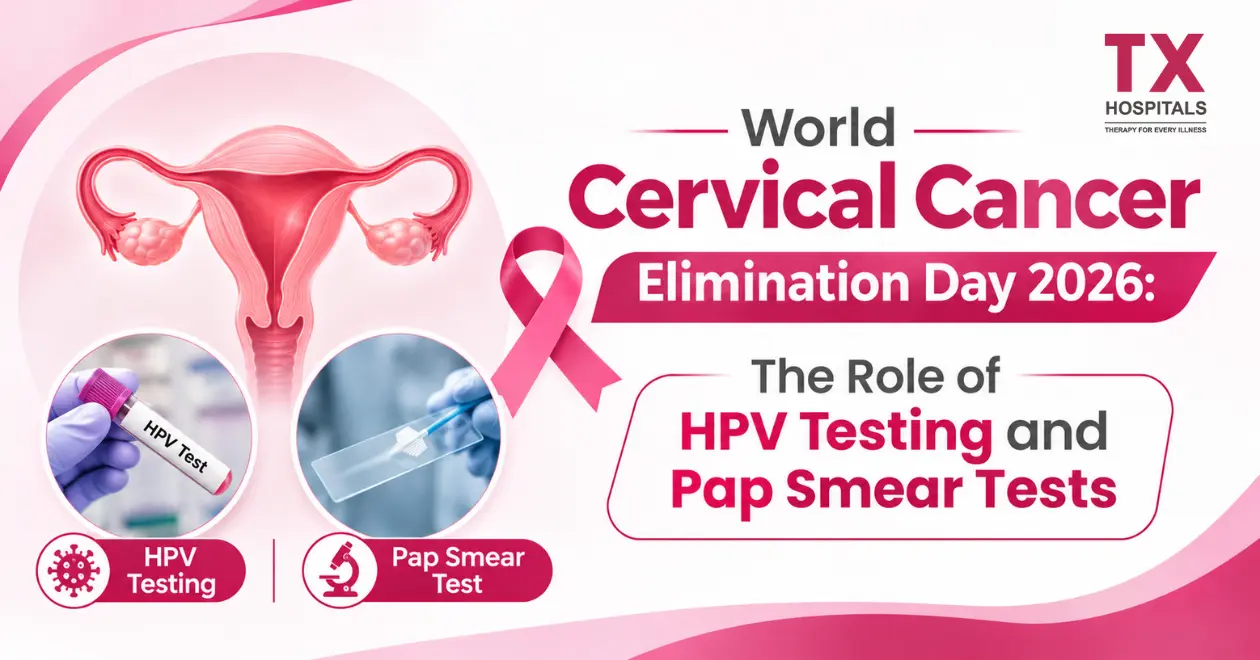
World Cervical Cancer Elimination Day: The Role of HPV Testing and Pap Smear Tests
Cervical cancer can develop slowly over several years, and early changes in the cervix may not cause noticeable symptoms. This means a woman may feel healthy even when abnormal cells begin to develop. Regular cervical cancer screening can help identify these changes early, sometimes before they turn into cancer.
World Cervical Cancer Elimination Day
raises awareness about preventing cervical cancer and improving access to vaccination, screening and timely medical care. One important step towards this goal is understanding two commonly used screening tests: the HPV test and the Pap smear test.
Both tests help identify changes linked to cervical cancer, but they work differently. Knowing what these tests check, when they may be recommended and why they matter can help women make informed decisions about their cervical health.
What is Cervical Cancer?
Cervical cancer develops in the cervix, the lower part of the uterus that connects to the vagina. Most cases are linked to a persistent infection with certain high-risk types of human papillomavirus (HPV).
HPV is a common virus that can spread through intimate skin-to-skin contact. Many HPV infections clear on their own, but some high-risk types may remain in the body and cause changes in cervical cells over time.
These changes do not always become cancer. However, if abnormal cells are not identified and managed when needed, some may eventually develop into cervical cancer.
This is why screening is important, even when a woman feels well and has no symptoms.
What is an HPV Test?
An HPV test checks for high-risk types of human papillomavirus that can cause changes in the cells of the cervix.
The test helps identify an infection that may increase the risk of developing cervical cancer in the future. It does not directly diagnose cervical cancer.
How is an HPV Test done?
During the test, a sample of cells is collected from the cervix using a small, soft brush or similar medical tool. The sample is then tested in a laboratory for high-risk HPV.
The procedure usually takes only a few minutes. Some women may experience mild discomfort, but it is generally well tolerated. Women looking for the best gynecology hospitals in Hyderabad can consult TX Hospitals for cervical health evaluation and guidance on recommended screening tests.
What does an HPV Test Result mean?
- Negative result: High-risk HPV was not detected in the sample. The risk of cervical cell changes is lower at that time.
- Positive result: High-risk HPV was detected. This does not mean the woman has cervical cancer. Further testing or follow-up may be recommended depending on the result and individual risk.
A positive HPV result should not cause unnecessary fear. HPV infections are common and many clear without causing serious problems. Following the recommended screening and follow-up plan is important.
What is a Pap Smear Test?
A Pap smear, also called a Pap test, checks for abnormal cells in the cervix. These changes may be linked to HPV infection and, in some cases, may develop into cervical cancer if left unmanaged.
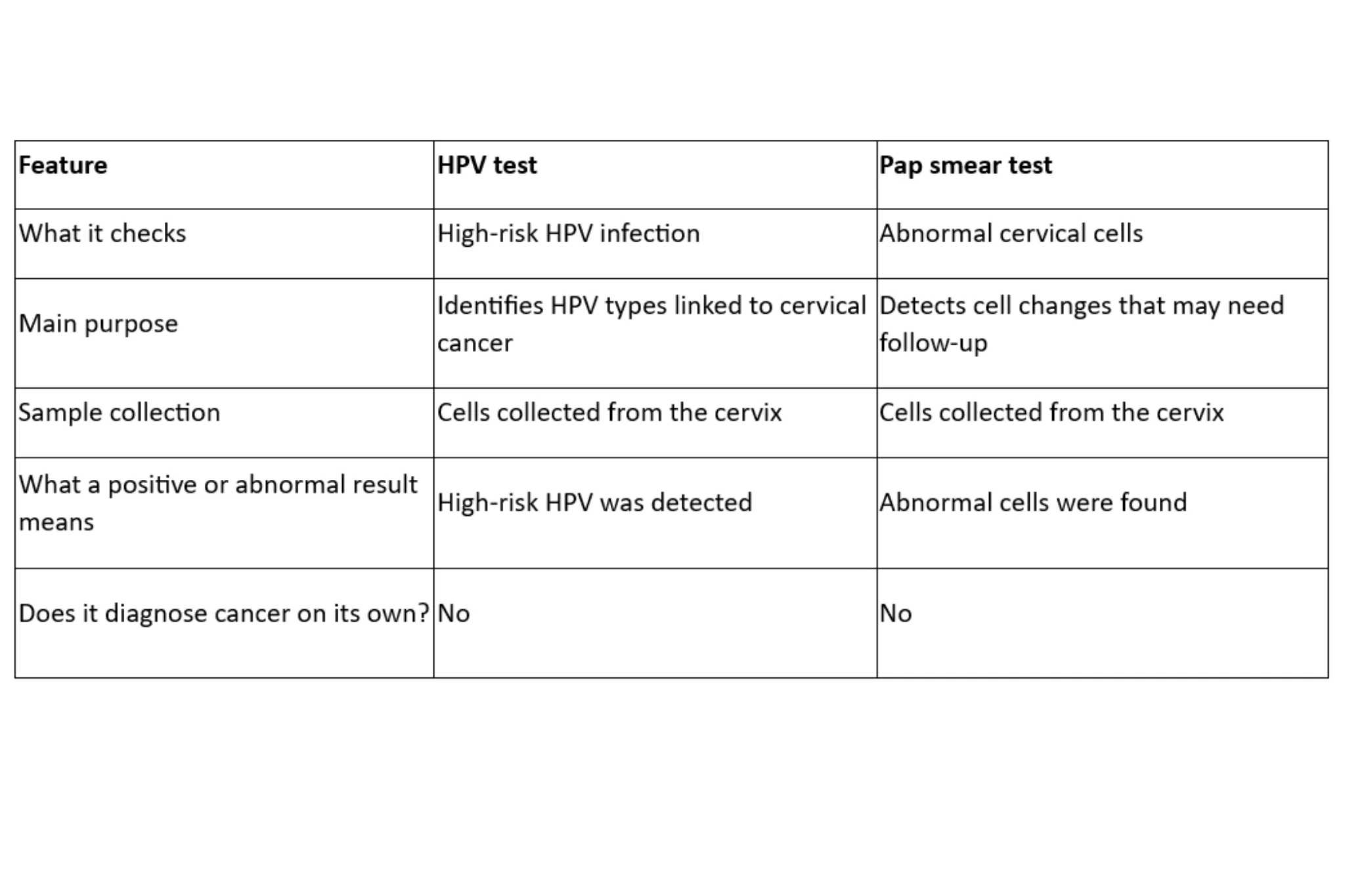
Unlike an HPV test, which looks for high-risk virus types, a Pap smear examines cervical cells for abnormalities.
How is a Pap Smear done?
During the procedure, a trained medical professional gently inserts a speculum into the vagina to view the cervix. A small brush or spatula is then used to collect cells from the cervical surface.
The sample is sent to a laboratory for examination. The procedure is usually brief, although some women may feel mild pressure or discomfort.
What Do Pap Smear results mean?
- Normal result: No abnormal cervical cells were found in the sample.
- Abnormal result: Changes in cervical cells were detected. These changes do not automatically mean cancer is present.Both tests help reduce the risk of cervical cancer by identifying potential problems early, but they look for different things.
 Depending on the findings, further evaluation may include an HPV test, repeat screening or a colposcopy. A colposcopy allows the cervix to be examined more closely and a biopsy may be taken if needed.
HPV Test vs Pap Smear: What is the Difference?
In some screening programmes, both tests may be performed together. This is called co-testing. The appropriate method depends on factors such as age, medical history, previous screening results and local recommendations.
Who should consider Cervical Cancer screening?
Screening recommendations can vary depending on the country, age and individual medical history. Women should follow the screening schedule recommended for them rather than waiting for symptoms to appear.
Screening may be particularly important for women who:
- Have reached the recommended age for cervical cancer screening.
- Have never undergone cervical cancer screening.
- Are overdue for a screening test.
- Have previously had abnormal cervical screening results.
- Have certain conditions or treatments that affect the immune system.
Women who have received the HPV vaccine may still need cervical cancer screening because the vaccine does not protect against every high-risk HPV type.
The right test and screening interval should be discussed based on individual circumstances.
Why is Regular Cervical Cancer screening important?
Cervical cancer screening can identify high-risk HPV infections or abnormal cervical cells before cancer develops. This creates an opportunity for closer monitoring and treatment when necessary.
Regular screening is important because:
- Early changes may not cause symptoms: Screening can identify problems before noticeable signs appear.
- Abnormal cells can be managed: Appropriate follow-up may help prevent some precancerous changes from progressing.
- It supports early diagnosis: When cervical cancer develops, finding it early can improve the chances of successful treatment.
- It helps guide further care: Test results can show whether repeat testing or additional evaluation is needed.
One normal screening result does not remove the need for future tests. Following the recommended schedule remains important.
What symptoms should Women never ignore?
Cervical cancer may not cause symptoms in its early stages. However, certain changes should be evaluated rather than ignored.
These include:
- Bleeding after sexual intercourse.
- Bleeding between menstrual periods.
- Bleeding after menopause.
- Unusual vaginal discharge, especially if it has an unpleasant smell.
- Pelvic pain or pain during sexual intercourse.
These symptoms may have other causes but should not be ignored. If you notice any of them, consult the top gynecologists in Hyderabad at TX Hospitals for timely evaluation and care.
Can Cervical Cancer be prevented?
Although not every case can be prevented, several steps can help reduce the risk of cervical cancer.
- Get the HPV vaccine: Vaccination protects against important HPV types associated with cervical cancer. It works best when given before exposure to the virus.
- Stay up to date with screening: Follow the recommended schedule for HPV testing, Pap smears or other approved screening methods.
- Complete follow-up testing: Do not ignore an abnormal result or miss recommended appointments.
- Avoid smoking: Smoking is associated with a higher risk of cervical cell changes and cervical cancer.
- Seek medical advice for unusual symptoms: Do not rely on routine screening alone when symptoms appear.
HPV vaccination and regular screening work together to support cervical cancer prevention.
Take a step towards better Cervical Health
World Cervical Cancer Elimination Day reminds us that awareness, HPV vaccination and regular screening are important steps towards reducing cervical cancer. HPV testing helps identify high-risk infections, while Pap smear tests look for abnormal cervical cells that may need further evaluation.
Neither test should be a reason for fear or embarrassment. Understanding the purpose of screening and following the recommended schedule can help women take better care of their health.
Early screening, timely follow-up and informed decisions can make a meaningful difference in preventing cervical cancer.
Frequently Asked Questions
Disclaimer
The information provided in this blog is for general health awareness and educational purposes only. It should not be considered a substitute for professional medical advice, diagnosis or treatment. The content may not apply to every individual's health condition. Always consult a qualified healthcare professional for any medical concerns or treatment decisions. Do not ignore or delay medical advice based on the information shared in this blog.
Share this






Book Appointment
Categories
- Health Care
- Mother & Child
- Pediatric
- Health Days
- Urology
- Dental
- Gastroenterology
- Neurology
- Gynecology
- Orthopedics
- Cardiology
- Oncology
- Robotic Sciences
- Nephrology
- Rheumatology
- Pulmonology
- Cardiothoracic & Vascular Surgery
- Internal Medicine
- General Medicine
- Gastroeneterology
- Endocrinology
- Dermatology
- Pediatric Urologist
- Ophthalmology
- Gynecologist
- Ophthalmologist
- Ent
- Psychiatry
- Pediatrician
- Health Day
- Orthopaedics
- Spine Surgery
- General Physician
- Awarness Day
- Liver Transplantation Surgery
- Robotic Gastrointestinal (GI) Surgery
- Cardiac Sciences
- internal medicine
- General Surgeries
- Health care
- ENT
- cardiothoracic & vascular surgery
- Pediatric Neurologist
- Gastroenterologist
- Gynecology Hospitals
- oncology
- Trauma Surgeons
- Neuro Sciences
- Internal Madicine
- cardiac sciences
- Genecology
- Dietician
- Diabetology