International Infection Prevention Week 2026: Simple Steps to Prevent the Spread of Infections
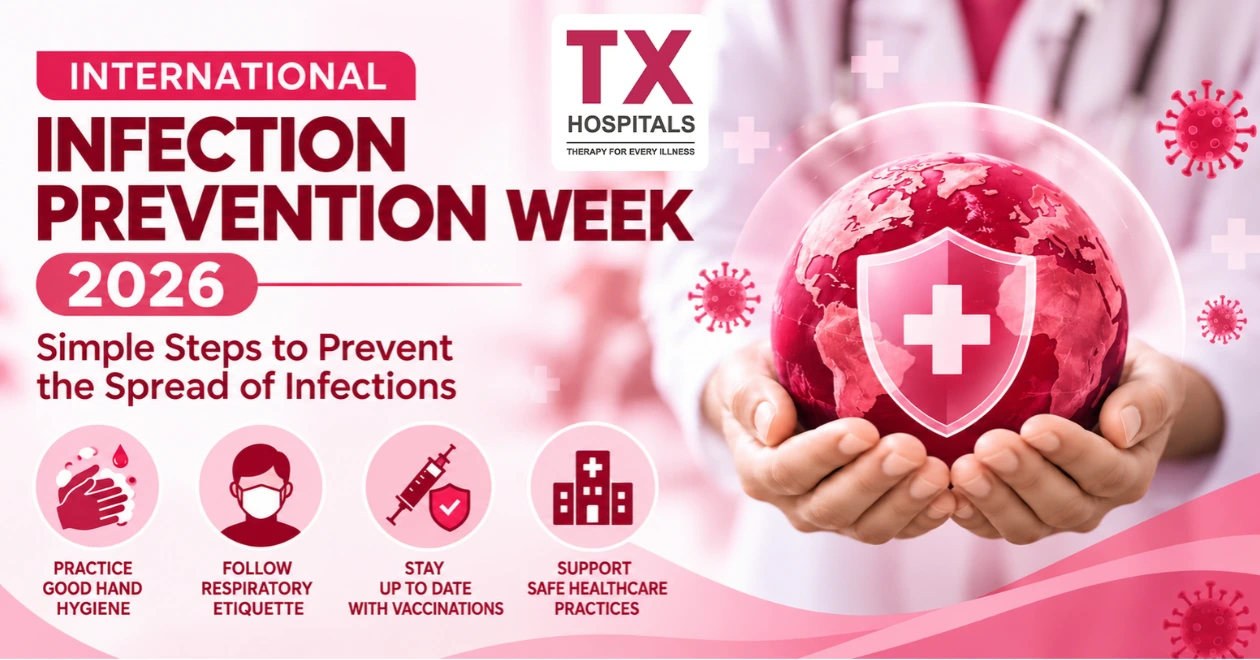
We come into contact with germs every day, whether we are travelling, working, attending school or spending time with family. Most of the time, we don't even realise how easily infections can spread through our hands, shared surfaces, food or close contact with someone who is sick.
Observed from October 19 to 25, International Infection Prevention Week (IIPW) 2026 reminds us that preventing infections is everyone's responsibility.
This year's theme, "Generations of Infection Prevention | Past. Present. Protected.", highlights how infection prevention has improved over the years and how the lessons learned from the past continue to protect people today.
From basic handwashing practices to modern vaccination programmes and safer hospital procedures, infection prevention has come a long way. However, everyday habits still play an important role in protecting ourselves and those around us.
What Is International Infection Prevention Week and Why Is It Important?
International Infection Prevention Week is an annual awareness campaign that highlights the importance of preventing infections in hospitals, homes, schools, workplaces and communities.
It also recognises healthcare professionals who work to reduce infections and improve patient safety.
Infections can spread quickly, especially in places where people spend time together. While some infections cause mild illness, others can lead to serious complications, particularly in young children, older adults and people with weakened immune systems.
The purpose of this awareness week is to encourage people to follow simple hygiene practices, understand how infections spread and take steps to reduce their risk.
International Infection Prevention Week 2026 Theme: Generations of Infection Prevention
The theme for International Infection Prevention Week 2026, "Generations of Infection Prevention | Past. Present. Protected.", focuses on the progress made in infection prevention over generations.
In the past, many infections were difficult to control because people had limited knowledge about germs and how diseases spread.
Over time, medical discoveries and improvements in hygiene, vaccination, sterilisation and infection control have helped make healthcare safer.
Today, infection prevention includes regular hand hygiene, safe medical procedures, appropriate use of protective equipment and measures to reduce infections in healthcare settings.
The theme reminds us that the knowledge gained by previous generations helps protect people today, while continued awareness and responsible practices can help keep future generations safer.
How Do Infections Spread from One Person to Another?
Infections happen when harmful microorganisms, such as bacteria, viruses, fungi or parasites, enter the body and cause illness.
Depending on the type of infection, germs can spread in different ways.
Common ways include:
- Direct Contact: Touching or having close contact with an infected person.
- Respiratory Droplets and Airborne Spread: Breathing in infectious particles released when someone coughs, sneezes, talks or breathes.
- Contaminated Surfaces: Touching objects that carry germs and then touching your eyes, nose or mouth.
- Food and Water: Eating contaminated food or drinking unsafe water.
- Blood and Body Fluids: Contact with infected blood or other body fluids through certain types of exposure.
- Insect Bites: Some infections spread through mosquitoes and other insects.
Knowing how infections spread can help you stay safe. If you notice any symptoms, visit TX Hospitals, one of the best general medicine hospitals in Hyderabad, for proper care and treatment.
8 Simple steps to prevent the spread of infections
Preventing infections doesn't always require complicated measures. Small changes in your daily routine can make a difference.
1. Wash Your Hands Regularly
Think about how many things you touch throughout the day, including your phone, door handles, money and shared office equipment.
Germs can easily move from these surfaces to your hands.
Washing your hands with soap and water for at least 20 seconds helps remove germs and reduces the risk of spreading infections.
Make sure to wash your hands:
- Before preparing or eating food
- After using the toilet
- After coughing, sneezing or blowing your nose
- After touching garbage
- Before and after caring for someone who is sick
When soap and water are unavailable, use a hand sanitiser containing at least 60% alcohol.
2. Cover Your Mouth When Coughing or Sneezing
A cough or sneeze can release infectious respiratory particles into the surrounding air.
To reduce the spread of respiratory infections, cover your mouth and nose with a tissue whenever you cough or sneeze.
Throw the used tissue into a dustbin immediately and wash your hands afterwards.
If you don't have a tissue, cough or sneeze into your elbow instead of your hands.
3. Keep Frequently Touched Surfaces Clean
Germs can remain on objects and surfaces that people touch regularly.
Items such as mobile phones, keyboards, door handles, light switches and kitchen counters should be cleaned regularly.
Pay extra attention to shared spaces, especially when someone at home or work is sick.
Regular cleaning helps reduce the number of germs on surfaces and lowers the chances of certain infections spreading.
4. Stay Up to Date with Recommended Vaccinations
Vaccines help protect against several infectious diseases and can reduce the risk of serious illness.
Children and adults may need different vaccinations depending on their age, medical history and other risk factors.
Speak to your doctor about the vaccinations recommended for you and your family.
Keeping vaccinations up to date is an important part of infection prevention.
5. Avoid Close Contact When You Are Sick
If you have a fever, cough, sore throat or other symptoms of a contagious illness, try to avoid close contact with others.
Stay home when possible and allow yourself time to recover.
You should also:
- Avoid sharing personal items
- Wash your hands frequently
- Wear a well-fitting mask when appropriate
- Keep indoor spaces well ventilated
These precautions can help protect family members, colleagues and others around you.
6. Follow Safe Food and Drinking Water Practices
Foodborne infections can occur when food is prepared, stored or handled improperly.
Following a few simple habits while preparing food can help prevent infections.
These include:
- Washing your hands before preparing food
- Washing fruits and vegetables before eating or cooking
- Making sure meat, fish and eggs are cooked properly
- Keeping raw foods away from cooked foods
- Refrigerating perishable foods promptly
- Drinking safe, clean water
Paying attention to food hygiene is particularly important when preparing meals for children, older adults and people with weakened immunity.
7. Take Care of Cuts and Wounds
Even a small cut or scrape can become infected if germs enter through damaged skin.
Clean minor wounds with running water and keep them covered with a clean dressing when needed.
Avoid touching wounds with unwashed hands.
If you notice increasing redness, swelling, warmth, pus or worsening pain, consult a doctor.
Proper wound care can help reduce the risk of skin and wound infections.
8. Avoid Taking Antibiotics Without Medical Advice
Many people take antibiotics whenever they develop a fever, cold or sore throat.
However, antibiotics work against certain bacterial infections and do not treat viral illnesses such as the common cold.
Taking antibiotics unnecessarily can contribute to antibiotic resistance, making some bacterial infections harder to treat.
Always use antibiotics only when prescribed and follow your doctor's instructions regarding the dose and duration.
Why is infection prevention important in Hospitals?
Hospitals care for patients with different medical conditions, including those who may have weakened immune systems or require surgery and other procedures.
Some patients may be more vulnerable to infections during their hospital stay.
These are known as healthcare-associated infections (HAIs) when they develop while receiving healthcare and were not present or incubating at the time care began.
Hospitals take several steps to prevent infections and keep patients safe.
These include:
- Making sure doctors and staff wash or sanitise their hands regularly
- Cleaning and disinfecting medical equipment after use
- Properly sterilising surgical instruments
- Using gloves, masks and other protective gear when needed
- Following safe injection practices and disposing of medical waste properly
- Regularly checking for infections and taking steps to prevent them
Following hospital hygiene guidelines and reporting any signs of infection can help keep everyone safe. For infection-related concerns, consult the top general physicians in Hyderabad at TX Hospitals for proper diagnosis and treatment.
Who needs extra protection against infections?
Although infections can affect anyone, some people are more likely to develop serious complications.
People who may be at higher risk include:
- Babies and young children
- Elderly people
- Pregnant women
- People with diabetes or long-term health problems
- People receiving cancer treatment
- Those with weak immune systems
- People recovering from major surgery
For these people, taking extra care to avoid infections and getting medical help when needed is especially important.
When should you see a Doctor for an infection?
Many mild infections improve with appropriate care, but some symptoms need medical attention.
Consult a doctor if you experience:
- Fever that persists or keeps returning
- Symptoms that become worse instead of improving
- Persistent vomiting or diarrhoea
- Increasing redness, swelling or pus around a wound
- Unusual weakness or signs of dehydration
- Symptoms of infection when you have a weakened immune system
Seek emergency medical care for severe breathing difficulty, confusion, chest pain or other signs of serious illness.
Early medical evaluation can help identify the cause of an infection and determine whether treatment is needed.
Small Hygiene habits can help protect every generation
International Infection Prevention Week 2026 reminds us that simple everyday habits can make a big difference in preventing infections.
Washing your hands regularly, keeping your surroundings clean, getting recommended vaccinations and avoiding close contact when sick can help reduce the spread of infections.
This year's theme, "Generations of Infection Prevention | Past. Present. Protected.", highlights the importance of continuing these healthy habits to protect ourselves and future generations.
If you notice symptoms of an infection, don't ignore them. At TX Hospitals, our general medicine team can help identify the cause and recommend the right treatment.
To book an appointment, call 9144514459.
Frequently Asked Questions
Disclaimer
The information provided in this blog is for general health awareness and educational purposes only. It should not be considered a substitute for professional medical advice, diagnosis or treatment. The content may not apply to every individual's health condition. Always consult a qualified healthcare professional for any medical concerns or treatment decisions. Do not ignore or delay medical advice based on the information shared in this blog.
Share this






Book Appointment
Categories
- Health Care
- Mother & Child
- Pediatric
- Health Days
- Urology
- Dental
- Gastroenterology
- Neurology
- Gynecology
- Orthopedics
- Cardiology
- Oncology
- Robotic Sciences
- Nephrology
- Rheumatology
- Pulmonology
- Cardiothoracic & Vascular Surgery
- Internal Medicine
- General Medicine
- Gastroeneterology
- Endocrinology
- Dermatology
- Psychiatry
- Pediatric Urologist
- Ophthalmology
- Gynecologist
- Ophthalmologist
- Ent
- Pediatrician
- Health Day
- Orthopaedics
- Spine Surgery
- General Physician
- Health Awareness
- Awarness Day
- Liver Transplantation Surgery
- Robotic Gastrointestinal (GI) Surgery
- Cardiac Sciences
- internal medicine
- ENT
- General Surgeries
- Vascular Specialist
- Health care
- cardiothoracic & vascular surgery
- Pediatric Neurologist
- Gastroenterologist
- Gynecology Hospitals
- oncology
- Trauma Surgeons
- Neuro Sciences
- Internal Madicine
- cardiac sciences
- Genecology
- Dietician
- Diabetology
- Kidney Transplant Surgery