National Epilepsy Day 2026 : How to Recognise and Respond to an Epileptic Seizure
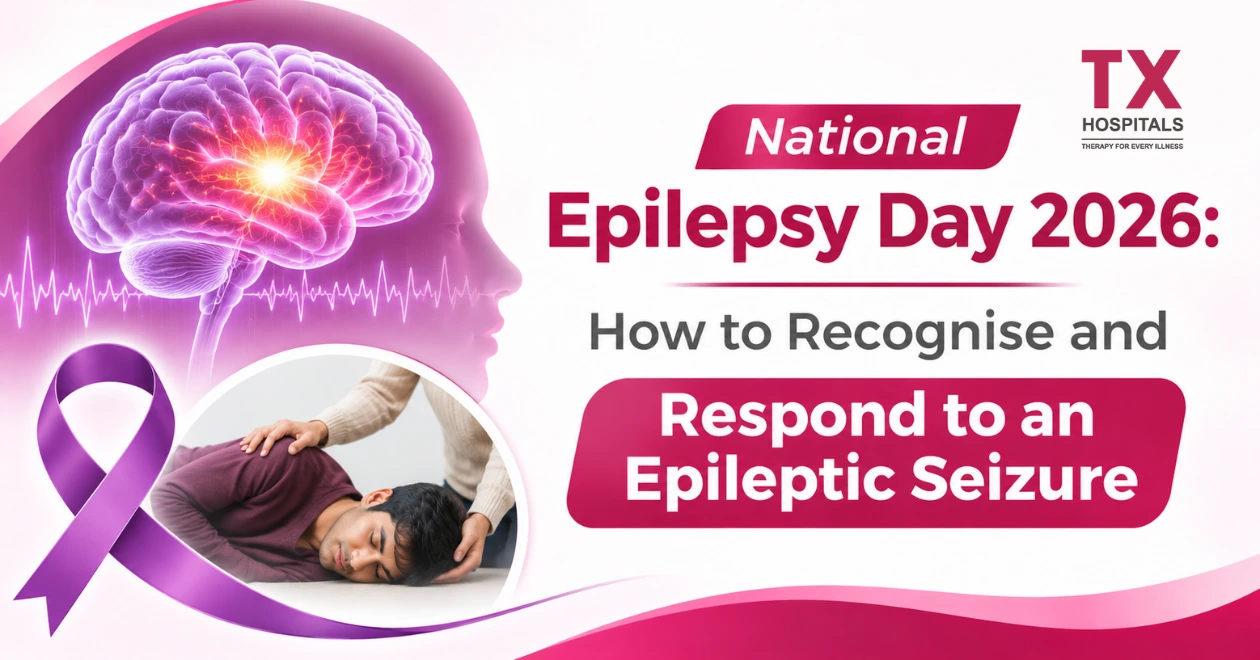
Imagine someone suddenly falling to the ground, losing awareness or experiencing uncontrolled body movements. Such an episode can be frightening to witness, especially when you do not know what is happening or how to help.
These symptoms may be signs of an epileptic seizure. Epilepsy is a neurological condition that affects the brain and can cause repeated seizures. However, not every seizure looks the same. Some may involve visible body movements, while others may cause a brief loss of awareness or unusual sensations.
National Epilepsy Day is observed in India on November 17 every year to spread awareness about epilepsy, its symptoms and the importance of timely diagnosis and care. Knowing how to recognise a seizure and respond safely can help protect someone during an episode.
What Is Epilepsy?
Epilepsy is a neurological condition in which a person has a tendency to experience repeated seizures that are not caused by an immediate, temporary problem such as low blood sugar or a high fever.
The brain works through electrical signals that control movement, thoughts, memory and other body functions. During a seizure, there is a sudden change in the brain's electrical activity. This can temporarily affect how a person moves, behaves, feels or responds to their surroundings.
Epilepsy can affect people of any age. With proper diagnosis, treatment and regular follow-up, many people with epilepsy can manage their condition and lead active lives.
How to Recognise an Epileptic Seizure?
Seizures can affect people in different ways depending on which part of the brain is involved. Some symptoms are easy to notice, while others may be less obvious.
Common signs of an epileptic seizure include:
- Sudden loss of awareness or consciousness.
- Uncontrolled shaking or jerking movements.
- Staring into space and not responding.
- Sudden confusion or unusual behaviour.
- Stiffening of the body or muscles.
- Repeated movements such as lip-smacking or hand rubbing.
- Unusual sensations, smells or feelings.
- Temporary difficulty speaking or responding.
Seizures can last for different periods and may cause tiredness or confusion afterwards. Consult the best neurology specialists in Hyderabad at TX Hospitals for timely evaluation and treatment.
What Should You Do When Someone Has a Seizure?
Seeing someone have a seizure can be frightening, but staying calm and following basic first-aid steps can help prevent injuries.
Here is what you should do:
1. Stay Calm and Stay With the Person
Do not panic or leave the person alone. Stay nearby and observe what happens during the seizure.
2. Protect Them from Injury
Move nearby furniture, sharp objects or other items that could cause harm. If the person is falling, help them reach a safe place if possible.
3. Place Something Soft Under Their Head
Use a folded jacket, towel or another soft item to protect their head from injury.
4. Loosen Tight Clothing Around the Neck
Loosen tight collars, scarves or other clothing around the neck to make breathing more comfortable.
5. Turn Them on Their Side When Possible
When the jerking movements stop, gently turn the person onto their side. This helps keep the airway clear and allows saliva or fluids to drain from the mouth.
6. Note How Long the Seizure Lasts
Check the time when the seizure begins and how long it continues. This information can be helpful during medical evaluation.
7. Stay Until They Recover
The person may feel confused, tired or sleepy after the seizure. Reassure them and allow them time to recover.
What Should You Avoid During a Seizure?
Some common reactions can accidentally cause harm. It is important to know what not to do when someone has a seizure.
Avoid these actions:
- Do not hold the person down or try to stop their movements.
- Do not put fingers, spoons, cloth or any object inside their mouth.
- Do not try to force their mouth open.
- Do not give food, water or medicines until they are fully alert.
- Do not crowd around them or create unnecessary panic.
- Do not attempt to move them unless they are in immediate danger.
A person cannot swallow their tongue during a seizure. Putting something inside their mouth can cause injury or block their breathing.
When Is a Seizure a Medical Emergency?
Most seizures stop on their own within a short time. However, some situations need immediate medical attention.
Call emergency services if:
- The seizure lasts for five minutes or longer.
- Another seizure begins before the person fully recovers.
- The person has difficulty breathing or does not wake up after the seizure.
- The person gets injured during the episode.
- It is their first known seizure.
- The seizure happens in water.
- The person is pregnant or has another serious health condition.
A seizure lasting five minutes or longer or repeated seizures without recovery in between, may indicate a medical emergency called status epilepticus.
What Causes Epilepsy?
In many cases, the exact cause of epilepsy may not be identified. However, certain conditions and factors can increase the risk.
These may include:
- Genetic factors.
- Brain injuries caused by accidents or falls.
- Stroke or other conditions affecting the brain.
- Brain infections such as meningitis or encephalitis.
- Brain tumours or structural changes.
- Complications affecting the brain before or around birth.
It is important to remember that epilepsy is not contagious. A person cannot develop epilepsy by touching, sitting near or spending time with someone who has the condition.
How Is Epilepsy Diagnosed?
A seizure-like episode does not always mean a person has epilepsy. Medical evaluation helps identify the cause and determine whether further testing is needed.
Common tests may include:
- Electroencephalogram (EEG): Records the brain's electrical activity and can help identify patterns linked to seizures.
- MRI scan: Provides detailed images of the brain to check for structural changes.
- CT scan: Helps identify certain brain injuries or abnormalities.
- Blood tests: May help identify infections, low blood sugar or other conditions that could cause seizures.
Doctors may also ask about the seizure and what happened before and after it. TX Hospitals, one of the top neurology hospitals in Hyderabad, provides expert care for epilepsy diagnosis and treatment.
Can Epilepsy Be Managed?
Yes. Many people with epilepsy can manage their seizures with the right care and regular follow-up.
Treatment depends on the type of seizures, their frequency, the person's age and overall health. It may include:
- Anti-seizure medicines to help prevent or reduce seizures.
- Regular follow-up to monitor how well the treatment is working.
- Specialised treatment for people whose seizures do not respond to medicines.
- Lifestyle guidance to support overall health and reduce possible seizure triggers.
People with epilepsy should take prescribed medicines regularly and should not stop or change their dosage without medical advice.
How Can People with Epilepsy Stay Safe in Daily Life?
Along with medical care, certain daily habits can help people manage epilepsy and reduce the risk of injuries.
- Take prescribed medicines on time.
- Get enough sleep and maintain a regular sleep routine.
- Avoid skipping meals.
- Identify and avoid personal seizure triggers where possible.
- Limit alcohol or avoid it if advised.
- Inform family members, friends or colleagues about what to do during a seizure.
- Follow safety precautions while swimming, cooking or working at heights.
Keeping a record of seizure episodes can also help identify patterns and support follow-up care.
Recognise the Signs. Respond with Care.
Epilepsy can affect people in different ways and knowing what a seizure looks like is an important step towards helping someone safely. Staying calm, protecting the person from injury and knowing when to seek emergency help can make a real difference.
National Epilepsy Day reminds us that awareness and understanding can help reduce fear and stigma around the condition. With timely diagnosis, appropriate treatment and support, people living with epilepsy can manage their condition and continue with their daily activities.
Frequently Asked Questions
Disclaimer
The information provided in this blog is for general health awareness and educational purposes only. It should not be considered a substitute for professional medical advice, diagnosis or treatment. The content may not apply to every individual's health condition. Always consult a qualified healthcare professional for any medical concerns or treatment decisions. Do not ignore or delay medical advice based on the information shared in this blog.
Share this






Book Appointment
Categories
- Health Care
- Mother & Child
- Pediatric
- Health Days
- Urology
- Dental
- Gastroenterology
- Neurology
- Gynecology
- Orthopedics
- Cardiology
- Oncology
- Robotic Sciences
- Nephrology
- Rheumatology
- Orthopaedics
- Pulmonology
- Internal Medicine
- General Medicine
- Gastroeneterology
- Endocrinology
- Dermatology
- Pediatric Urologist
- Ophthalmology
- Gynecologist
- Ophthalmologist
- Ent
- Psychiatry
- Pediatrician
- Health Day
- General Physician
- Awarness Day
- Liver Transplantation Surgery
- internal medicine
- General Surgeries
- Health care
- ENT
- cardiothoracic & vascular surgery
- Pediatric Neurologist
- Gastroenterologist
- Gynecology Hospitals
- oncology
- Trauma Surgeons
- Neuro Sciences
- Internal Madicine
- cardiac sciences
- Genecology
- Dietician
- Diabetology