PCOS Awareness Month: understanding how PMOS can affect Women’s Health
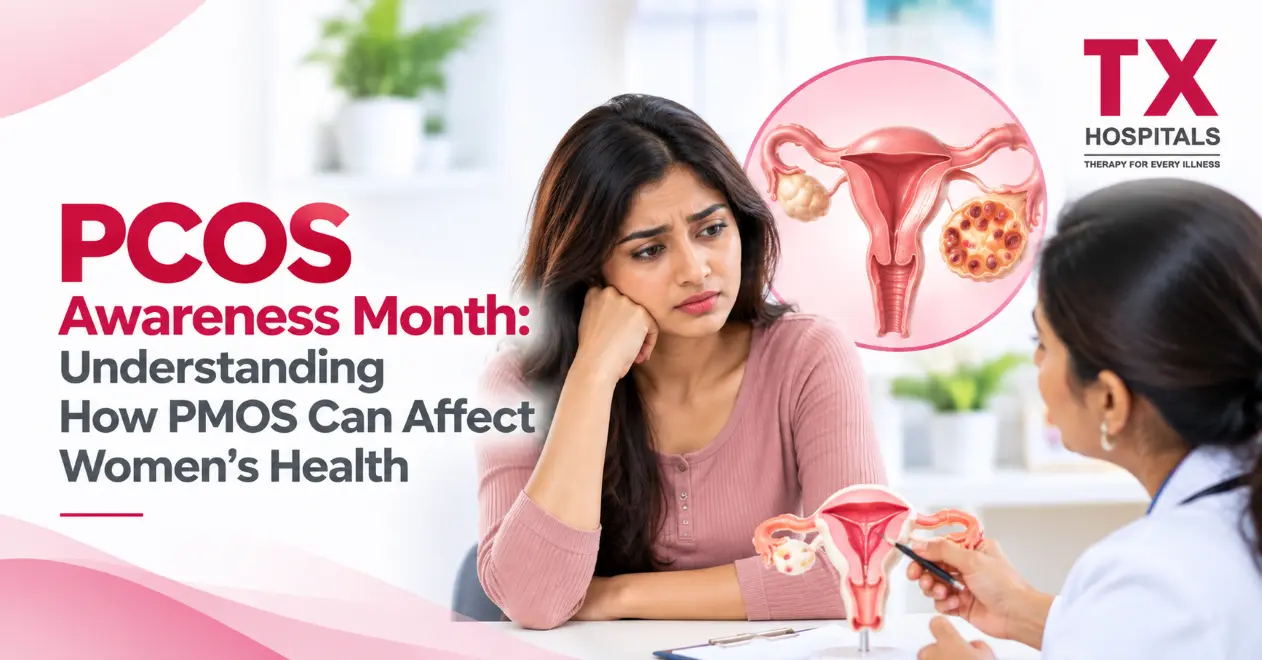
Every September, PCOS Awareness Month helps bring attention to one of the most common hormonal conditions affecting women of reproductive age. In 2026, there is an important change in how we talk about this condition.
Polycystic Ovary Syndrome (PCOS) is now called Polyendocrine Metabolic Ovarian Syndrome (PMOS). The new name was introduced in May 2026 following a global consensus process involving healthcare professionals, researchers, professional organisations and women living with the condition.
The change reflects a better understanding that PMOS is not simply about ovarian “cysts.” It is a complex condition involving hormonal, metabolic and reproductive health.
What is PMOS?
PMOS is a hormonal and metabolic condition that can affect women during their reproductive years. It can affect the menstrual cycle, ovulation, hormone levels, skin, hair, weight and the way the body responds to insulin.
The symptoms can be different from one woman to another. Some may have several noticeable symptoms, while others may have only a few or may not realise that their symptoms are connected.
The new name, PMOS, is intended to give a clearer picture of this wider impact.
Why was PCOS renamed PMOS?
The earlier name, Polycystic Ovary Syndrome, often made people think that the condition was mainly about ovarian cysts.
However, PMOS is more complex than that. Not every woman with PMOS has polycystic-looking ovaries and ovarian cysts are not required for the diagnosis.
The new name highlights the polyendocrine, metabolic and ovarian aspects of the condition. The international name-change process involved patients, healthcare professionals and organisations from around the world.
Common signs of PMOS
PMOS does not look exactly the same in every woman. Some common signs may include:
- Irregular or unpredictable periods
- Difficulty with ovulation
- Excess facial or body hair
- Acne or oily skin
- Thinning hair or hair loss from the scalp
- Difficulty losing weight
- Darkening or thickening of the skin in some areas
- Difficulty becoming pregnant
Having one or more of these symptoms does not always mean PMOS. A proper evaluation at TX Hospitals, one of the best gynecology hospitals in Hyderabad, can help identify the exact cause.
How can PMOS affect Women’s Health?
1. Menstrual Health
PMOS can affect ovulation and make periods irregular. Some women may skip periods, while others may have long gaps between periods.
Changes in the menstrual cycle should not always be brushed off as normal, especially when they continue for several months.
2. Hormonal Health
PMOS can be linked with higher levels or effects of androgens, sometimes called male hormones.
This can contribute to symptoms such as unwanted facial or body hair, acne and scalp hair thinning.
3. Metabolic Health
PMOS can also affect how the body uses insulin. Some women may have insulin resistance, which means the body does not respond to insulin as effectively as it should.
This can be associated with an increased risk of problems such as high blood sugar and type 2 diabetes.
4. Fertility
Irregular ovulation can make it harder for some women with PMOS to become pregnant.
However, having PMOS does not mean that pregnancy is impossible. Fertility can vary from person to person, and appropriate medical care can help address fertility concerns when needed.
5. Skin and Hair
Hormonal changes associated with PMOS may show up on the skin and hair.
Persistent acne, excess facial hair or noticeable scalp hair thinning can sometimes be signs that need further evaluation.
6. Long-Term Health
PMOS is not only about periods or fertility. It can also be linked with longer-term metabolic and cardiovascular health concerns.
This is why regular health checks and appropriate follow-up can be important for women living with PMOS.
How is PMOS Diagnosed?
There is no single test that confirms PMOS in every patient.
A doctor may assess menstrual history, symptoms of increased androgen activity, blood tests and ovarian features when appropriate. Other hormonal or medical conditions that may cause similar symptoms also need to be considered.
For women with ongoing menstrual or hormonal concerns, consulting the top gynecologists in Hyderabad at TX Hospitals can help ensure a thorough evaluation and the right diagnosis.
Importantly, having ovarian cysts is not required for a diagnosis. This was one of the major reasons experts supported changing the name from PCOS to PMOS.
Why PMOS awareness month matters
PMOS Awareness Month is an opportunity to improve understanding of a condition that extends far beyond ovarian cysts.
In 2026, the awareness campaign is also an important opportunity to introduce women to the new term Polyendocrine Metabolic Ovarian Syndrome and explain why the terminology has changed. The official awareness initiative is currently using PCOS/PMOS Awareness Month during this transition.
Recognising symptoms such as irregular periods, persistent acne, excessive hair growth or difficulty becoming pregnant can encourage women to seek medical advice earlier.
Take charge of your Hormonal health
PMOS, formerly known as PCOS, can affect menstrual cycles, fertility, metabolism, skin and emotional wellbeing. Understanding these connections is an important step towards earlier diagnosis and appropriate long-term care.
If you are experiencing irregular periods, hormonal symptoms or fertility concerns, TX Hospitals provides gynecology and women's health consultations for evaluation, diagnosis and personalised management.
TX Hospitals – Banjara Hills | Kachiguda | Uppal | Miyapur
📞 91445 14459
Book your consultation today.
Frequently Asked Questions
Disclaimer
The information provided in this blog is for general health awareness and educational purposes only. It should not be considered a substitute for professional medical advice, diagnosis or treatment. The content may not apply to every individual's health condition. Always consult a qualified healthcare professional for any medical concerns or treatment decisions. Do not ignore or delay medical advice based on the information shared in this blog.
Share this






Book Appointment
Categories
- Health Care
- Mother & Child
- Pediatric
- Health Days
- Urology
- Dental
- Gastroenterology
- Neurology
- Gynecology
- Orthopedics
- Cardiology
- Oncology
- Robotic Sciences
- Nephrology
- Rheumatology
- Pulmonology
- Cardiothoracic & Vascular Surgery
- Internal Medicine
- General Medicine
- Gastroeneterology
- Endocrinology
- Dermatology
- Psychiatry
- Pediatric Urologist
- Ophthalmology
- Gynecologist
- Ophthalmologist
- Ent
- Pediatrician
- Health Day
- Orthopaedics
- Spine Surgery
- General Physician
- Health Awareness
- Awarness Day
- Liver Transplantation Surgery
- Robotic Gastrointestinal (GI) Surgery
- Cardiac Sciences
- internal medicine
- ENT
- General Surgeries
- Vascular Specialist
- Health care
- cardiothoracic & vascular surgery
- Pediatric Neurologist
- Gastroenterologist
- Gynecology Hospitals
- oncology
- Trauma Surgeons
- Neuro Sciences
- Internal Madicine
- cardiac sciences
- Genecology
- Dietician
- Diabetology