Psoriasis Awareness Month: Lifestyle Factors That May Influence Flare-Ups
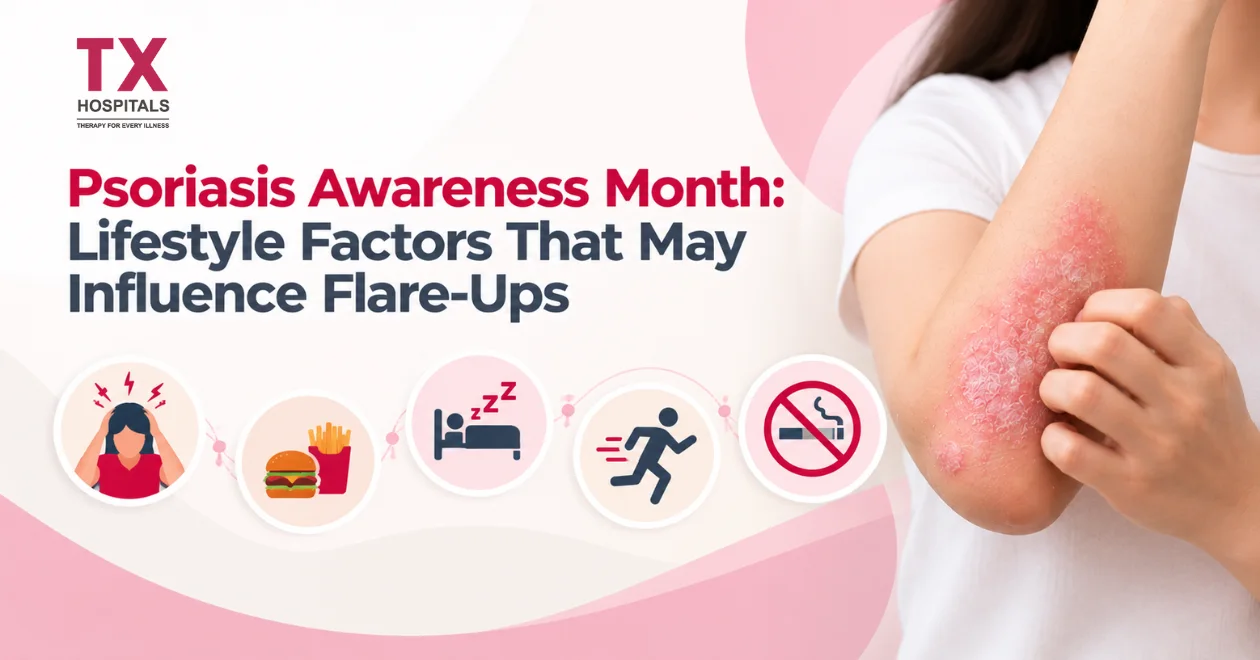
Psoriasis is a long-term skin condition that can cause red, itchy, and scaly patches on the skin. While it is linked to an overactive immune system and cannot be completely cured, certain lifestyle factors may influence how often symptoms appear or how severe flare-ups become.
During Psoriasis Awareness Month, it is a good time to understand these everyday triggers and learn simple ways to support healthier skin.
What Is Psoriasis?
Psoriasis is a chronic inflammatory skin condition in which skin cells build up faster than usual. This can lead to thick, dry, scaly patches, commonly affecting the elbows, knees, scalp and lower back.
Symptoms can come and go, with periods of improvement followed by flare-ups.
Lifestyle Factors That May Trigger Psoriasis Flare-Ups
Everyone with psoriasis has different triggers. However, some everyday habits and lifestyle factors may make symptoms worse.
1. Stress
Stress is a common trigger for psoriasis flare-ups. Emotional stress may affect the immune system and can worsen inflammation in the body.
Simple practices such as regular exercise, adequate sleep, meditation, breathing exercises or spending time on activities you enjoy may help manage stress.
2. Smoking
Smoking may increase inflammation and has been linked with a higher risk of developing psoriasis and more severe symptoms.
If you smoke, quitting can be an important step toward improving your overall health and potentially reducing psoriasis-related problems.
For persistent or worsening symptoms, you can consult the best skin specialists in Hyderabad at TX Hospitals for proper evaluation and personalised psoriasis care.
3. Alcohol
For some people, drinking alcohol may trigger or worsen psoriasis symptoms. Heavy alcohol consumption may also interfere with treatment and overall health.
If you notice that your symptoms become worse after drinking, consider discussing it with a doctor.
4. Lack of Sleep
Poor sleep can affect the body's ability to manage inflammation and may also increase stress. At the same time, itching caused by psoriasis can make it difficult to sleep, creating a cycle that can be hard to break.
Try to maintain a regular sleep schedule and create a comfortable, relaxing bedtime routine.
5. Diet and Eating Habits
There is no single diet that works for everyone with psoriasis. However, maintaining a balanced diet and a healthy weight may support overall health and help manage inflammation.
Include plenty of vegetables, fruits, whole grains, lean proteins and healthy fats. Limiting highly processed foods and excess sugar may also be beneficial.
If you are considering a specific psoriasis diet, speak with a dermatologist before making major dietary changes.
6. Skin Injuries and Irritation
Cuts, scratches, sunburn, insect bites or repeated skin irritation can sometimes cause psoriasis patches to appear at the site of injury. This is known as the Koebner phenomenon.
Protect your skin from unnecessary injury and avoid scratching affected areas.
7. Weather Changes
Cold, dry weather can make the skin dry and may worsen psoriasis symptoms for some people. Hot weather, sweating and humidity can also bother certain individuals.
Using a gentle moisturiser regularly can help keep the skin hydrated and reduce dryness.
8. Being Overweight
Excess body weight is associated with increased inflammation and may be linked to more severe psoriasis in some people.
If you are overweight, gradual and sustainable weight management through a balanced diet and regular physical activity may be helpful.
Can Lifestyle Changes Cure Psoriasis?

Lifestyle changes cannot cure psoriasis, but they may help reduce triggers and support better symptom control. Medical treatment remains an important part of managing the condition.
Depending on the severity and type of psoriasis, a dermatologist may recommend moisturisers, topical medicines, phototherapy, oral medicines or biologic treatments.
At TX Hospitals, one of the top dermatology hospitals in Hyderabad, patients can receive evaluation and treatment based on the severity, location and type of psoriasis.
When Should You See a Dermatologist?
See a dermatologist if:
- Psoriasis keeps coming back.
- The patches are spreading.
- You have a lot of itching or redness.
- Your skin is painful or cracked.
- It is affecting your sleep or daily life.
- You have joint pain or stiffness.
- Your symptoms are not improving with treatment.
Getting help early can make it easier to manage psoriasis and prevent symptoms from getting worse.
Take Charge of Your Psoriasis
Psoriasis is more than a skin problem, it can affect comfort, sleep, confidence, and everyday life. Understanding your personal triggers and maintaining healthy habits can be an important part of long-term management.
This Psoriasis Awareness Month, take the opportunity to pay attention to your skin, identify possible flare-up triggers and seek professional advice when needed. With the right treatment and lifestyle approach, psoriasis can be managed effectively.
Frequently Asked Questions
Disclaimer
The information provided in this blog is for general health awareness and educational purposes only. It should not be considered a substitute for professional medical advice, diagnosis or treatment. The content may not apply to every individual's health condition. Always consult a qualified healthcare professional for any medical concerns or treatment decisions. Do not ignore or delay medical advice based on the information shared in this blog.
Share this






Book Appointment
Categories
- Health Care
- Mother & Child
- Pediatric
- Health Days
- Urology
- Dental
- Gastroenterology
- Neurology
- Gynecology
- Orthopedics
- Cardiology
- Oncology
- Robotic Sciences
- Nephrology
- Rheumatology
- Pulmonology
- Internal Medicine
- General Medicine
- Gastroeneterology
- Endocrinology
- Dermatology
- Pediatric Urologist
- Ophthalmology
- Gynecologist
- Ophthalmologist
- Ent
- Psychiatry
- Pediatrician
- Health Day
- Orthopaedics
- Spine Surgery
- General Physician
- Awarness Day
- Liver Transplantation Surgery
- internal medicine
- General Surgeries
- Health care
- ENT
- cardiothoracic & vascular surgery
- Pediatric Neurologist
- Gastroenterologist
- Gynecology Hospitals
- oncology
- Trauma Surgeons
- Neuro Sciences
- Internal Madicine
- cardiac sciences
- Genecology
- Dietician
- Diabetology