Robotic Hysterectomy: When Is Robotic Uterus Removal Surgery Recommended?
Introduction:
A hysterectomy is a surgical procedure to remove the uterus. It may be recommended for women experiencing certain uterine conditions that cause ongoing pain, heavy bleeding or other health problems. With advances in medical technology, robotic hysterectomy has become another option for performing this surgery.
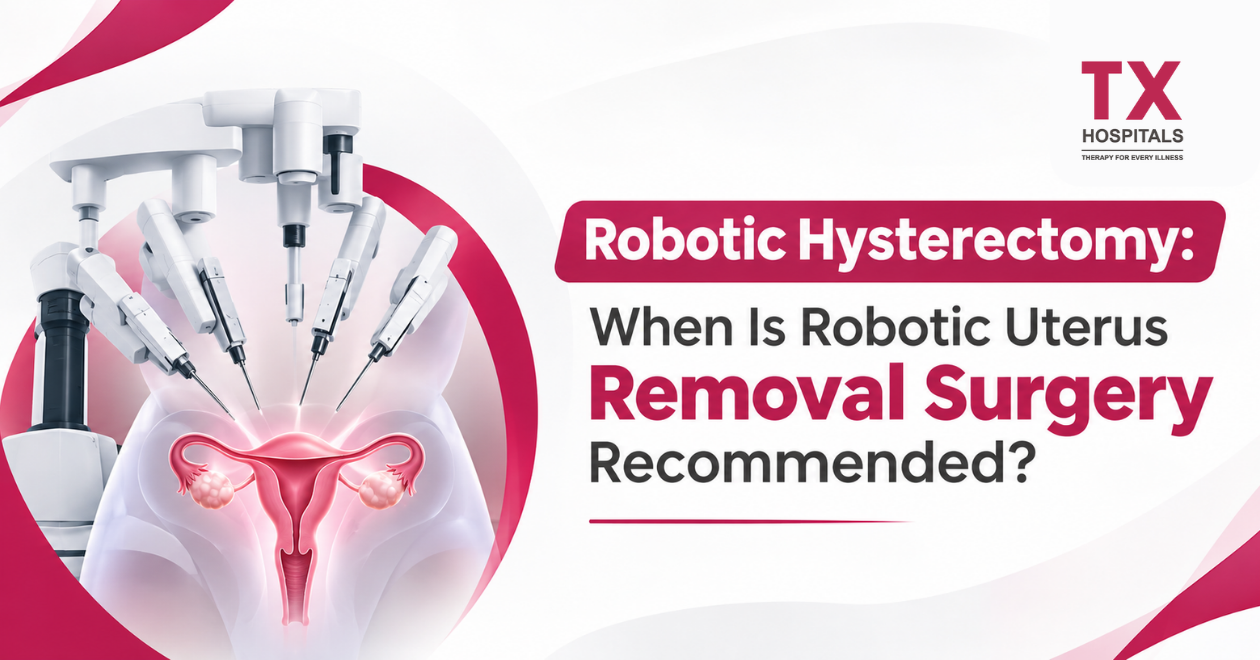
Robotic hysterectomy is a minimally invasive procedure in which a surgeon uses a robotic-assisted system to remove the uterus through small incisions. It allows the surgeon to control precise surgical instruments while viewing the operating area on a magnified screen.
But when is robotic uterus removal surgery needed? What conditions can it treat, and who may benefit from it? Understanding these details can help women make informed decisions about their treatment.
What Is Robotic Hysterectomy?
A robotic hysterectomy is a surgical procedure in which the uterus is removed using a surgeon-controlled robotic system.
The surgeon operates from a specialised console and controls robotic instruments inserted through small incisions in the abdomen. A magnified 3D camera provides a detailed view of the pelvic organs, helping the surgeon perform delicate surgical movements.
Depending on the medical condition, a hysterectomy may involve:
- Total hysterectomy: Removal of the uterus and cervix.
- Partial hysterectomy: Removal of the upper part of the uterus while keeping the cervix.
- Radical hysterectomy: Removal of the uterus, cervix and surrounding tissues in certain cancer-related cases.
The ovaries and fallopian tubes may also be removed if medically necessary, but they are not automatically removed during every hysterectomy.
It is important to remember that the surgeon controls the robotic system throughout the procedure. The robot does not perform the operation independently.
When Is Robotic Hysterectomy Recommended?
Robotic hysterectomy may be recommended when medicines or other treatments do not provide enough relief from certain uterine conditions.
Some common conditions that may require this surgery include:
1. Uterine Fibroids
Uterine fibroids are non-cancerous growths that develop in or around the uterus. Depending on their size and location, they can cause heavy menstrual bleeding, pelvic pressure, frequent urination and abdominal discomfort.
When fibroids cause persistent symptoms and other treatments are ineffective, hysterectomy may be considered. At TX Hospitals, a robotic gynecology hospital in Banjara Hills, experienced gynaecology specialists evaluate the condition and guide patients towards suitable treatment options, including robotic-assisted hysterectomy when appropriate.
2. Endometriosis
Endometriosis occurs when tissue similar to the lining of the uterus grows outside it. This can cause painful periods, pelvic pain and discomfort during intercourse.
In severe cases, when other treatments have not helped and symptoms continue, hysterectomy may be considered. However, it does not always cure endometriosis, especially when the condition affects areas outside the uterus.
3. Adenomyosis
Adenomyosis is a condition in which tissue similar to the uterine lining grows into the muscular wall of the uterus. It can cause heavy periods, severe cramps and an enlarged uterus.
When symptoms are severe and other treatments do not provide relief, robotic hysterectomy may be considered.
4. Uterine Prolapse
Uterine prolapse occurs when the uterus moves down into the vaginal canal due to weakened pelvic floor muscles and supporting tissues.
It can cause pelvic pressure, a feeling of heaviness, urinary problems and discomfort. In severe cases, hysterectomy may be recommended as part of the treatment.
5. Abnormal Uterine Bleeding
Some women experience heavy or irregular bleeding that affects their daily activities and overall health. This may happen due to fibroids, hormonal changes or other uterine conditions.
If medicines and other treatments do not control the bleeding, hysterectomy may be considered.
6. Uterine or Cervical Cancer
Certain cancers affecting the uterus or cervix may require hysterectomy as part of cancer treatment. The type of surgery depends on the cancer stage, its location and the woman's overall health.
Robotic surgery may be an option for selected patients based on their condition and treatment requirements.
What Are the Benefits of Robotic Hysterectomy?
Robotic hysterectomy is a minimally invasive surgical option that may offer several benefits compared with open surgery.
Some possible benefits include:
- Smaller incisions: The surgery is performed through small cuts rather than one large abdominal incision.
- Less blood loss: Minimally invasive techniques may help reduce blood loss during surgery.
- Less post-surgical discomfort: Smaller incisions may result in less pain after the procedure.
- Shorter hospital stay: Many women may return home sooner compared with open surgery.
- Faster recovery: Recovery may be quicker, allowing women to return to their regular activities earlier.
- Better surgical visibility: The magnified 3D view helps the surgeon see the operating area clearly.
The results and recovery time can vary depending on the patient's condition and the complexity of the surgery.
What Happens After Robotic Uterus Removal Surgery?
Recovery after robotic hysterectomy is generally quicker than after open surgery, but it can vary from person to person.
During the first few days, women may experience mild abdominal pain, tiredness, bloating or light vaginal bleeding.
Some simple precautions during recovery include:
- Get enough rest and avoid heavy physical activities.
- Start walking slowly as advised.
- Avoid lifting heavy objects until recovery is complete.
- Keep the incision areas clean and follow wound care instructions.
- Attend follow-up visits to check healing.
Most women can gradually return to their daily activities over the following weeks. The recovery period depends on the type of hysterectomy and the patient's overall health.
What Should Women Know Before Considering Robotic Hysterectomy?
Before undergoing robotic uterus removal surgery, women should understand a few important points:
- Hysterectomy permanently stops menstrual periods.
- Pregnancy is no longer possible after the uterus is removed.
- Removing the ovaries may cause immediate menopause if the woman has not already reached menopause.
- Robotic surgery may not be suitable for every patient.
- Other treatment options may be available depending on the condition.
A proper medical evaluation helps determine whether robotic hysterectomy is the right choice. At TX Hospitals, women can consult specialists, including the best robotic gynecologic surgeon in Banjara Hills, to understand their treatment options and receive guidance based on their individual health needs.
Who Is a Suitable Candidate for Robotic Hysterectomy?
Robotic hysterectomy may be considered for women who:
- Have uterine conditions causing severe or ongoing symptoms.
- Have not found relief through medicines or other treatments.
- Need surgical treatment for certain gynaecological conditions.
- Are suitable for minimally invasive surgery based on their medical condition.
The final decision depends on the patient's health, previous surgeries, condition severity and the surgeon's assessment.
Making an Informed Decision About Uterus Removal Surgery
Choosing to undergo a hysterectomy is an important decision that requires proper medical guidance. Understanding the underlying condition, available treatments and possible surgical outcomes can help women make informed choices about their health.
At TX Hospitals, patients can consult gynaecology specialists to discuss their symptoms, understand available treatment options and determine whether robotic-assisted or another surgical approach is appropriate for their condition.
The focus should always be on selecting the right treatment based on individual medical needs and long-term health.
Book an appointment at TX Hospitals: 9144514459
Frequently Asked Questions
Disclaimer
The information provided in this blog is for general health awareness and educational purposes only. It should not be considered a substitute for professional medical advice, diagnosis or treatment. The content may not apply to every individual's health condition. Always consult a qualified healthcare professional for any medical concerns or treatment decisions. Do not ignore or delay medical advice based on the information shared in this blog.
Share this






Book Appointment
Categories
- Health Care
- Mother & Child
- Pediatric
- Health Days
- Urology
- Dental
- Gastroenterology
- Neurology
- Gynecology
- Orthopedics
- Cardiology
- Oncology
- Robotic Sciences
- Nephrology
- Rheumatology
- Pulmonology
- Cardiothoracic & Vascular Surgery
- Internal Medicine
- General Medicine
- Gastroeneterology
- Endocrinology
- Dermatology
- Pediatric Urologist
- Ophthalmology
- Gynecologist
- Ophthalmologist
- Ent
- Psychiatry
- Pediatrician
- Health Day
- Orthopaedics
- Spine Surgery
- General Physician
- Awarness Day
- Liver Transplantation Surgery
- Robotic Gastrointestinal (GI) Surgery
- Cardiac Sciences
- internal medicine
- General Surgeries
- Health care
- ENT
- cardiothoracic & vascular surgery
- Pediatric Neurologist
- Gastroenterologist
- Gynecology Hospitals
- oncology
- Trauma Surgeons
- Neuro Sciences
- Internal Madicine
- cardiac sciences
- Genecology
- Dietician
- Diabetology