Best Treatment for Arrhythmia in Hyderabad, India
Looking for the Best Treatment for Arrhythmia in Hyderabad?
Get expert, evidence-based care designed to restore a healthy heart rhythm and protect your long-term heart health with confidence.
Book an Appointment
Get expert consultation today
What is Arrhythmia?
Arrhythmia refers to an abnormal heart rhythm caused by irregular electrical signals in the heart. The heart may beat too fast, too slow, or unevenly, affecting its ability to pump blood efficiently. Cardiac arrhythmias can occur at any age and may be temporary or chronic, depending on the underlying cause.
With comprehensive Cardiac Arrhythmia Treatment in Hyderabad, India at TX Hospitals, patients benefit from precise diagnosis, expert monitoring and long-term rhythm control strategies.
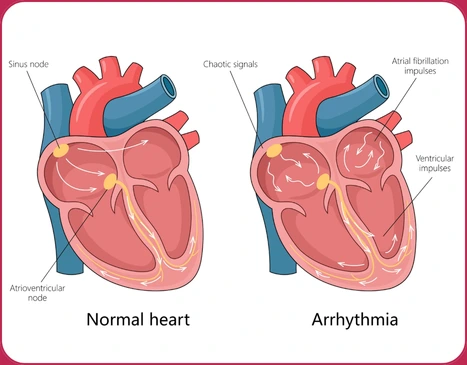
Types of Arrhythmia
Arrhythmias present in different forms, each requiring a specific diagnostic and treatment approach. Understanding the type of arrhythmia helps cardiologists design the most effective care plan.
Tachycardia
This condition occurs when the heart beats faster than normal, often exceeding 100 beats per minute at rest. Common forms include supraventricular tachycardia and ventricular tachycardia. Symptoms may include palpitations, dizziness or shortness of breath.
Bradycardia
Bradycardia is characterized by a slow heart rate, typically below 60 beats per minute. It may result from aging-related changes, heart disease, or electrical conduction problems, sometimes causing fatigue, fainting or weakness.
Atrial Fibrillation
Atrial fibrillation is one of the most common arrhythmias, marked by irregular and rapid atrial contractions. It increases the risk of stroke and heart failure if not properly managed.
Ventricular Arrhythmias
These originate in the lower chambers of the heart and can be life-threatening. Ventricular fibrillation and ventricular tachycardia require urgent medical attention and advanced cardiac care.
Accurate classification and management are guided by the expertise available from the Best Arrhythmia Doctors in Hyderabad at TX Hospitals, ensuring patients receive condition-specific treatment.
Causes and Risk Factors of Arrhythmia
Arrhythmias can develop due to structural heart issues, metabolic imbalances, or lifestyle-related factors. In some cases, they occur without an identifiable cause.
Common Causes
- Coronary artery disease or previous heart attack
- Abnormal heart valves or cardiomyopathy
- Electrolyte imbalances such as potassium or magnesium disturbances
- Thyroid disorders
- Excessive caffeine, alcohol or stimulant use
Risk Factors
- Advancing age
- High blood pressure or diabetes
- Smoking and chronic alcohol consumption
- Obesity and sedentary lifestyle
- Sleep disorders such as obstructive sleep apnea
- Long-term use of certain medications
Comprehensive risk assessment is a key part of care at TX Hospitals, counted among the Best Treatment of Arrhythmia Hospitals in Hyderabad, where preventive strategies are seamlessly integrated into long-term heart rhythm management.
Symptoms of Arrhythmia: When to Seek Care
Arrhythmia symptoms can range from mild to severe and may occur intermittently. Some individuals remain asymptomatic until complications develop.
Common Symptoms
- Sensation of fluttering or pounding in the chest
- Irregular or skipped heartbeats
- Dizziness or lightheadedness
- Fatigue during routine activities
Severe Warning Signs
- Chest pain or pressure
- Shortness of breath at rest
- Fainting or near-fainting episodes
- Sudden weakness or confusion
Prompt evaluation is essential, as early treatment significantly reduces the risk of stroke, heart failure and sudden cardiac events.
When to Seek Emergency Care ?
How is Arrhythmia Diagnosed at TX Hospitals?
Diagnosing arrhythmia requires detailed cardiac evaluation to identify the rhythm abnormality and its underlying cause.
Electrocardiogram (ECG)
Records the heart’s electrical activity to detect rhythm abnormalities.
Holter Monitoring
Continuous heart rhythm monitoring over 24–72 hours.
Event Recorder or Loop Monitor
Used for intermittent or infrequent symptoms.
Echocardiography
Assesses heart structure and function.
Blood Tests
Evaluate thyroid function and electrolyte levels.
Electrophysiology Studies
Advanced testing to map abnormal electrical pathways when required.
This structured approach ensures accurate diagnosis and safe treatment planning under expert cardiac supervision.
Arrhythmia Treatment Options: Medications, Procedures & Advanced Cardiac Care
While some rhythm disorders are mild and intermittent, others can significantly increase the risk of stroke, heart failure or sudden cardiac events if left untreated. TX Hospitals offers comprehensive arrhythmia care covering medical therapy, interventional procedures and advanced cardiac support for all severity levels.
Antiarrhythmic Drugs
Help restore and maintain a normal heart rhythm
Rate-Control Medications
Slow down a fast heartbeat and improve pumping efficiency
Beta-Blockers
Reduce excessive electrical activity and heart strain
Calcium Channel Blockers
Improve rhythm control and reduce palpitations
Anticoagulants (Blood Thinners)
Prevent clot formation and reduce stroke risk, especially in atrial fibrillation
Combination Therapy
Used when single-drug therapy does not adequately control symptoms
Medication plans are individualized based on arrhythmia type, age, underlying heart condition and overall health.
Complications of Untreated Arrhythmia
Ignoring arrhythmia symptoms can lead to serious, sometimes irreversible complications.
Physical Complications
- Stroke due to blood clot formation
- Heart failure
- Sudden cardiac arrest
- Worsening coronary artery disease
- Reduced cardiac output and organ damage
Psychological & Functional Impact
- Chronic fatigue
- Anxiety related to palpitations
- Reduced exercise tolerance
- Sleep disturbances
- Decline in overall quality of life
- Increased fear of sudden health events
Prevention & Long-Term Arrhythmia Management
Consistent heart care can significantly reduce arrhythmia episodes and complication
Maintain Heart-Healthy Nutrition
Focus on balanced meals rich in vegetables, fruits and whole grains while avoiding excess salt, alcohol and stimulants.
Exercise Safely
Engage in doctor-recommended physical activity to strengthen heart function without overexertion.
Manage Stress Effectively
Chronic stress can trigger arrhythmias; relaxation techniques help maintain rhythm stability.
Monitor Heart Health Regularly
Routine ECGs and follow-ups ensure early detection of rhythm changes.
Adhere to Medications
Take prescribed medicines exactly as advised to prevent recurrence or complications.
When to Seek Medical Help for Arrhythmia
Consult a doctor immediately if you experience:
Persistent or sudden palpitations
Irregular heartbeat
Chest pain or pressure
Shortness of breath
Dizziness or fainting episodes
Unexplained fatigue or weakness
Sudden confusion or vision disturbances
Why Choose TX Hospitals for Arrhythmia Treatment in Hyderabad?
TX Hospitals is trusted among the Top Cardiology Hospitals in Hyderabad for delivering advanced, patient-focused arrhythmia care with international standards.
Expert Specialists
Access to experienced arrhythmia doctors with extensive expertise in electrophysiology
Advanced Diagnostics
High-precision ECG, Holter monitoring, EP labs and imaging
24/7 Emergency Cardiac Care
Immediate response for dangerous rhythm disturbances
Personalized Care Plans
Tailored medication, procedure and follow-up strategies
Advanced Cardiac Infrastructure
State-of-the-art cath labs and ICU backup
Affordable & Transparent Care
Clear cost communication without hidden charges
Take the First Step toward a Stable Heart Rhythm
Don’t ignore irregular heartbeats. Early care can prevent life-threatening complications. With guidance from the Best Heart Specialist in Hyderabad, TX Hospitals helps you manage arrhythmia safely and confidently.
Call 9144514459 today to book your consultation and begin your journey toward a healthier, steadier heart rhythm.
Frequently Asked Questions (FAQs)
Arrhythmia is a condition where the heartbeat becomes irregular, too fast, or too slow. It happens when the heart’s electrical signals do not work properly.
Some arrhythmias are mild, but others can be serious if not treated. If ignored, they may increase the risk of stroke, heart failure, or sudden heart problems.
Patients often experience palpitations, skipped heartbeats, dizziness, tiredness, shortness of breath, or fainting. Some people may not notice symptoms until a check-up.
Arrhythmia can be caused by heart disease, high blood pressure, thyroid problems, stress, lack of sleep, alcohol, smoking, or electrolyte imbalance. Sometimes, no clear cause is found.
Arrhythmia is diagnosed using heart tests like ECG, Holter monitoring, echocardiography, and blood tests. These help doctors understand the heart rhythm and its cause.
Yes. Arrhythmia can be treated with medications, lifestyle changes, or procedures depending on the type and severity. Many patients live normal, active lives with proper treatment.
Yes. Reducing stress, avoiding excess caffeine and alcohol, eating healthy, exercising safely and sleeping well can help control heart rhythm problems.
You should see a doctor if you have frequent palpitations, dizziness, chest discomfort, breathlessness, or fainting episodes. Early care helps prevent complications.
You can book an appointment by calling 9144514459 to consult experienced heart specialists at TX Hospitals. Early consultation helps ensure timely diagnosis and effective treatment.
Our Locations
Find Hospital Near You

TX Hospitals, Uppal

TX Hospitals, Kachiguda

TX Hospitals, Banjara Hills

TX Children Hospitals, Banjara Hills

TX Hospitals, Miyapur
Our
Locations
Find the world-class hospital nearest to you.

TX Hospitals, Uppal
TX Hospitals, Kachiguda
TX Hospitals, Banjara Hills
TX Children Hospitals, Banjara Hills