Best Atrial Fibrillation Treatment in Hyderabad, India
Looking for the best atrial fibrillation treatment in Hyderabad? Get expert, evidence-based cardiac care to control heart rhythm, reduce complications, and support long-term heart health.
Book an Appointment
Get expert consultation today
What is Atrial Fibrillation?
Atrial fibrillation (AF) is a condition in which the upper chambers of the heart (atria) beat irregularly and out of sync with the lower chambers. This irregular rhythm disrupts normal blood flow, increasing the risk of blood clots, stroke, heart failure and reduced cardiac efficiency. Atrial fibrillation can affect adults of all ages, particularly those with high blood pressure, heart disease, diabetes or lifestyle-related risk factors.
With support from the Best Atrial Fibrillation Treatment Hospitals in Hyderabad, patients at TX Hospitals receive accurate rhythm assessment, risk stratification and personalised treatment plans focused on both symptom relief and long-term heart protection.
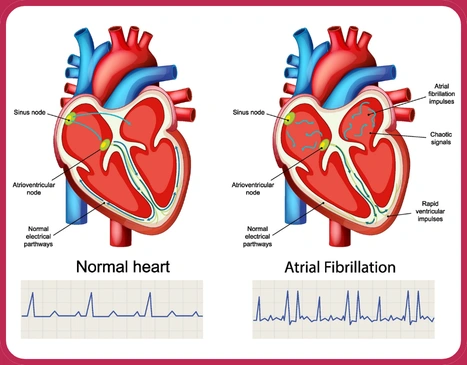
Types of Atrial Fibrillation
Atrial fibrillation presents in different patterns, each requiring a tailored management approach. Identifying the correct type helps guide effective treatment decisions.
Paroxysmal Atrial Fibrillation
This form occurs intermittently, with episodes starting and stopping on their own. Symptoms may last minutes to days and often resolve without intervention, though recurrence is common.
Persistent Atrial Fibrillation
Persistent AF lasts longer than seven days and usually requires medical treatment or electrical cardioversion to restore normal rhythm.
Long-Standing Persistent Atrial Fibrillation
This type continues for more than a year and often needs advanced rhythm control strategies, including catheter ablation or long-term medical management.
Permanent Atrial Fibrillation
In permanent AF, restoring normal rhythm is no longer pursued. Treatment focuses on heart rate control and stroke prevention.
Expert evaluation from the Best Doctors For Atrial Fibrillation Treatment In Hyderabad at TX Hospitals ensures patients clearly understand their AF type and receive appropriate, evidence-based care.
Causes and Risk Factors of Atrial Fibrillation
Atrial fibrillation develops due to electrical disturbances in the heart, often influenced by underlying medical conditions and lifestyle factors.
Common Causes
- High blood pressure
- Coronary artery disease
- Heart valve disorders
- Cardiomyopathy or heart failure
- Thyroid disorders
- Excessive alcohol consumption
- Previous heart surgery or infections
Risk Factors
- Advancing age
- Obesity or sedentary lifestyle
- Diabetes
- Chronic stress
- Sleep apnea
- Smoking
- Family history of heart rhythm disorders
Risk assessment and prevention planning are strengthened through specialised care provided by the Best Atrial Fibrillation Specialists in Hyderabad at TX Hospitals, helping patients reduce complications and disease progression.
Symptoms of Atrial Fibrillation: Warning Signs You Shouldn’t Ignore
Atrial fibrillation symptoms can vary in severity. Some individuals may have noticeable discomfort, while others remain unaware until complications develop.
Early Symptoms
- Palpitations or fluttering in the chest
- Mild shortness of breath
- Fatigue or reduced stamina
- Lightheadedness
- Anxiety or uneasiness
Advanced Symptoms
- Persistent breathlessness
- Chest discomfort
- Dizziness or fainting
- Sudden weakness or confusion
- Reduced ability to perform daily activities
Prompt evaluation of these symptoms helps prevent serious outcomes such as stroke or heart failure.
When to Seek Emergency Care ?
How is Atrial Fibrillation Diagnosed at TX Hospitals?
Diagnosing atrial fibrillation involves careful rhythm monitoring and evaluation of underlying causes.
Electrocardiogram (ECG)
Confirms irregular heart rhythm.
Holter Monitoring
Continuous rhythm recording over 24–72 hours.
Echocardiography
Assesses heart structure and function.
Blood Tests
Evaluates thyroid function, electrolytes and metabolic factors.
Stress Testing
Identifies exercise-related rhythm abnormalities if needed.
Advanced Cardiac Imaging
Used in complex or recurrent cases.
Through structured diagnostic pathways at TX Hospitals, patients receive precise diagnosis, risk evaluation and personalised atrial fibrillation management strategies aligned with international cardiac care standards.
Atrial Fibrillation Treatment Options: Medications, Procedures & Surgery
Atrial fibrillation management focuses on controlling heart rhythm, preventing complications and improving quality of life. With proper medical guidance, timely diagnosis and long-term monitoring, effective control is achievable. TX Hospitals offers comprehensive treatment options designed for all stages of atrial fibrillation from newly diagnosed cases to complex recurrent or persistent AF.
Rate Control Drugs
Help slow the heart rate and improve symptom control.
Antiarrhythmic Medications
Work to restore and maintain a normal heart rhythm.
Anticoagulants (Blood Thinners)
Reduce the risk of blood clots and stroke.
Beta-Blockers
Control heart rate and reduce palpitations.
Calcium Channel Blockers
Help regulate heart rhythm and rate.
Combination Therapy
Used when single medications are insufficient for symptom control.
Patients benefit from clear, structured, and accessible care through the Atrial fibrillation treatment cost in Hyderabad at TX Hospitals, ensuring transparency, affordability and consistent clinical outcomes.
Complications of Untreated Atrial Fibrillation
If left untreated, atrial fibrillation can lead to serious and potentially life-threatening complications.
Physical Complications
- Stroke or transient ischemic attack (TIA)
- Heart failure
- Blood clots
- Persistent fatigue and exercise intolerance
- Increased risk of hospitalization
Psychological & Functional Impact
- Anxiety related to palpitations or irregular heartbeat
- Reduced concentration and mental clarity
- Decreased physical endurance
- Sleep disturbances
- Reduced quality of life
- Higher risk of depression
Prevention & Lifestyle Management
Healthy routines can help reduce atrial fibrillation episodes and support long-term heart rhythm control.
Eat Heart-Healthy Meals
Choose foods rich in fruits, vegetables, whole grains, and lean proteins. Limit excess salt, caffeine, alcohol and processed foods.
Exercise Regularly
Engage in moderate physical activity most days of the week to improve cardiovascular fitness and rhythm stability.
Maintain Healthy Weight
Achieving and maintaining a healthy weight helps lower the burden on the heart and reduces AF risk.
Manage Stress
Practice relaxation techniques such as meditation, yoga, or deep breathing to reduce stress-related rhythm disturbances.
Control Blood Pressure & Heart Conditions
Manage blood pressure, diabetes, and thyroid disorders and follow prescribed medications carefully.
Attend Regular Cardiac Check-ups
Routine heart rhythm monitoring helps detect changes early and prevents complications like stroke.
When to Seek Medical Help for Atrial Fibrillation
You should contact a doctor if you experience:
Irregular or rapid heartbeat
Palpitations or fluttering in the chest
Chest discomfort or pain
Shortness of breath, especially on exertion
Fatigue or reduced exercise tolerance
Dizziness or lightheadedness
Episodes of fainting
Sudden weakness, speech difficulty, or confusion
Why Choose TX Hospitals for Atrial Fibrillation Treatment in Hyderabad?
TX Hospitals is recognised for its comprehensive, evidence-based and patient-first approach to managing atrial fibrillation. As one of the Top cardiac hospitals in Hyderabad, patients receive seamless care focused on rhythm control, stroke prevention and long-term heart health.
Expert Specialists
Experienced cardiologists and electrophysiology experts providing personalised AF care.
Advanced Diagnostics
ECG, Holter monitoring, echocardiography, and advanced rhythm evaluation tools.
24/7 Emergency Care
Immediate response for acute AF episodes and related complications.
Tailored Treatment Plans
Individualised medications, rate or rhythm control strategies, and anticoagulation management.
Cutting-Edge Technology
Advanced cardiac care units with ICU and procedural backup.
Affordable Care
Transparent and patient-friendly atrial fibrillation treatment costs.
TX Hospitals ensures every patient feels informed, supported, and confident throughout their treatment journey.
Take the First Step Toward Better Heart Rhythm
Regain control of your heart rhythm with expert care from TX Hospitals. With guidance from leading cardiac specialists offering atrial fibrillation treatment near me, you can reduce symptoms, prevent complications, and improve quality of life.
Call 9144514459 to book your consultation and take the first step toward a healthier, steadier heart.
Frequently Asked Questions (FAQs)
Atrial fibrillation is a heart rhythm disorder where the upper chambers of the heart beat irregularly and rapidly. This disrupts normal blood flow and increases the risk of stroke, heart failure and other complications.
Common symptoms include irregular heartbeat, palpitations, shortness of breath, fatigue, dizziness, chest discomfort and reduced exercise tolerance. Some patients may not notice symptoms until complications occur.
Yes. If left untreated, atrial fibrillation can lead to stroke, blood clots, heart failure and long-term heart damage. Early diagnosis and treatment help prevent serious complications.
Atrial fibrillation may be caused by high blood pressure, coronary artery disease, heart valve problems, cardiomyopathy, thyroid disorders, excessive alcohol use, or previous heart surgery. Lifestyle factors and age also increase risk.
Diagnosis usually involves an Electrocardiogram (ECG), Holter monitoring, echocardiography, blood tests, stress testing and advanced cardiac imaging when necessary.
Treatment options include medications for heart rate and rhythm control, blood thinners to prevent stroke, lifestyle modifications, electrical cardioversion, catheter ablation, pacemaker therapy and advanced surgical procedures
People with high blood pressure, diabetes, obesity, heart disease, sleep apnea, thyroid disorders and individuals above 60 years of age are at higher risk.
You should consult a cardiologist if you experience palpitations, irregular heartbeat, chest discomfort, breathlessness, dizziness or unexplained fatigue. Immediate care is required if stroke-like symptoms appear.
Irregular heart rhythm can cause blood to pool inside the heart chambers, forming clots. These clots may travel to the brain and block blood flow, leading to a stroke.
Untreated atrial fibrillation may lead to stroke, heart failure, chronic fatigue, blood clots, hospitalization and reduced quality of life.
You can receive comprehensive diagnosis, advanced rhythm monitoring, medication management and minimally invasive procedures from experienced cardiac specialists at TX Hospitals.
You can book an appointment by calling 9144514459 or visiting https://txhospitals.in/ for expert cardiac evaluation and personalised treatment guidance.
Our Locations
Find Hospital Near You

TX Hospitals, Uppal

TX Hospitals, Kachiguda

TX Hospitals, Banjara Hills

TX Children Hospitals, Banjara Hills

TX Hospitals, Miyapur
Our
Locations
Find the world-class hospital nearest to you.

TX Hospitals, Uppal
TX Hospitals, Kachiguda
TX Hospitals, Banjara Hills
TX Children Hospitals, Banjara Hills