Best Bradycardia Treatment in Hyderabad, India
If you are looking for the best bradycardia treatment in Hyderabad? Get accurate diagnosis and advanced care to manage slow heart rhythms, relieve symptoms and support healthy heart function.
Book an Appointment
Get expert consultation today
What is Bradycardia?
Bradycardia is a heart rhythm condition in which the heart beats slower than normal, typically fewer than 60 beats per minute. While a slow heart rate can be normal in well-trained athletes, in many individuals it may indicate an underlying problem with the heart’s electrical system. Bradycardia can reduce the amount of oxygen-rich blood reaching the brain and other vital organs, leading to symptoms such as dizziness, fatigue, fainting, shortness of breath, or confusion. The condition may occur due to aging-related changes, heart disease, medication effects, electrolyte imbalance, or damage to the heart’s conduction pathways.
With specialized Bradycardia Treatment in Hyderabad, India at TX Hospitals, patients receive accurate rhythm evaluation, advanced monitoring, and individualized treatment approaches designed to restore safe heart rates and prevent long-term complications.
Types of Bradycardia
Bradycardia can present in different forms, each requiring a tailored diagnostic and treatment approach.
Sinus Bradycardia
This occurs when the heart’s natural pacemaker (sinus node) generates slower-than-normal electrical signals. It may be harmless in healthy individuals but can cause fatigue, dizziness, or weakness in others.
Sick Sinus Syndrome
This condition involves improper functioning of the sinus node, leading to abnormally slow heart rates, pauses, or alternating slow and fast rhythms. It is more common in older adults.
Heart Block (Atrioventricular Block)
Heart block occurs when electrical signals between the atria and ventricles are delayed or completely blocked. Depending on severity, it may range from mild conduction delay to complete heart block requiring urgent care.
Bradycardia Due to Medications or Medical Conditions
Certain medications, electrolyte imbalances, thyroid disorders, or heart damage can slow the heart rate and contribute to bradycardia.
Accurate diagnosis, continuous rhythm monitoring, and personalized treatment planning are guided by the expertise of the Best Doctors For Bradycardia Treatment In Hyderabad at TX Hospitals, ensuring safe care, timely intervention, and long-term heart rhythm stability.
Causes and Risk Factors of Bradycardia
Bradycardia is a heart rhythm condition in which the heart beats slower than normal, usually fewer than 60 beats per minute. It can develop due to abnormalities in the heart’s electrical system, age-related changes, medical conditions, medications, or underlying heart disease.
Primary Causes
- Dysfunction of the heart’s natural pacemaker (sinus node)
- Age-related degeneration of the cardiac conduction system
- Heart damage from previous heart attack or surgery
- Electrolyte imbalances such as low potassium levels
- Side effects of certain medications, including beta-blockers
- Congenital heart conduction abnormalities
Risk Factors
- Advanced age
- History of heart disease or heart surgery
- High blood pressure
- Diabetes mellitus
- Thyroid disorders (especially hypothyroidism)
- Sleep apnea
- Family history of rhythm disorders
- Excessive endurance training or extreme physical conditioning
Early symptoms such as dizziness, fatigue, fainting, or shortness of breath should never be ignored. Expert evaluation and timely care at the Best hospitals for bradycardia in Hyderabad at TX Hospitals ensure accurate rhythm assessment, appropriate treatment planning, and long-term heart rhythm stabilization.
Bradycardia: Understanding Signs and Symptoms
While a slow heart rate may be normal for some individuals, symptomatic bradycardia can reduce blood flow to the brain and other vital organs, requiring timely medical attention.
Early Symptoms
- Persistent fatigue or low energy
- Mild dizziness or lightheadedness
- Shortness of breath during physical activity
- Difficulty concentrating
- Feeling unusually weak
Advanced Symptoms
- Frequent fainting or near-fainting episodes
- Severe dizziness or confusion
- Chest pain or discomfort
- Marked shortness of breath even at rest
- Palpitations or irregular heartbeats
- Sudden collapse or loss of consciousness
For patients seeking clarity on cost and Treatment Options for Bradycardia in India, expert cardiology teams at TX Hospitals provide transparent guidance, individualized treatment planning, and advanced rhythm management focused on safety and long-term heart health.
When to Seek Emergency Care ?
Seek emergency care at once if symptoms are sudden, severe, or associated with fainting or chest pain
How is Bradycardia Diagnosed at TX Hospitals?
Bradycardia is a heart rhythm disorder where the heart beats slower than normal, potentially reducing blood flow to vital organs. At TX Hospitals, diagnosis is rhythm-focused and cause-specific, aimed at identifying electrical conduction problems and reversible triggers.
Clinical Assessment
Evaluation of dizziness, fatigue, fainting spells, exercise intolerance, and medication history
Electrocardiogram (ECG)
Confirms slow heart rate and identifies sinus node dysfunction or heart block
Holter Monitoring
24–48 hour continuous rhythm recording to capture intermittent bradycardia episodes
Event Recorder / Loop Monitor
Used for infrequent symptoms or unexplained syncope
Blood Tests
Thyroid function, electrolyte levels, and metabolic screening
Echocardiography
Assesses structural heart disease affecting conduction pathways
Electrophysiology Evaluation (if required)
Determines need for advanced rhythm management or pacing
Patients receive expert evaluation and personalized care from Bradycardia Treatment Doctors near me at TX Hospitals, ensuring accurate diagnosis, timely intervention, and safe long-term rhythm control.
Bradycardia Treatment Options: Medications, Monitoring & Cardiac Procedures
TX Hospitals offers comprehensive and personalized care for bradycardia, focusing on accurate diagnosis, symptom control and long-term heart rhythm stability under the guidance of a Top Heart Specialist in Hyderabad.
Medication Review & Adjustment
Identification and modification of drugs that may slow heart rate excessively
Atropine (Emergency Use)
Used in acute symptomatic bradycardia to increase heart rate
Treatment of Underlying Conditions
Management of thyroid disorders, electrolyte imbalances or cardiac inflammation
Temporary Drug Support
Short-term medications in monitored settings for unstable patients
Observation & Monitoring
For asymptomatic or mild bradycardia without structural heart disease
Complications of Untreated Bradycardia
When bradycardia (abnormally slow heart rate) is not properly evaluated and treated, it can lead to reduced blood flow to vital organs and serious long-term consequences.
Physical Complications
- Frequent dizziness or fainting (syncope)
- Low blood pressure and poor circulation
- Heart failure due to inadequate cardiac output
- Increased risk of sudden cardiac arrest
- Worsening of underlying heart conduction disorders
Psychological & Functional Impact
- Fear of sudden blackouts or falls
- Reduced stamina and exercise intolerance
- Difficulty concentrating or memory issues
- Persistent fatigue and weakness
- Decline in independence and overall quality of life
Prevention & Long-Term Heart Health Management
Long-term Bradycardia management focuses on maintaining adequate heart rate, preventing pauses in electrical conduction and avoiding complications such as dizziness, fainting, or fatigue.
Review Medications That Slow Heart Rate
Drugs such as beta-blockers, calcium channel blockers, digoxin and certain anti-arrhythmics can worsen bradycardia and must be carefully adjusted under medical supervision.
Correct Electrical Conduction Disorders
Sinus node dysfunction and atrioventricular (AV) block require accurate diagnosis and ongoing monitoring to prevent dangerous heart rate drops.
Monitor Symptoms of Reduced Cardiac Output
Persistent fatigue, dizziness, confusion or fainting indicate insufficient blood flow and require immediate medical evaluation.
Maintain Safe Activity Levels
Sudden exertion or prolonged inactivity can worsen symptoms. Individually tailored activity plans help support circulation without stressing a slow heart rate.
Pacemaker Evaluation When Indicated
In symptomatic or progressive bradycardia, timely pacemaker assessment ensures reliable heart rhythm and prevents life-threatening pauses.
Regular Rhythm & Conduction Follow-Up
Periodic ECGs, Holter monitoring and cardiology reviews help track heart rate trends and guide treatment decisions early.
When to Seek Medical Help for Bradycardia
Consult a cardiologist immediately if you experience:
Abnormally slow heart rate
Dizziness or lightheadedness
Fainting or near-fainting episodes
Persistent fatigue or weakness
Shortness of breath
Chest discomfort
Confusion or difficulty concentrating
Exercise intolerance
Why Choose TX Hospitals for Bradycardia Treatment in Hyderabad?
TX Hospitals is recognized as a Top Cardiology Hospital in Hyderabad for delivering safe, precise, and patient-focused care for heart rhythm disorders like bradycardia.
Expert Electrophysiologists & Cardiologists
Highly experienced specialists managing slow heart rate conditions with personalised treatment strategies.
Advanced Rhythm Diagnostics
Continuous ECG monitoring, Holter studies, tilt-table testing, and electrophysiology evaluations for accurate diagnosis.
24/7 Cardiac Emergency Support
Immediate care for dizziness, fainting, or sudden heart rate drops related to bradycardia.
Comprehensive Treatment Options
Medication optimisation, temporary pacing, and permanent pacemaker implantation when required.
State-of-the-Art Infrastructure
Advanced cath labs, cardiac ICUs, and precision-guided pacemaker technology for safe outcomes.
Transparent & Affordable Care
Clear bradycardia treatment costs with patient-friendly financial guidance.
At TX Hospitals, every bradycardia patient receives end-to-end care from early detection and expert intervention to long-term rhythm management and follow-up.
Begin Your Journey Toward a Safer, Healthier Heart Rhythm
Slow heart rhythms need timely expert attention. At TX Hospitals, care from a Top Heart Specialist in Hyderabad ensures accurate diagnosis and personalized treatment for bradycardia helping restore a safe heart rate and prevent complications.
Call +91 9144514459 today to book your consultation and move toward steady heart health and long-term well-being.
Frequently Asked Questions (FAQs)
Bradycardia is a condition where the heart beats slower than 60 beats per minute. It becomes dangerous when it causes symptoms like dizziness, fainting, fatigue or reduced blood flow to vital organs.
Common symptoms include fatigue, dizziness, shortness of breath, confusion, fainting and weakness. Severe cases may lead to chest pain or sudden loss of consciousness.
Bradycardia can be caused by aging-related changes, heart disease, electrolyte imbalance, thyroid disorders, medications, or damage to the heart’s electrical system.
Doctors use ECG, Holter monitoring, blood tests, echocardiography and sometimes electrophysiology studies to identify slow heart rhythms and underlying causes.
The best treatment depends on the cause and severity. Options include medication adjustment, treating underlying conditions, monitoring or pacemaker implantation for long-term management.
A pacemaker is recommended when bradycardia causes severe symptoms, frequent fainting, or significant heart rhythm disturbances that cannot be managed with medications alone.
It depends on the cause. Some cases are temporary and reversible, while others may require long-term management or a permanent pacemaker.
Untreated bradycardia can lead to fainting, heart failure, low blood pressure, and in severe cases, sudden cardiac arrest.
At TX Hospitals – Banjara Hills | Kachiguda | Uppal | Miyapur, patients receive advanced diagnosis, expert cardiology care and personalized treatment for safe and effective heart rhythm management.
You can easily book an appointment at TX Hospitals – Banjara Hills | Kachiguda | Uppal | Miyapur by calling +919144514459 or visiting https://txhospitals.in/ website.
Our Locations
Find Hospital Near You
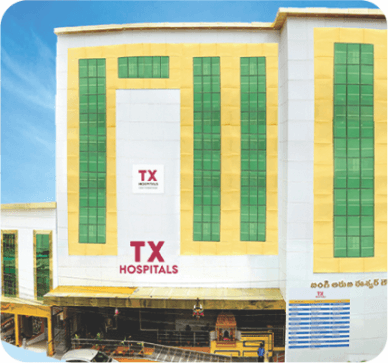
TX Hospitals, Uppal

TX Hospitals, Kachiguda

TX Hospitals, Banjara Hills

TX Children Hospitals, Banjara Hills

TX Hospitals, Miyapur
Our
Locations
Find the world-class hospital nearest to you.

TX Hospitals, Uppal
TX Hospitals, Kachiguda
TX Hospitals, Banjara Hills
TX Children Hospitals, Banjara Hills