Best Cardiomyopathy Treatment in Hyderabad, India
If you are looking for Cardiomyopathy Treatment in Hyderabad, India, expert-led, evidence-based cardiac care can help strengthen heart function, control symptoms, prevent complications, and improve long-term quality of life with confidence.
Book an Appointment
Get expert consultation today
What is Cardiomyopathy?
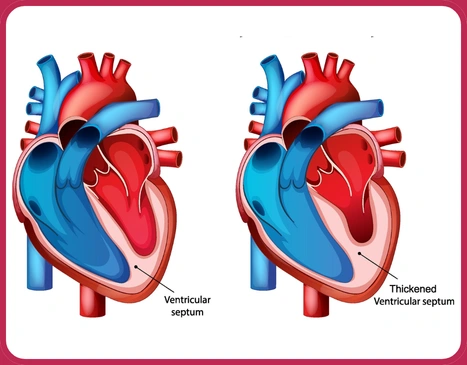
Cardiomyopathy is a heart muscle disorder in which the heart becomes enlarged, thickened, or weakened, reducing its ability to pump blood effectively. This condition places significant strain on the heart and can lead to heart failure, abnormal heart rhythms, or blood clots if left untreated. Cardiomyopathy can affect people of all ages and may develop due to genetic factors, infections, prolonged high blood pressure, alcohol use or underlying medical conditions..
Types of Cardiomyopathy
Cardiomyopathy presents in different forms, each requiring a tailored approach for evaluation and treatment. Understanding the specific type helps cardiologists plan effective management strategies and prevent complications.
1. Dilated Cardiomyopathy
This is the most common form and occurs when the heart chambers, especially the left ventricle, become enlarged and weakened. It reduces the heart’s ability to pump blood efficiently and may develop due to genetic factors, infections, long-term alcohol use, or prior heart attacks.
2. Hypertrophic Cardiomyopathy
Hypertrophic cardiomyopathy is characterized by abnormal thickening of the heart muscle, which can obstruct blood flow and affect normal heart function. It is often inherited and may cause chest pain, shortness of breath, palpitations, or fainting, especially during exertion.
3. Restrictive Cardiomyopathy
In this form, the heart muscle becomes stiff and less flexible, limiting the heart’s ability to fill properly with blood between beats. It may be caused by scarring, infiltrative diseases, or systemic conditions and can lead to symptoms of heart failure.
4. Arrhythmogenic Cardiomyopathy
This type involves replacement of normal heart muscle with fatty or fibrous tissue, particularly in the right ventricle. It increases the risk of abnormal heart rhythms and sudden cardiac events, often affecting younger individuals.
Causes and Risk Factors of Cardiomyopathy
Cardiomyopathy develops due to abnormalities in the heart muscle that affect its ability to pump blood effectively. The condition may arise gradually over time or progress rapidly due to genetic factors, medical conditions, infections, or long-standing strain on the heart.
Primary Causes
- Genetic mutations affecting heart muscle structure
- Damage to heart muscle from previous heart attack or infection
- Long-standing high blood pressure causing heart muscle thickening
- Viral infections leading to myocardial inflammation
- Prolonged alcohol abuse or exposure to toxic substances
Risk Factors
- Family history of cardiomyopathy or sudden cardiac death
- Chronic high blood pressure
- Diabetes or metabolic disorders
- Obesity or poor physical activity levels
- Long-term alcohol or substance use
- Autoimmune or systemic inflammatory diseases
- Pregnancy-related heart stress (peripartum cardiomyopathy)
- Long-term use of certain chemotherapy medications
Assessment, early detection, and long-term management are supported by the comprehensive cardiac care available with the Best Cardiomyopathy Treatment Hospitals in Hyderabad at TX Hospitals, ensuring accurate diagnosis, advanced treatment options, and improved heart function outcomes.
Symptoms of Cardiomyopathy: Warning Signs You Shouldn’t Ignore
Cardiomyopathy is a disease of the heart muscle that can weaken its ability to pump blood effectively. In early stages, symptoms may be subtle or overlooked, but progression can lead to serious heart complications if not treated in time.
Early Symptoms
- Unusual fatigue or reduced exercise tolerance
- Shortness of breath during exertion
- Mild chest discomfort
- Dizziness or lightheadedness
- Swelling in ankles, feet, or legs
Advanced Symptoms
- Persistent shortness of breath even at rest
- Chest pain or pressure
- Rapid or irregular heartbeat
- Severe swelling of legs, abdomen, or neck veins
- Fainting or near-fainting episodes
For accurate evaluation and advanced management of these symptoms, patients can rely on expert care from Cardiomyopathy Treatment Doctors in Hyderabad, India at TX Hospitals, offering timely diagnosis, personalized treatment, and long-term cardiac support.
How Is Cardiomyopathy Diagnosed at TX Hospitals?
Diagnosing cardiomyopathy requires a detailed evaluation of heart muscle structure, pumping ability, and underlying causes to determine the exact type and severity of the condition.
Clinical Evaluation
Assessment of symptoms such as breathlessness, fatigue, chest pain, swelling of legs, and family history of heart disease
Physical Examination
Heart sounds, lung examination, pulse assessment, and signs of fluid overload
Medical History Review
Genetic history, prior infections, alcohol use, medications, and associated medical conditions
Blood Tests
Cardiac markers, metabolic profile, thyroid function, and genetic testing if indicated
Imaging Tests
ECG and echocardiography to evalua
Advanced Cardiac Imaging
Cardiac MRI or CT scans for detailed tissue characterization and disease classification
Specialized Tests
Stress testing, Holter monitoring, or endomyocardial biopsy in select cases
Patients benefit from comprehensive and precision-based assessment through the Best Clinics in India for Cardiomyopathy Treatment at TX Hospitals, ensuring accurate diagnosis, disease-specific management, and long-term heart care.
Cardiomyopathy Treatment Options: Medications, Procedures & Advanced Care
Cardiomyopathy management focuses on improving heart function, relieving symptoms, preventing complications, and enhancing quality of life. With timely diagnosis, personalized treatment plans, and long-term monitoring, outcomes can be significantly improved. TX Hospitals offers comprehensive care for all forms of cardiomyopathy from early-stage disease to advanced heart failure conditions
Beta-Blockers
Slow heart rate and reduce strain on weakened heart muscle.
ACE Inhibitors & ARBs
Improve blood flow, lower blood pressure, and support heart function.
Diuretics
Reduce fluid buildup, relieving breathlessness and swelling.
Aldosterone Antagonists
Help manage fluid retention and protect heart muscle.
Antiarrhythmic Drugs
Control abnormal heart rhythms associated with cardiomyopathy.
Combination Therapy
Used when single medications are not sufficient to control symptoms or disease progression.
Patients receive expert-led, evidence-based care from the Top Cardiologists in India for Cardiomyopathy treatment at TX Hospitals, ensuring clarity, affordability, and comprehensive support from diagnosis through long-term management.
Complications of Untreated Cardiomyopathy
Untreated cardiomyopathy can progressively weaken or stiffen the heart muscle, reducing its ability to pump blood effectively and leading to serious, potentially life-threatening complications.
Physical Complications
- Progressive heart failure
- Life-threatening heart rhythm disorders (arrhythmias)
- Blood clot formation leading to stroke or embolism
- Sudden cardiac arrest
- Valve regurgitation due to heart enlargement
- Fluid buildup in lungs, legs, and abdomen
Psychological & Functional Impact
- Persistent anxiety related to heart symptoms
- Reduced exercise tolerance and stamina
- Chronic fatigue and breathlessness
- Sleep disturbances, especially due to shortness of breath
- Reduced ability to work or perform daily activities
- Decline in overall quality of life
Prevention & Lifestyle Management for Cardiomyopathy
Healthy routines can help slow disease progression, reduce symptoms, and support long-term heart health.
Follow a Heart-Healthy Diet
Consume balanced meals rich in fruits, vegetables, whole grains, and lean proteins. Limit salt, saturated fats, and processed foods to reduce strain on the heart.
Exercise Safely & Regularly
Engage in light to moderate physical activity as advised by your cardiologist to improve heart efficiency and overall stamina.
Maintain a Healthy Weight
Keeping your body weight in a healthy range helps reduce the workload on the heart and supports better symptom control.
Avoid Alcohol & Smoking
Limiting alcohol intake and quitting smoking prevents further damage to the heart muscle and reduces complication risks.
Manage Stress & Get Adequate Rest
Practice relaxation techniques such as meditation or yoga and ensure proper sleep to support heart function and recovery.
Attend Regular Cardiac Check-ups
Schedule routine heart evaluations and follow-ups for early detection of changes and timely medical intervention.
When to Seek Medical Help for Cardiomyopathy
You should contact a doctor if you experience:
Persistent fatigue or weakness
Chest pain or discomfort
Shortness of breath during activity or at rest
Swelling in legs, ankles, or feet
Irregular or rapid heartbeat
Dizziness or fainting episodes
Sudden weight gain due to fluid retention
Reduced ability to perform daily activities
Why Choose TX Hospitals for Cardiomyopathy Treatment in Hyderabad?
TX Hospitals is recognised for its comprehensive, evidence-based, and patient-first approach to managing cardiomyopathy. As a trusted Heart Specialist Hospital in Hyderabad, patients receive coordinated care from early diagnosis to advanced heart failure management, supported by experienced teams and modern infrastructure.
Expert Specialists
Highly skilled cardiologists and heart failure specialists offering personalised treatment plans.
Advanced Diagnostics
State-of-the-art cardiac imaging, echocardiography, MRI, and heart function assessments.
24/7 Emergency Cardiac Care
Immediate response for acute heart failure, arrhythmias, or sudden deterioration.
Tailored Treatment Plans
Individualised medications, device therapy, lifestyle guidance, and long-term monitoring.
Cutting-Edge Technology
Advanced cardiac ICUs, device implantation support, and comprehensive cardiac care units.
Affordable Care
Transparent, patient-friendly cardiomyopathy treatment costs.
TX Hospitals ensures every patient feels valued, informed, and supported through every stage of care.
Take the First Step Toward Stronger Heart Function
Take control of your heart health today with expert support from TX Hospitals. With guidance from the Best Cardiac Specialist near me, cardiomyopathy can be managed safely and confidently
Call 9144514459 to book your consultation and begin your journey toward improved heart function and long-term wellness.
Frequently Asked Questions (FAQs)
Cardiomyopathy is a condition where the heart muscle becomes weak, thickened or stiff, affecting its ability to pump blood. It can range from mild to severe and may lead to heart failure or arrhythmias if not treated early.
Early symptoms include fatigue, shortness of breath during activity, mild chest discomfort, dizziness, and swelling in the legs or feet. These symptoms may worsen over time if ignored.
Cardiomyopathy can be caused by genetic factors, high blood pressure, infections, alcohol abuse, heart attacks or underlying conditions like diabetes and autoimmune diseases.
While cardiomyopathy may not always be completely curable, it is highly manageable with medications, lifestyle changes and advanced treatments that improve heart function and quality of life
Diagnosis involves clinical evaluation, ECG, echocardiography, blood tests, and advanced imaging like cardiac MRI or CT scans to assess heart structure and function.
Yes, untreated cardiomyopathy can weaken the heart over time, leading to heart failure, arrhythmias, blood clots or even sudden cardiac arrest.
People with a family history of heart disease, high blood pressure, diabetes, obesity or long-term alcohol use are at higher risk of developing cardiomyopathy.
Yes, maintaining a heart-healthy diet, regular exercise, quitting smoking, reducing alcohol intake and managing stress can significantly improve symptoms and slow disease progression.
You should consult a doctor if you experience persistent breathlessness, chest pain, swelling in legs, irregular heartbeat or unexplained fatigue. Immediate care is needed for severe symptoms.
You can consult expert cardiologists for evaluation and treatment planning by calling 9144514459 or visiting https://txhospitals.in/ for appointments.
Our Locations
Find Hospital Near You

TX Hospitals, Uppal

TX Hospitals, Kachiguda

TX Hospitals, Banjara Hills

TX Children Hospitals, Banjara Hills

TX Hospitals, Miyapur
Our
Locations
Find the world-class hospital nearest to you.

TX Hospitals, Uppal
TX Hospitals, Kachiguda
TX Hospitals, Banjara Hills
TX Children Hospitals, Banjara Hills