Best Hospital for Deep Vein Thrombosis (DVT) Treatment in Hyderabad, India
Deep vein thrombosis can cause serious problems if a blood clot is not found and treated early. If you are looking for the best DVT treatment in Hyderabad, you can get care from experts who focus on quick diagnosis, effective clot treatment and keeping your blood vessels healthy.
Book an Appointment
Get expert consultation today
What Is Deep Vein Thrombosis (DVT)?
Deep Vein Thrombosis (DVT) is a condition in which a blood clot forms in a deep vein, usually in the legs, disrupting normal blood circulation. This blockage can lead to swelling, pain, warmth and redness in the affected area, and in some cases, the clot may travel to the lungs causing serious complications. It can affect individuals of all ages, particularly those with prolonged immobility, recent surgery, pregnancy or underlying medical conditions. With support from the best Cardiology Hospitals in Hyderabad at TX Hospitals, patients receive accurate diagnosis, timely intervention and long-term prevention strategies tailored to their condition.
Types of Deep Vein Thrombosis (DVT)
Deep vein thrombosis can happen in different ways, depending on where the clot forms and how it develops. Knowing the type of DVT helps doctors choose the right treatment and lower the risk of serious problems.
Distal Deep Vein Thrombosis
This type develops in the smaller veins below the knee, usually in the calf region. It may cause mild discomfort or swelling and, in some cases, can resolve with careful monitoring and medical therapy.
Proximal Deep Vein Thrombosis
Proximal DVT affects larger veins above the knee, such as the thigh or pelvis. It carries a higher risk of complications, including pulmonary embolism and typically requires prompt and more aggressive treatment.
Acute Deep Vein Thrombosis
Acute DVT refers to a recently formed clot that presents with sudden symptoms like pain, swelling, warmth or redness in the affected limb. Early diagnosis and treatment are crucial to prevent clot progression.
Chronic Deep Vein Thrombosis
Chronic DVT develops when a clot persists over time and leads to long-term vein damage. It may result in ongoing swelling, skin changes or post-thrombotic syndrome, requiring continued medical care.
At TX Hospitals, patients benefit from thorough evaluations, advanced imaging and personalized treatment plans. This expert care helps ensure timely treatment and lowers the risk of DVT complications.
Causes and Risk Factors of Deep Vein Thrombosis (DVT)
Deep vein thrombosis happens when a blood clot forms in a deep vein, usually in the legs and blocks normal blood flow. It often results from poor circulation, blood clotting problems or certain health or lifestyle factors.
Primary Causes
- Formation of blood clots in deep veins
- Prolonged immobility reducing blood circulation
- Injury or damage to blood vessel walls
- Increased blood thickness or clotting tendency
- Slowed blood flow in the lower limbs
Risk Factors
- Family history of blood clotting disorders
- Long periods of sitting or bed rest
- Recent surgery or hospitalization
- Pregnancy or postpartum period
- Obesity or lack of physical activity
- Smoking or tobacco use
- Use of hormonal medications such as contraceptives
Assessment and prevention strategies are further supported by the comprehensive vascular care available with the best Deep Vein Thrombosis Treatment in Hyderabad, India at TX Hospitals, ensuring early detection, effective clot management and reduced risk of complications such as pulmonary embolism.
Symptoms of Deep Vein Thrombosis (DVT): Warning Signs You Shouldn’t Ignore
Deep vein thrombosis can develop without obvious symptoms, so it is important not to ignore early warning signs. If left untreated, the clot can move to the lungs and cause serious health problems. Recognizing symptoms early is crucial.
Early Symptoms
- Mild swelling in one leg or along a vein
- Tenderness or discomfort in the calf or thigh
- Warm sensation over the affected area
- Slight redness or skin discoloration
- Heaviness or aching in the leg
Advanced Symptoms
- Severe pain or tightness in the leg
- Significant swelling of the affected limb
- Skin turning dark red or bluish
- Sudden shortness of breath
- Chest pain or rapid heartbeat (possible clot migration)
For accurate evaluation and prompt treatment, patients can rely on expert care at TX Hospitals, known for top doctors for DVT treatment in Hyderabad, offering timely diagnosis, advanced clot management, and prevention of serious complications.
How Is Deep Vein Thrombosis (DVT) Diagnosed at TX Hospitals?
Diagnosing Deep Vein Thrombosis involves a prompt clinical evaluation and specific vascular tests to find blood clots and help prevent serious problems like pulmonary embolism.
DVT Diagnosis Process at TX Hospitals
Clinical Evaluation
Assessment of symptoms such as leg swelling, pain, warmth, redness, and risk factors like immobility or recent surgery
Physical Examination
Examination of the affected limb for tenderness, swelling, and skin color changes
Medical History Review
Evaluation of previous clotting events, travel history, medications, and underlying conditions
Laboratory Tests
D-dimer test and coagulation profile to assess clotting activity
Imaging Tests
Venous Doppler ultrasound to confirm presence and location of the clot
Advanced Imaging
CT or MR venography in complex or unclear cases
At TX Hospitals, patients receive a thorough evaluation that leads to accurate diagnosis and helps prevent serious complications.
Deep Vein Thrombosis (DVT) Treatment Options: Medications, Procedures & Advanced Care
Deep Vein Thrombosis is a condition where blood clots form in deep veins, usually in the legs, which can lead to serious complications if untreated. TX Hospitals provides comprehensive DVT care tailored for both early-stage and advanced cases.
DVT medications focus on preventing clot growth, reducing recurrence, and improving blood flow.
Anticoagulants
Prevent existing clots from enlarging and reduce the risk of new clots.
Heparin & Low Molecular Weight Heparin
Used initially for rapid blood thinning.
Oral Anticoagulants
Long-term therapy to prevent recurrence of DVT.
Thrombolytic Drugs
Help dissolve clots in severe or high-risk cases.
Pain Relief Medications
Reduce discomfort and inflammation.
Combination Therapy
Used when clot burden is high or risk factors are multiple.
Patients receive well-structured treatment planning, expert care from vascular specialists, and transparent treatment pathways at TX Hospitals, recognized for having the best CTVS specialists in Hyderabad, ensuring safer recovery and long-term vascular health.
Complications of Untreated Deep Vein Thrombosis (DVT)
If left untreated, deep vein thrombosis can lead to serious complications as the clot may grow or travel to other parts of the body, often without early warning signs.
Physical Complications
- Pulmonary embolism due to clot migration to the lungs
- Severe chest pain and sudden breathlessness
- Chronic leg swelling and pain (post-thrombotic syndrome)
- Skin discoloration or venous ulcers
- Damage to vein valves affecting blood flow
- Increased risk of recurrent blood clots
- Reduced circulation in the affected limb
Psychological & Functional Impact
- Anxiety due to fear of clot movement
- Difficulty concentrating due to discomfort
- Reduced mobility and physical activity
- Sleep disturbances from pain or swelling
- Persistent fatigue
- Decreased independence in daily routines
- Lower overall quality of life
Prevention & Lifestyle Management
Healthy habits and timely care can help prevent blood clot formation and support long-term vascular health.
Follow a Circulation-Friendly Diet
Include foods rich in fiber, fruits, vegetables and healthy fats while limiting excess salt and processed foods to support blood vessel health.
Stay Physically Active
Regular movement, walking and leg exercises help improve blood flow and reduce the risk of clot formation, especially during long sitting periods.
Maintain a Healthy Weight
Keeping a healthy body weight reduces pressure on veins and lowers the risk of developing blood clots.
Avoid Prolonged Immobility
Take breaks to move around during long travel or sitting hours and perform simple leg stretches to maintain circulation.
Follow Medications & Compression Therapy
Use prescribed blood thinners and compression stockings as advised to prevent clot progression and recurrence.
Attend Regular Medical Check-ups
Routine follow-ups help monitor blood clot risk, medication response and prevent complications such as pulmonary embolism.
When to Seek Medical Help for Deep Vein Thrombosis (DVT)
You should consult a doctor if you experience:
Swelling in one leg or arm
Pain or tenderness, often starting in the calf
Warmth in the affected area
Red or discolored skin
Leg cramps, especially at night
Heaviness or tightness in the limb
Visible surface veins becoming more prominent
Unexplained leg discomfort after long periods of inactivity
Why Choose TX Hospitals for Deep Vein Thrombosis Treatment in Hyderabad?
TX Hospitals is known for its comprehensive, evidence-driven, and patient-focused approach to managing Deep Vein Thrombosis. Backed by expertise from leading vascular and cardiac care specialists in Hyderabad, patients receive seamless care from early detection to effective clot management and long-term prevention.
Expert Specialists
Experienced vascular surgeons, cardiologists and hematology experts delivering personalised care.
Advanced Diagnostics
Doppler ultrasound, blood clotting tests and imaging techniques for accurate diagnosis.
24/7 Emergency Care
Rapid response for complications like severe pain, swelling or risk of pulmonary embolism.
Tailored Treatment Plans
Customised anticoagulant therapy, thrombolysis and lifestyle modifications.
Cutting-Edge Technology
Minimally invasive procedures and advanced vascular care units for safe treatment.
Affordable Care
Clear, patient-friendly pricing for DVT management and follow-up care.
TX Hospitals ensures every patient receives timely intervention, expert monitoring and continuous support to prevent complications and improve vascular health.
Take the First Step Toward Healthier Blood Flow
Take control of deep vein thrombosis with expert care at TX Hospitals. With guidance from experienced vascular specialists, you can manage clot risks effectively, prevent complications and restore healthy circulation with confidence.
📞 Call 91445 14459 to book your consultation and begin your journey toward safer circulation and long-term vascular wellness.
Frequently Asked Questions (FAQs)
Deep Vein Thrombosis is a condition where a blood clot forms in a deep vein, usually in the legs, blocking normal blood flow and potentially leading to serious complications if untreated.
Early signs include mild swelling in one leg, calf pain, warmth, redness, and a heavy or aching sensation in the affected limb.
DVT is commonly caused by prolonged immobility, blood vessel injury, slow blood flow, or increased clotting tendency due to medical conditions or lifestyle factors.
People with long periods of inactivity, recent surgery, pregnancy, obesity, smoking habits, or a family history of clotting disorders are at higher risk.
Diagnosis involves clinical evaluation, D-dimer blood tests, and imaging tests like Doppler ultrasound to confirm the presence and location of clots.
Yes, if a clot travels to the lungs, it can cause a pulmonary embolism, which is a serious and potentially fatal condition requiring immediate medical attention.
Regular physical activity, avoiding prolonged sitting, maintaining a healthy weight, staying hydrated, and following prescribed medications can help prevent DVT.
You should consult a doctor if you notice leg swelling, pain, warmth, or discoloration especially after long travel or inactivity. Seek emergency care if you experience chest pain or breathlessness.
You can book an appointment at TX Hospitals by calling 📞 91445 14459 for expert evaluation, diagnosis and advanced treatment options.
Our Locations
Find Hospital Near You

TX Hospitals, Uppal

TX Hospitals, Kachiguda

TX Hospitals, Banjara Hills

TX Children Hospitals, Banjara Hills
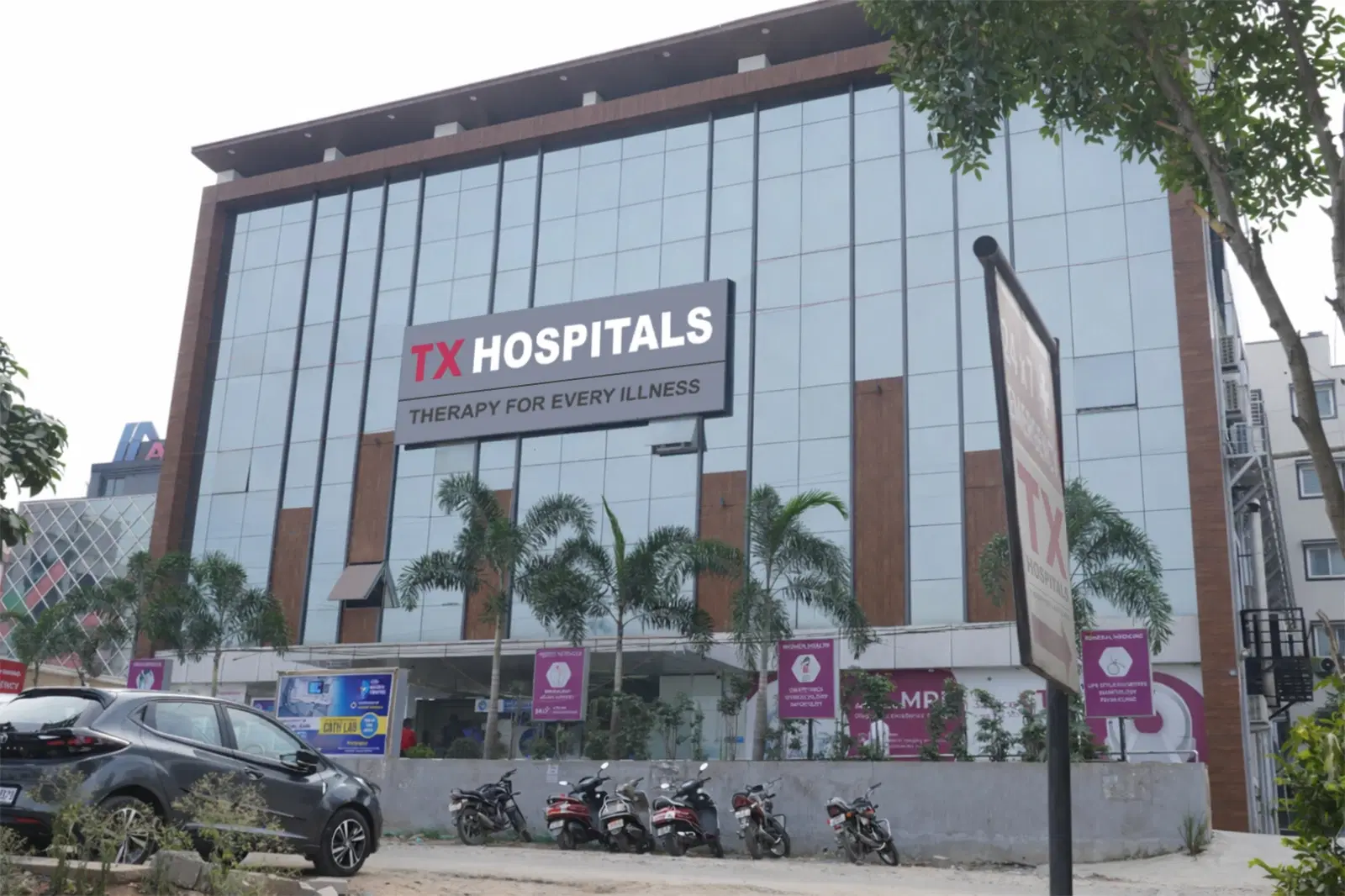
TX Hospitals, Miyapur
Our
Locations
Find the world-class hospital nearest to you.
TX Hospitals, Uppal
TX Hospitals, Kachiguda
TX Hospitals, Banjara Hills
TX Children Hospitals, Banjara Hills