Best Transposition of the Great Arteries Treatment in Hyderabad
If you are looking for Transposition of the Great Arteries Treatment in Hyderabad, expert-led, evidence-based pediatric cardiac care can help correct complex heart circulation issues, prevent life-threatening complications, and support healthy long-term outcomes with confidence.
Book an Appointment
Get expert consultation today
What is the Transposition of the Great Arteries?
Transposition of the Great Arteries is a congenital heart defect in which the two main arteries leaving the heart, the aorta and the pulmonary artery are abnormally switched in position. This structural abnormality causes oxygen-poor blood to circulate through the body while oxygen-rich blood is repeatedly sent to the lungs, leading to severe oxygen deficiency soon after birth. The condition primarily affects newborns and infants and can present with symptoms such as bluish skin discoloration, rapid breathing, poor feeding or extreme fatigue.
Types of Transposition of the Great Arteries
Transposition of the Great Arteries can present in different forms based on associated heart defects and blood flow patterns. Understanding the specific type helps pediatric cardiologists and cardiac surgeons plan timely and life-saving treatment
1. Dextro-Transposition of the Great Arteries (d-TGA)
This is the most common and severe form, where the aorta arises from the right ventricle and the pulmonary artery arises from the left ventricle. This results in oxygen-poor blood circulating through the body and oxygen-rich blood cycling through the lungs, requiring urgent intervention soon after birth.
2. d-TGA with Ventricular Septal Defect (VSD)
In this form, a hole between the ventricles allows some mixing of oxygen-rich and oxygen-poor blood. While this may temporarily improve oxygen levels, surgical correction is still required for long-term survival.
3. d-TGA with Pulmonary Stenosis
This type is associated with narrowing of the pulmonary valve or artery, affecting blood flow to the lungs. It can complicate the clinical presentation and requires specialized surgical planning.
4. Complex Transposition of the Great Arteries
Complex TGA involves additional congenital heart defects such as atrial septal defect, multiple VSDs, or valve abnormalities. These cases require advanced imaging, staged procedures, and highly specialized cardiac care.
Precise diagnosis, anatomical assessment, and surgical planning are guided by experienced congenital heart specialists at TX Hospitals, ensuring timely intervention, safe correction, and improved long-term outcomes for children with Transposition of the Great Arteries.
Causes and Risk Factors of Transposition of the Great Arteries
Transposition of the great arteries develops as a congenital heart defect in which the positions of the main arteries leaving the heart are reversed. This condition is present at birth and results in poor oxygen-rich blood circulation throughout the body.
Primary Causes
- Abnormal development of the heart during early fetal growth
- Incorrect formation of the great arteries
- Disrupted cardiac looping in embryonic stages
- Congenital structural defects of the heart
- Unknown developmental factors during pregnancy
Risk Factors
- Family history of congenital heart defects
- Maternal diabetes during pregnancy
- Maternal infections during early pregnancy
- Exposure to harmful substances during pregnancy
- Poor prenatal nutrition
- Advanced maternal age
- Lack of prenatal care
- Genetic or chromosomal abnormalities
Early identification and prevention strategies are supported by comprehensive care at TX Hospitals, one of the top cardiology hospitals in Hyderabad, India, helping newborns receive timely intervention and improved long-term cardiac outcomes.
Symptoms of Transposition of the Great Arteries: Warning Signs You Shouldn’t Ignore
Transposition of the Great Arteries (TGA) is a serious congenital heart defect present at birth, where the two main arteries leaving the heart are reversed. This condition limits oxygen-rich blood from reaching the body and requires early recognition and timely treatment.
Early Symptoms
- Bluish discoloration of lips, tongue, or skin (cyanosis)
- Rapid or labored breathing
- Poor feeding or difficulty feeding in infants
- Unusual fatigue or lethargy
- Poor weight gain
Advanced Symptoms
- Severe or persistent breathlessness
- Worsening cyanosis despite oxygen support
- Rapid or irregular heartbeat
- Swelling of legs, abdomen, or around the eyes
- Fainting or episodes of collapse
- Signs of heart failure
For timely diagnosis and life-saving intervention, patients can rely on expert care from Best Transposition Great Arteries Treatment Doctors in Hyderabad at TX Hospitals, ensuring early surgical correction, advanced pediatric cardiac care, and long-term heart protection.
How is Transposition of the Great Arteries Diagnosed at TX Hospitals?
Diagnosing Transposition of the Great Arteries involves a structured evaluation to identify abnormal positioning of major blood vessels, assess oxygen circulation, and plan timely corrective intervention.
Clinical Evaluation
Review of cyanosis (bluish skin), breathlessness, poor feeding in infants, and physical examination
Blood Tests
Oxygen saturation levels and arterial blood gas analysis
Electrocardiogram (ECG)
Detects chamber enlargement and electrical abnormalities
Echocardiography
Confirms abnormal connection of the aorta and pulmonary artery and evaluates associated defects
Chest X-ray
Assesses heart size and characteristic cardiac silhouette
Cardiac CT / MRI
Provides detailed anatomical mapping of great vessels and coronary arteries
Cardiac Catheterization
Performed when required to assess pressures and plan surgical correction
Patients benefit from precision diagnostics through the Best Cardiologists For Transposition Of The Great Arteries in India at TX Hospitals, ensuring accurate diagnosis, timely surgical planning, and improved long-term outcomes.
Transposition of the Great Arteries (TGA) Treatment Options: Medications, Procedures & Surgery
TX Hospitals offers comprehensive treatment options for Transposition of the Great Arteries, focusing on early stabilization, timely surgical correction, and long-term cardiac care to ensure healthy growth and improved survival outcomes.
Prostaglandin E1 Infusion
Keeps the ductus arteriosus open to improve oxygen mixing before surgery.
Inotropic Medications
Support heart function and maintain adequate circulation.
Diuretics
Reduce fluid overload and ease strain on the heart.
Antiarrhythmic Drugs
Control abnormal heart rhythms if present.
Antibiotics
Prevent or treat infections during prolonged hospital care.
Combination Therapy
Used to stabilize critically ill newborns prior to intervention.
of the Great Arteries (TGA) Cost in Hyderabad, helping families plan care with confidence while receiving advanced, life-saving congenital heart treatment at TX Hospitals.
Complications of Untreated Transposition of the Great Arteries (TGA)
Without timely treatment, transposition of the great arteries can severely limit oxygen delivery to the body, leading to life-threatening complications.
Physical Complications
- Severe oxygen deficiency (cyanosis)
- Heart failure in infancy
- Life-threatening heart rhythm disorders
- Poor growth and development
- Sudden cardiac complications
Psychological & Functional Impact
- Extreme fatigue and poor feeding in infants
- Delayed physical development
- Anxiety and emotional distress in caregivers
- Reduced activity tolerance as the child grows
- Lower overall quality of life
Prevention & Long-Term Heart Health Management
Lifelong medical care and healthy habits are essential for managing transposition of the great arteries and maintaining long-term heart function.
Follow a Balanced, Heart-Supportive Diet
Eat a nutritious diet rich in fruits, vegetables, whole grains, and lean proteins to support heart health and overall growth, especially after corrective surgery.
Engage in Age-Appropriate Physical Activity
Participate in physical activity as advised by the cardiologist to strengthen the heart while avoiding excessive strain on surgically corrected heart structures.
Maintain a Healthy Body Weight
Maintaining a healthy weight helps reduce stress on the heart and supports normal circulation over time.
Prevent Infections & Manage Stress
Preventing infections and maintaining emotional well-being help reduce strain on the heart and support long-term recovery.
Adhere to Lifelong Cardiac Medications & Follow-ups
Taking prescribed medications and following medical advice helps maintain stable heart function and prevents complications after surgery.
Attend Regular Congenital Heart Check-ups
Routine cardiac evaluations, echocardiograms, and lifelong follow-ups help monitor heart performance and detect changes early.
When to Seek Medical Help for Transposition of the Great Arteries
Consult a cardiologist immediately if you experience:
Bluish discoloration of lips, tongue, or skin (cyanosis)
Rapid or labored breathing
Poor feeding or difficulty gaining weight (in infants)
Extreme fatigue or lethargy
Rapid or irregular heartbeat
Fainting or low oxygen levels
Why Choose TX Hospitals for Transposition of the Great Arteries Treatment?
TX Hospitals is recognised as a top heart treatment hospital near me, offering advanced, patient-centric care for congenital heart conditions like Transposition of the Great Arteries (TGA).
Expert Specialists
Cardiology specialists near me with extensive experience in congenital heart disease management
Advanced Diagnostics
Detailed fetal and pediatric echocardiography, cardiac imaging, and precision monitoring
24/7 Emergency Cardiac Care
Immediate response for newborns and children with critical heart conditions
Tailored Treatment Plans
Individualised medical stabilisation, surgical correction, and long-term cardiac follow-up
Cutting-Edge Technology
State-of-the-art pediatric cardiac ICUs and advanced surgical infrastructure
Affordable Care
Transparent and patient-friendly transposition of the great arteries treatment costs
TX Hospitals ensures every patient receives complete support—from early diagnosis to lifelong cardiac care.
Take the First Step Toward a Healthier Heart
Protect your child’s heart with expert care from TX Hospitals. With guidance from experienced cardiology specialists near you, Transposition of the Great Arteries can be effectively treated, ensuring better outcomes and improved quality of life.
Call +919144514459
Frequently Asked Questions (FAQs)
Transposition of the Great Arteries (TGA) is a congenital heart defect where the aorta and pulmonary artery are switched, leading to poor oxygen supply to the body.
Symptoms include bluish skin (cyanosis), rapid breathing, poor feeding, fatigue, and low oxygen levels in newborns.
It is caused by abnormal heart development during pregnancy. Risk factors include maternal diabetes, infections, genetics, and poor prenatal care.
Diagnosis is done using echocardiography, oxygen level tests, ECG, chest X-ray and cardiac imaging like CT or MRI.
Surgery is required soon after birth, especially in severe cases, to restore normal blood circulation.
Yes, it is a standard and highly successful procedure with excellent outcomes when performed early by experienced surgeons.
No, TGA usually requires surgical correction. Medications are used only for temporary stabilization.
Untreated TGA can lead to severe oxygen deficiency, heart failure, and can be fatal within days or weeks.
Yes, it can often be detected through fetal echocardiography before birth.
TX Hospitals offers expert pediatric cardiologists, advanced neonatal cardiac care, 24/7 emergency support and high surgical success rates.
You can call +91 9144514459 to schedule a consultation with a pediatric cardiac specialist. Emergency care is available round-the-clock.
Our Locations
Find Hospital Near You
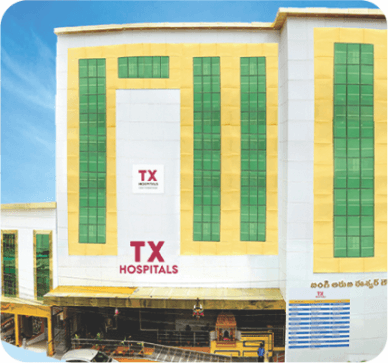
TX Hospitals, Uppal

TX Hospitals, Kachiguda

TX Hospitals, Banjara Hills
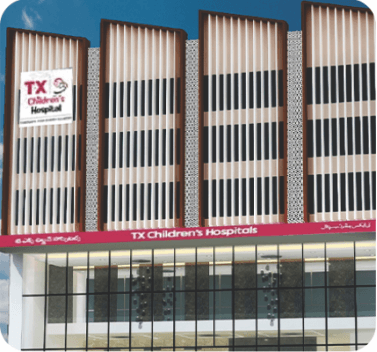
TX Children Hospitals, Banjara Hills

TX Hospitals, Miyapur
Our
Locations
Find the world-class hospital nearest to you.

TX Hospitals, Uppal
TX Hospitals, Kachiguda
TX Hospitals, Banjara Hills
TX Children Hospitals, Banjara Hills