Best Ventricular Septal Defect (VSD) Treatment in Hyderabad, India
If you are looking for Ventricular Septal Defect (VSD) Treatment in Hyderabad, India, expert-led, evidence-based pediatric and adult cardiac care can help correct the defect and support healthy long-term outcome.
Book an Appointment
Get expert consultation today
What is Ventricular Septal Defect (VSD)?
Ventricular Septal Defect (VSD) is a congenital heart condition in which there is an abnormal opening in the wall (septum) separating the heart’s lower chambers. This opening allows oxygen-rich and oxygen-poor blood to mix, causing the heart to work harder and placing strain on the lungs and heart muscle. VSD can affect infants, children, and adults, with symptoms ranging from poor weight gain and breathlessness in babies to fatigue and recurrent respiratory infections later in life.
Types of Ventricular Septal Defect (VSD)
Ventricular septal defect presents in different forms based on the size, location, and impact of the opening between the heart’s lower chambers. Understanding the specific type helps pediatric and adult cardiologists determine the most appropriate treatment approach.
1. Small Ventricular Septal Defect
Small VSDs cause minimal blood flow disturbance and may not produce noticeable symptoms. Many small defects close naturally over time, especially in infants and children, but regular monitoring is essential.
2. Moderate Ventricular Septal Defect
Moderate VSDs allow increased blood flow between the ventricles, which can lead to symptoms such as breathlessness, fatigue, or poor weight gain in children. Medical management and close follow-up are often required to decide the timing of intervention.
3. Large Ventricular Septal Defect
Large VSDs cause significant blood flow imbalance, placing strain on the heart and lungs. This type often leads to heart failure symptoms and pulmonary hypertension if left untreated and usually requires surgical correction.
4. Multiple Ventricular Septal Defects
In this form, more than one opening is present in the ventricular septum. These defects can be complex and may significantly affect heart function, often requiring specialized surgical planning and care.
Specific evaluation, surgical decision-making, and long-term management are strengthened with the expertise available from the Best Hospital for Ventricular Septal Defect Surgery in Hyderabad at TX Hospitals, helping patients receive timely, precise, and life-saving cardiac care.
Symptoms of Ventricular Septal Defect (VSD): Warning Signs You Shouldn’t Ignore
Ventricular Septal Defect (VSD) is a congenital heart condition marked by a hole in the wall separating the heart’s lower chambers. Small defects may cause few symptoms early on, but larger or untreated VSDs can lead to serious complications over time.
Early Symptoms
- Rapid breathing or shortness of breath during activity
- Poor feeding or slow weight gain in infants
- Easy fatigability
- Frequent respiratory infections
- Mild sweating with exertion
Advanced Symptoms
- Persistent breathlessness even at rest
- Fast or irregular heartbeat
- Swelling of feet, ankles, or abdomen
- Bluish discoloration of lips or fingers (cyanosis)
- Signs of heart failure such as severe fatigue or fainting
For accurate evaluation and timely correction, patients can rely on expert care offering Best Treatment for Ventricular Septal Defect (VSD) in Hyderabad at TX Hospitals, ensuring precise diagnosis, advanced intervention, and long-term heart health.
How is Ventricular Septal Defect (VSD) Diagnosed at TX Hospitals?
Diagnosing a Ventricular Septal Defect requires detailed structural heart evaluation to determine defect size, location, blood flow shunting, and its impact on heart function. At TX Hospitals, diagnosis follows a structured pediatric- and adult-specific approach to guide timely intervention.
Clinical Evaluation
Assessment of breathlessness, poor weight gain in children, recurrent respiratory infections, fatigue, or heart murmur
Physical Examination
Cardiac auscultation to detect characteristic murmurs, pulse assessment, and oxygen saturation monitoring
Medical History Review
Congenital heart disease history, maternal health during pregnancy, and genetic factors
Blood Tests
Oxygen levels, hemoglobin, and infection markers if required
Imaging Tests
Transthoracic echocardiography to identify defect size, location, and shunt direction
Advanced Cardiac Imaging
Transesophageal echocardiography or cardiac MRI for complex or multiple defects
Cardiac Catheterization
Performed when needed to assess pulmonary pressures and plan surgical or device closure
Patients benefit from accurate structural diagnosis and expert planning through Ventricular Septal Defects Treatment Hospital in Hyderabad at TX Hospitals, ensuring safe correction, improved heart function, and long-term outcomes for both children and adults.
Ventricular Septal Defect (VSD) Treatment Options: Medications, Procedures & Surgery
Ventricular Septal Defect is a congenital heart condition that may require careful monitoring or timely intervention depending on defect size and symptoms. Early diagnosis and appropriate treatment help prevent complications such as heart failure, pulmonary hypertension, and growth delays. TX Hospitals offers comprehensive care for infants, children, and adults with VSD through structured, stage-wise treatment planning.
Diuretics
Reduce excess fluid and ease strain on the heart and lungs.
ACE Inhibitors
Lower blood pressure and reduce heart workload.
Digoxin
Strengthens heart contractions in selected pediatric cases.
Pulmonary Hypertension Medications
Used when increased lung pressure is present.
Combination Therapy
Prescribed when symptoms persist or complications develop.
Patients receive expert, child-friendly and adult congenital heart care from the Best Ventricular Septal Defect repair Doctors in Hyderabad at TX Hospitals, ensuring safe correction, clear guidance, and long-term heart health.
Complications of Untreated Ventricular Septal Defect (VSD)
If a Ventricular Septal Defect is left untreated, abnormal blood flow between the heart chambers can place excessive strain on the heart and lungs, leading to progressive and serious complications over time.
Physical Complications
- Heart failure due to chronic volume overload
- Pulmonary hypertension from increased lung blood flow
- Recurrent respiratory infections
- Poor growth and weight gain in infants and children
- Irregular heart rhythms (arrhythmias)
- Increased risk of infective endocarditis
Psychological & Functional Impact
- Delayed physical development in children
- Reduced exercise tolerance and easy fatigue
- Anxiety related to breathlessness or frequent illness
- Learning or concentration difficulties due to poor oxygen delivery
- Reduced ability to participate in daily activities
- Lower overall quality of life
Prevention & Lifestyle Management
Healthy routines help support heart function, reduce symptoms, and prevent long-term complications in Ventricular Septal Defect (VSD).
Eat Heart-Healthy Meals
Include balanced foods rich in fruits, vegetables, whole grains, and lean proteins. Limit excess salt and processed foods to reduce fluid overload on the heart.
Engage in Safe Physical Activity
Participate in age-appropriate and doctor-recommended physical activities to support overall heart health without overstraining the heart.
Maintain Healthy Weight
Keep body weight within a healthy range to reduce additional workload on the heart and improve daily energy levels.
Prevent & Manage Infections
Maintain good dental hygiene and seek timely treatment for infections to lower the risk of infective endocarditis, especially in unrepaired VSD.
Follow Medical Advice & Medications
Take prescribed medications as directed and adhere to activity or dietary guidelines provided by your cardiologist.
Attend Regular Cardiac Check-ups
Schedule routine heart evaluations, echocardiograms, and follow-ups to monitor heart function and detect complications early.
When to Seek Medical Help for Ventricular Septal Defect (VSD)
You should contact a doctor if you experience:
Shortness of breath
Chest discomfort
Easy fatigue during routine activities
Recurrent respiratory infections
Poor weight gain or growth (in children)
Irregular heartbeat
Swelling in legs or abdomen
Bluish discoloration of lips or fingers
Why Choose TX Hospitals for Ventricular Septal Defect (VSD) Treatment in Hyderabad?
TX Hospitals is recognised for its comprehensive, evidence-based and patient-first approach to managing Ventricular Septal Defect (VSD). With excellence drawn from leading Cardiac Hospitals near me, patients experience coordinated care from early diagnosis to long-term heart function stabilization.
Expert Specialists
Skilled cardiologists and congenital heart disease specialists offering personalised care.
Advanced Diagnostics
Modern echocardiography, cardiac imaging, and precision heart function assessments.
24/7 Emergency Care
Immediate support for heart failure symptoms or sudden complications.
Tailored Treatment Plans
Individualised monitoring, medication, and surgical or device-based closure programs.
Cutting-Edge Technology
State-of-the-art cardiac care units and ICU backup.
Affordable Care
Transparent, patient-friendly VSD treatment costs.
TX Hospitals ensures every patient feels valued, informed and supported through every stage of care.
Take the First Step Toward Better Heart Health
Take control of your heart health today with expert support from TX Hospitals. With guidance from Top Cardiologist Doctors in Hyderabad, Ventricular Septal Defect can be managed safely and confidently.
Call 9144514459 to book your consultation and begin your journey toward improved heart function and long-term wellness.
Frequently Asked Questions (FAQs)
VSD is a congenital heart defect where there is a hole in the wall separating the heart’s lower chambers, causing abnormal blood flow.
Symptoms include breathlessness, poor weight gain, fatigue, frequent infections, fast heartbeat and in severe cases, bluish skin.
VSD occurs due to abnormal heart development during pregnancy. Genetic factors and maternal health conditions may increase risk.
It is diagnosed using echocardiography, ECG, chest X-ray and sometimes cardiac MRI or catheterization.
Surgery is needed for moderate to large VSDs, especially if symptoms, heart strain, or pulmonary hypertension are present.
Yes, VSD repair has a high success rate when performed by experienced cardiac surgeons.
Untreated VSD can lead to heart failure, pulmonary hypertension, infections, and poor growth in children.
Yes, some VSDs persist into adulthood or are diagnosed later, requiring evaluation and treatment.
Regular check-ups, timely treatment, infection prevention and following medical advice can reduce complications.
TX Hospitals offers expert cardiologists, advanced diagnostics, 24/7 care and personalized treatment with high success rates.
Call +919144514459 to schedule a consultation with a heart specialist. Emergency care is available 24/7.
Our Locations
Find Hospital Near You
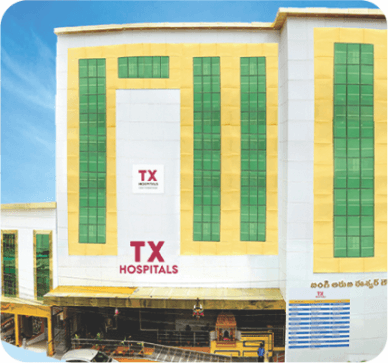
TX Hospitals, Uppal
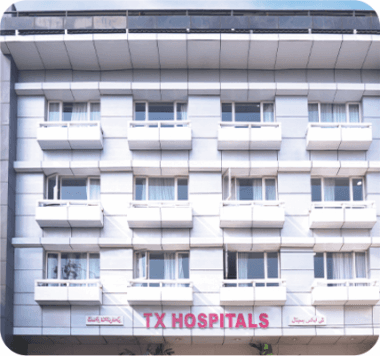
TX Hospitals, Kachiguda
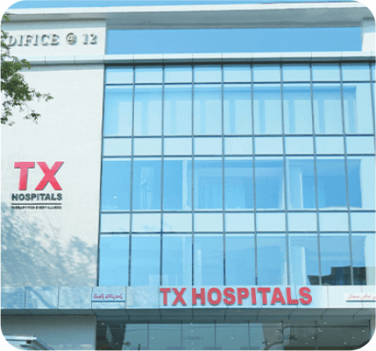
TX Hospitals, Banjara Hills
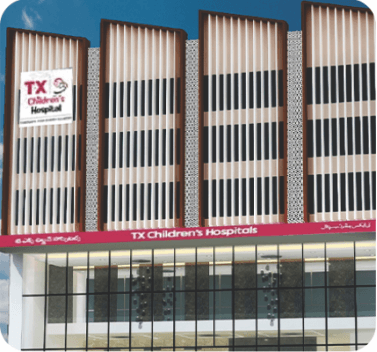
TX Children Hospitals, Banjara Hills
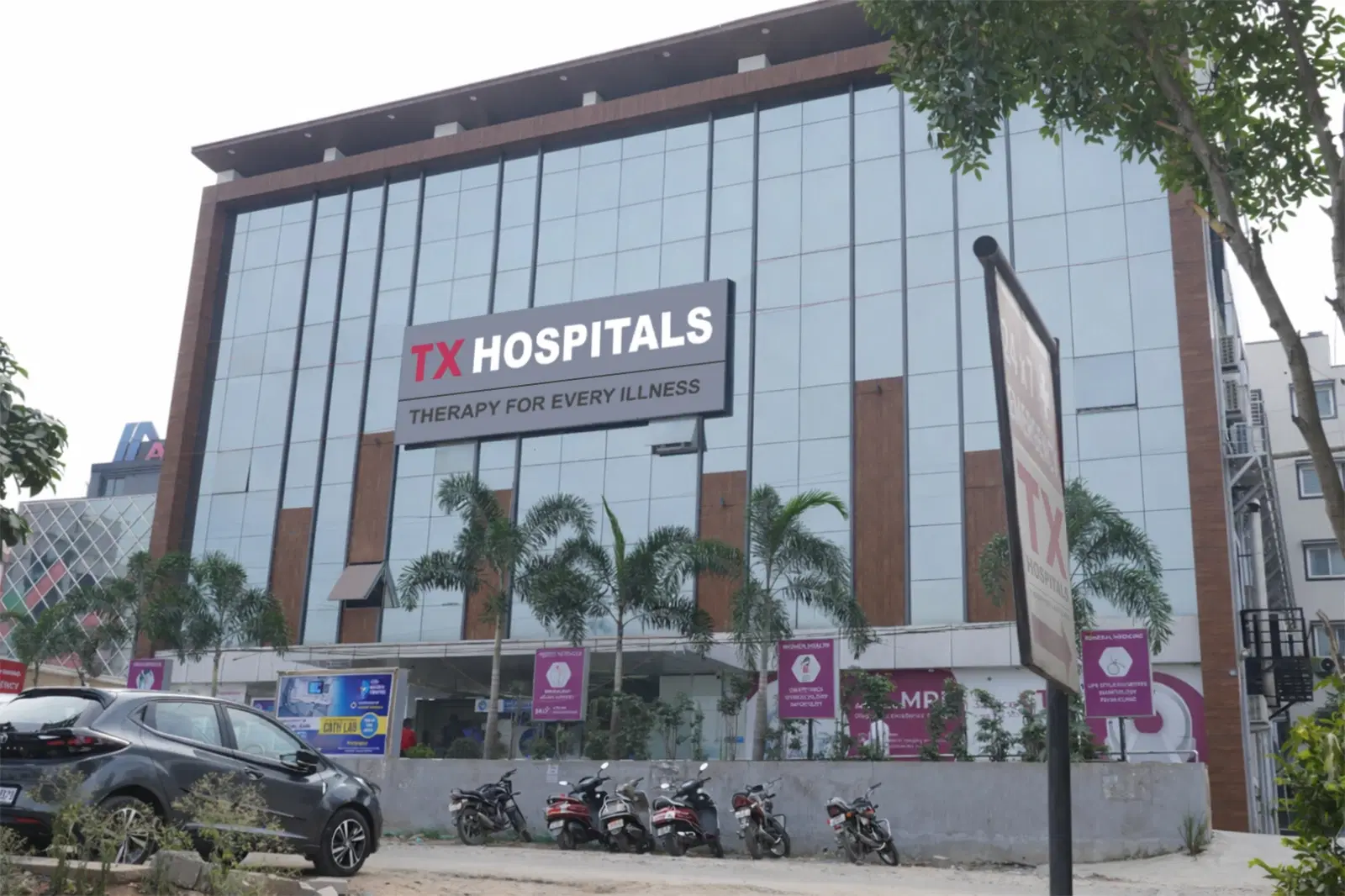
TX Hospitals, Miyapur
Our
Locations
Find the world-class hospital nearest to you.

TX Hospitals, Uppal
TX Hospitals, Kachiguda
TX Hospitals, Banjara Hills
TX Children Hospitals, Banjara Hills