Atherectomy procedure in hyderabad
At TX Hospitals, Atherectomy uses advanced interventional techniques to remove arterial plaque, improve blood flow, and support safe, precise treatment under expert cardiology care and advanced imaging guidance.
Top cardiology hospitals in Hyderabad
Top Cardiac Doctor in Hyderabad
Book an Appointment
Get expert consultation today
Why the Atherectomy is Needed? ?
This procedure is advised when hardened or heavily calcified plaque within the arteries restricts blood flow and limits the effectiveness of standard angioplasty or stenting. Common reasons include:
- Severe or heavily calcified coronary or peripheral artery blockages.
- Arterial plaques that cannot be adequately treated with balloon angioplasty alone.
- Recurrent artery narrowing after previous angioplasty or stent placement.
- Improvement of blood flow to relieve symptoms such as chest pain, leg pain, or reduced exercise tolerance.
- Preparation of the artery to allow safe and effective stent deployment.
- Management of complex arterial lesions in high-risk or elderly patients.
- Prevention of complications related to poor stent expansion in calcified vessels.
- Reducing the risk of long-term vascular complications and improving procedural success.
Timely treatment with Atherectomy, offered at the best atherectomy hospitals in Hyderabad, enables precise plaque removal, improved circulation, and better long-term outcomes with advanced vascular care at TX Hospitals.
Conditions Treated with Atherectomy
Atherectomy is a minimally invasive interventional cardiology procedure used to remove hardened plaque from narrowed coronary arteries and restore healthy blood flow to the heart. It is recommended for patients with:
- Severely calcified coronary artery disease
- Heavily blocked arteries not suitable for routine angioplasty
- Narrowed arteries with hard or fibrotic plaque
- Recurrent blockage after previous stenting
- High-risk coronary lesions requiring plaque modification
- Chronic total occlusions (selected cases)
- Angina (chest pain) due to severe arterial narrowing
- Patients requiring improved vessel preparation before stent placement
Symptoms Atherectomy Addresses
Atherectomy is performed to remove hardened plaque from narrowed or blocked arteries when blood flow is significantly reduced. This procedure helps evaluate and manage symptoms caused by severe arterial disease, including:
- Persistent chest pain or angina not relieved by medications
- Shortness of breath during physical activity
- Leg pain or cramping while walking (claudication)
- Numbness or weakness in the limbs due to poor circulation
- Non-healing wounds or ulcers caused by reduced blood flow
- Fatigue related to inadequate oxygen delivery to tissues
- Recurrent symptoms despite prior angioplasty or stenting
By precisely clearing arterial blockages and restoring smooth blood flow, TX Hospitals offers advanced vascular care through the atherectomy procedure near me, helping patients achieve better circulation and long-term symptom relief.
Risks of Avoiding Atherectomy
Avoiding a recommended Atherectomy can lead to:
Progressive buildup of hardened plaque in arteries
severely restricting blood flow.
Worsening coronary or peripheral artery disease
increasing the risk of heart attack or limb complications.
Persistent chest pain or leg pain
limiting daily activities and mobility.
Higher risk of complete arterial blockage
which may result in sudden cardiac events or limb ischemia.
Reduced effectiveness of balloon angioplasty or stenting
due to untreated calcified plaques.
Increased likelihood of emergency interventions
including major surgery or limb-threatening situations.
Permanent damage to the heart or affected limbs
caused by prolonged reduced blood supply.
Delaying treatment with the atherectomy procedure in Hyderabad may allow the disease to progress to a stage where minimally invasive options are no longer possible.
Types of Atherectomy Procedures
There are different types of Atherectomy procedures, selected based on the location of arterial blockage, plaque composition, and overall vascular health:
Directional Atherectomy
Uses a cutting blade to precisely remove plaque from the artery walls, often recommended for eccentric or irregular blockages.
Rotational Atherectomy
Employs a high-speed rotating burr to break down hard, calcified plaque into tiny particles, commonly used in heavily calcified coronary arteries.
Orbital Atherectomy
Uses an eccentrically rotating crown to sand away calcium deposits while preserving the arterial wall, suitable for complex calcified lesions.
Laser Atherectomy
Utilizes laser energy to vaporize plaque and thrombus, particularly useful in long-standing blockages or previously treated arteries.
At TX Hospitals, Skilled Interventional Cardiologists carefully evaluate each case to recommend the most appropriate atherectomy in Hyderabad, ensuring precision, safety, and improved blood flow outcomes.
Ready to Schedule Your Procedure?
Our team is here to answer your questions and guide you through the process.
How the Procedure is Performed
Here’s a detailed overview of the Atherectomy process:
Preparation
- Patients undergo thorough cardiac evaluation including coronary angiography, ECG, blood tests, and imaging to identify plaque buildup within the arteries.
- Fasting is advised for several hours prior to the procedure.
- Existing medications are reviewed, and certain drugs such as blood thinners may be adjusted temporarily.
- The procedure, benefits, and potential risks are explained clearly to ensure patient understanding and informed consent.
The Procedure
- Atherectomy is performed in a cardiac catheterization laboratory under local anesthesia with mild sedation.
- A small catheter is inserted through a blood vessel, commonly from the groin or wrist.
- Using real-time imaging guidance, the catheter is advanced to the narrowed or blocked artery.
- A specialized atherectomy device is used to shave, cut, or remove hardened plaque from the artery walls.
- This helps restore blood flow and prepares the artery for balloon angioplasty or stent placement if required.
- The removed plaque is safely collected, and the catheter is carefully withdrawn after treatment.
Post-Procedure
- Patients are monitored for heart rhythm, blood pressure, and access-site complications.
- Mild soreness or bruising at the catheter site may occur but usually resolves quickly.
- Most patients experience improved blood flow and relief from symptoms such as chest pain.
- Discharge may occur within a day, depending on overall condition and associated procedures.
Procedure Duration
The Atherectomy procedure typically takes 1 to 2 hours. Including preparation and recovery, the total hospital visit may take several hours. Many patients choose treatment at Top Cardiology Hospitals in Hyderabad for access to advanced interventional technology and Experienced Cardiac Specialists.
Benefits of the Procedure
Atherectomy offers effective benefits for patients with complex or heavily calcified coronary artery disease:
- Removes plaque buildup from arteries to restore smoother blood flow
- Especially useful for severely calcified or hard-to-treat blockages
- Improves the success and safety of angioplasty and stent placement
- Reduces symptoms such as chest pain and shortness of breath
- Minimally invasive, catheter-based procedure
- Enhances long-term treatment outcomes in selected patients
Recovery & Aftercare
Recovery after an atherectomy procedure is generally smooth and well managed:
- Patients are monitored closely for a short period after the procedure
- Mild soreness or bruising at the catheter insertion site may occ
- Light activities are advised for a brief recovery period
- Medications may be prescribed to support artery health and prevent clotting
- Follow-up appointments help assess recovery and treatment success
At TX Hospitals, our interventional cardiology team performs atherectomy using advanced techniques and precision-guided technology. With care led by a Top Cardiac Doctor in Hyderabad, we focus on safe plaque removal, improved blood flow, and long-term heart health outcomes.
Why Choose TX Hospitals for Atherectomy ?
When it comes to Atherectomy, expertise, precision technology, and experienced hands make all the difference and TX Hospitals is trusted for delivering advanced interventional cardiac care:
TX Hospitals is recognized as a leading center for advanced coronary interventions in Hyderabad, committed to delivering safer procedures, better outcomes, and long-term heart health for patients with complex arterial disease.
Remove Stubborn Artery Blockages with Advanced Atherectomy Treatment
Calcified and complex coronary blockages require precision care. Atherectomy safely removes hardened plaque, restoring smoother blood flow and improving procedural success.
At TX Hospitals, Hyderabad, our Expert Interventional Cardiologists perform atherectomy using advanced technology and patient-focused safety.
Remove the blockage. Restore circulation. Protect your heart health.
Frequently Asked Questions (FAQs)
Our Locations
Find Hospital Near You
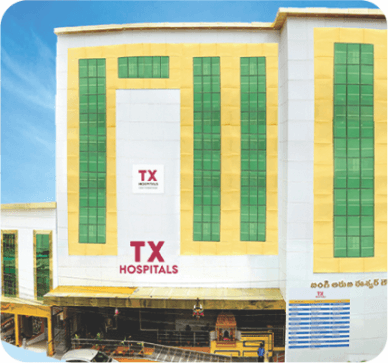
TX Hospitals, Uppal

TX Hospitals, Kachiguda

TX Hospitals, Banjara Hills

TX Children Hospitals, Banjara Hills

TX Hospitals, Miyapur
Our
Locations
Find the world-class hospital nearest to you.

TX Hospitals, Uppal
TX Hospitals, Kachiguda
TX Hospitals, Banjara Hills
TX Children Hospitals, Banjara Hills