PDA Closure procedure in hyderabad
At TX Hospitals, PDA closure is performed using advanced catheter-based techniques to safely close the abnormal vessel, restore normal blood circulation, and support healthy heart function under expert cardiac care.
Top cardiac hospitals in Hyderabad
Cardiac surgeons in Hyderabad
Book an Appointment
Get expert consultation today
What is PDA Closure?
Patent Ductus Arteriosus (PDA) closure is a specialized cardiac procedure used to treat a congenital heart defect in which an abnormal blood vessel (ductus arteriosus) remains open after birth. This opening causes abnormal blood flow between the aorta and pulmonary artery, placing extra strain on the heart and lungs. PDA closure helps restore normal circulation and prevents long-term complications such as heart failure, pulmonary hypertension, and recurrent respiratory infections.
The procedure is usually performed using a minimally invasive, catheter-based technique. A small device or coil is guided through a blood vessel to close the abnormal opening without the need for open-heart surgery. PDA closure is safe, effective, and commonly recommended for infants, children, and select adults depending on defect size and symptoms.
At TX Hospitals, PDA closure is performed by Experienced Pediatric and Interventional Cardiologists using advanced imaging guidance and international care protocols. Patients seeking trusted PDA heart defect treatment in Hyderabad can rely on TX Hospitals for accurate diagnosis, safe intervention, and comprehensive congenital heart care.
Conditions Treated with PDA Closure Surgery
Patent Ductus Arteriosus (PDA) closure is a corrective heart procedure performed to close an abnormal blood vessel between the aorta and pulmonary artery, commonly present from birth. PDA heart surgery in Hyderabad is recommended for patients with:
- Congenital Patent Ductus Arteriosus
- Excessive blood flow to the lungs
- Breathlessness or poor weight gain in infants and children
- Recurrent respiratory infections
- Heart failure due to untreated PDA
- Pulmonary hypertension caused by prolonged PDA
- Fatigue or reduced exercise tolerance in adults
- Risk of infective endocarditis due to PDA
Symptoms PDA Closure Addresses
PDA closure is performed to treat patent ductus arteriosus, a congenital heart defect that causes abnormal blood flow between major blood vessels. This procedure helps identify and address symptoms such as:
- Rapid or difficult breathing, especially in infants and children
- Poor weight gain or feeding difficulties in babies
- Frequent respiratory infections
- Easy fatigue during feeding or physical activity
- Excessive sweating, particularly while feeding
- Heart murmurs detected during routine examination
- Signs of heart failure if left untreated
By correcting abnormal blood circulation and reducing strain on the heart and lungs, TX Hospitals provides safe and effective treatment guided by the Best pediatric cardiologist for PDA closure in Hyderabad, ensuring healthier growth and improved long-term outcomes for children
Risks of Avoiding PDA Closure
Avoiding a recommended PDA closure can lead to:
Persistent abnormal blood flow between the major arteries
placing excess strain on the heart and lungs.
Progressive enlargement of the heart
leading to long-term cardiac dysfunction.
Development of pulmonary hypertension
which may become irreversible if left untreated.
Recurrent respiratory infections and poor weight gain in children
affecting normal growth and development.
Increased risk of heart failure
even in young patients.
Higher chances of infective endocarditis
a serious heart infection.
Reduced exercise tolerance and fatigue
limiting a child’s daily activities and quality of life.
Delaying care at the Best children’s heart hospital in Hyderabad for PDA may result in permanent heart and lung damage and limit future treatment options.
Types of PDA Closure Procedures
There are different types of PDA (Patent Ductus Arteriosus) closure procedures, chosen based on the patient’s age, duct size, and overall heart anatomy:
Device Closure (Transcatheter PDA Closure)
A minimally invasive procedure where a special closure device is delivered through a catheter to seal the abnormal blood vessel without open surgery.
Coil Embolization
Used for small PDAs, this technique involves placing tiny coils within the duct to block abnormal blood flow and promote natural closure.
Surgical PDA Ligation
Recommended when catheter-based closure is not suitable, especially in premature infants or large PDAs, involving direct surgical closure of the duct.
Hybrid PDA Closure
Combines catheter-based techniques with limited surgical access in complex or high-risk cases for safe and effective closure.
At TX Hospitals, experienced pediatric and adult cardiology teams provide advanced care at a trusted PDA closure hospital near you in Hyderabad, ensuring safe correction and healthy heart outcomes for every patient.
Ready to Schedule Your Procedure?
Our team is here to answer your questions and guide you through the process.
How the Procedure is Performed
Here’s a detailed overview of the PDA closure process:
Preparation
- Patients undergo detailed cardiac evaluation including echocardiography, chest X-ray, ECG, and blood tests to confirm the presence and size of patent ductus arteriosus.
- In pediatric patients, additional assessments are done to evaluate weight, oxygen levels, and overall health status.
- Fasting is advised for several hours before the procedure.
- The procedure, expected outcomes, and possible risks are explained clearly to parents or patients to ensure informed consent.
The Procedure
- PDA device closure is performed in a cardiac catheterization laboratory under local anesthesia or general anesthesia, especially in children.
- A thin catheter is inserted through a blood vessel, usually from the groin.
- Using fluoroscopy and echocardiographic guidance, the catheter is advanced to the heart.
- A specially designed closure device is positioned across the PDA opening.
- Once correctly placed, the device is released to seal the abnormal connection between the aorta and pulmonary artery.
- Proper device position and blood flow are confirmed before catheter removal.
Post-Procedure
- Patients are monitored closely for heart rhythm, oxygen levels, and access-site complications.
- Mild discomfort or bruising at the insertion site may occur but usually resolves quickly.
- Most patients, including children, show rapid recovery and improvement in symptoms.
Procedure Duration
The PDA closure procedure typically takes 1 to 2 hours. Including preparation, recovery, and observation, the overall hospital stay is usually short. The PDA device closure cost in Hyderabad may vary depending on patient age, device type, and associated cardiac care requirements.
Benefits of the Procedure
PDA (Patent Ductus Arteriosus) closure offers significant benefits for infants, children, and adults with this congenital heart condition:
- Closes abnormal blood flow between the aorta and pulmonary artery
- Prevents complications such as heart failure, lung hypertension, and recurrent infections
- Improves oxygen circulation and overall heart efficiency
- Minimally invasive, catheter-based procedure in most cases
- Avoids the need for open-heart surgery in suitable patients
- Enhances growth, development, and long-term cardiac health
Recovery & Aftercare
Recovery after PDA closure is generally quick and well tolerated:
- Short hospital stay with close post-procedure monitoring
- Mild discomfort at the catheter insertion site may occur temporarily
- Most patients can resume normal activities within a few days
- Medications may be prescribed for a short duration as advised
- Follow-up echocardiography ensures successful closure and heart function
At TX Hospitals, our pediatric and adult congenital heart specialists provide precise diagnosis, safe closure techniques, and compassionate post-procedure care. Recognised among the Top Cardiac Hospitals in Hyderabad, we are committed to delivering advanced congenital heart treatments with excellent outcomes and long-term follow-up support.
Why Choose TX Hospitals for PDA Closure ?
When it comes to PDA closure, expert surgical judgment, advanced technology, and compassionate care are essential and TX Hospitals is equipped to deliver all three with excellence:
TX Hospitals is a trusted destination for congenital heart disease management in Hyderabad, committed to safe PDA closure, improved heart function, and better long-term outcomes for patients of all ages.
Close the Heart Defect Early with PDA Closure Treatment
A Patent Ductus Arteriosus can strain the heart if left untreated. PDA closure is a safe, effective procedure to correct abnormal blood flow.
At TX Hospitals, Hyderabad, our cardiac specialists provide precise, child- and adult-friendly PDA closure care.
Close the defect. Protect the heart. Secure a healthier future.
Frequently Asked Questions (FAQs)
Our Locations
Find Hospital Near You
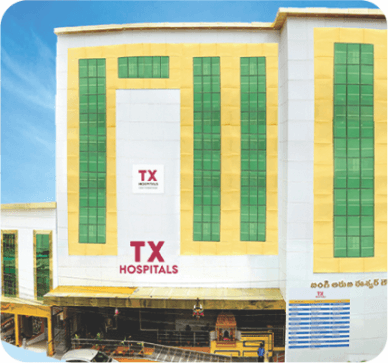
TX Hospitals, Uppal

TX Hospitals, Kachiguda

TX Hospitals, Banjara Hills

TX Children Hospitals, Banjara Hills

TX Hospitals, Miyapur
Our
Locations
Find the world-class hospital nearest to you.

TX Hospitals, Uppal
TX Hospitals, Kachiguda
TX Hospitals, Banjara Hills
TX Children Hospitals, Banjara Hills