Coronary Artery Bypass Grafting (CABG) at TX Hospitals, Hyderabad
At TX Hospitals, Coronary Artery Bypass Grafting (CABG) is performed with advanced cardiac surgical techniques, precision and comprehensive patient care. Our cardiac care team focuses on improving blood flow to the heart, managing blocked coronary arteries and supporting better heart health through personalized treatment.
Book an Appointment
Get expert consultation today
Why the the Procedure is Needed
Coronary Artery Bypass Grafting is recommended when coronary arteries become severely narrowed or blocked, affecting the blood supply to the heart. Common reasons include:
- Severe coronary artery blockages that restrict blood flow to the heart muscle.
- Multiple blocked arteries that require surgical treatment to restore blood circulation.
- Persistent chest pain (angina) that does not improve with medications or other treatments.
- Left main coronary artery disease, where a major artery supplying the heart is significantly narrowed.
- Reduced heart function due to inadequate blood supply to the heart muscle.
- Diabetes with complex coronary artery disease, where bypass surgery may be preferred in selected patients.
- Previous angioplasty or stenting that was unsuccessful or when further intervention is not suitable.
By improving blood flow to the heart, CABG can help reduce chest pain and lower the risk of future complications. At TX Hospitals, our best heart specialists in Hyderabad assess each patient's condition and guide them towards the most suitable treatment.
Conditions Treated
Coronary Artery Bypass Grafting is primarily performed to treat coronary artery disease and related conditions, including:
- Coronary artery disease (CAD)
- Multiple coronary artery blockages
- Left main coronary artery disease
- Severe narrowing of coronary arteries
- Multivessel coronary artery disease
- Coronary artery disease associated with diabetes
- Ischemic heart disease
- Reduced blood supply to the heart muscle
Symptoms It Addresses
CABG helps improve blood flow to the heart, which may relieve symptoms caused by restricted coronary circulation, including:
- Chest pain or pressure (angina)
- Shortness of breath during physical activity
- Unusual tiredness or fatigue
- Pain spreading to the arms, shoulders, neck or jaw
- Dizziness or lightheadedness
- Reduced ability to perform daily activities
- Discomfort or tightness in the chest during exertion
Early diagnosis and timely treatment of blocked heart arteries can help prevent serious complications. At TX Hospitals, experienced cardiothoracic and vascular surgeons in Hyderabad provide proper evaluation and recommend treatment based on each patient's heart condition.
Risks of Avoiding the Procedure
Avoiding or delaying recommended CABG surgery in patients with severe coronary artery disease can lead to:
Chest pain
Worsening chest pain, due to reduced blood flow to the heart.
Heart attack
Increased risk of heart attack, caused by severe coronary artery blockages.
Muscle damage
Heart muscle damage, due to prolonged lack of oxygen supply.
Heart failure
Heart failure, when the heart becomes too weak to pump blood effectively.
Irregular heart rhythms
Irregular heart rhythms, which may affect normal heart function.
Reduced physical activity
Reduced physical activity, making everyday tasks more difficult.
Life-threatening complications
Life-threatening complications, in cases of severe or untreated coronary artery disease.
Delaying appropriate treatment can increase the risk of serious heart problems. At TX Hospitals, one of the best cardiothoracic and vascular surgery hospitals in Hyderabad, specialists assess the severity of coronary artery disease and recommend suitable treatment based on each patient's condition.
Types of Coronary Artery Bypass Grafting Procedures
There are different types of CABG surgery depending on how the procedure is performed and the patient's heart condition.
On-pump CABG
A heart-lung machine is used to keep blood and oxygen flowing through the body while the heart is temporarily stopped during surgery.
Off-pump CABG
The surgery is performed while the heart continues beating. A heart-lung machine is not used.
Minimally invasive CABG
The surgeon makes small cuts in the chest to reach the heart and perform the bypass, instead of opening the entire chest.
The surgeon decides which type of bypass surgery is most suitable based on the number of blocked arteries, heart condition and overall health of the patient.
Ready to Schedule Your Procedure?
Our team is here to answer your questions and guide you through the process.
How the Procedure is Performed
Here's a step-by-step overview of the Coronary Artery Bypass Grafting process:
Preparation
- Patients undergo ECG, echocardiography and coronary angiography to assess heart function and identify blocked arteries.
- Blood tests and other medical evaluations are performed before surgery.
- The cardiac surgeon reviews the patient's medical history, medications and overall health.
- Patients are advised to avoid eating or drinking for a specified period before surgery.
The Procedure
- The surgery is performed under general anesthesia.
- A healthy blood vessel is taken from the chest, leg or arm to create a bypass graft.
- The surgeon accesses the heart, usually through an incision in the chest.
- The graft is connected above and below the blocked artery to create a new pathway for blood flow.
- Depending on the surgical approach, a heart-lung machine may be used to support circulation during the procedure.
- The surgeon checks the grafts and closes the surgical incision.
Post-Procedure
- Patients are shifted to the ICU for close monitoring.
- Heart rate, blood pressure, oxygen levels and heart function are regularly checked.
- Medications are provided to manage pain and support recovery.
- Breathing exercises and gradual physical activity are encouraged
- Follow-up tests and consultations help monitor heart function and recovery.
Procedure Duration
Coronary Artery Bypass Grafting typically takes around 3 to 6 hours, depending on the number of bypasses and the complexity of the surgery. Patients may need to stay in the hospital for approximately 5 to 7 days, although the duration varies based on their condition and recovery.
Benefits of the Procedure
Coronary Artery Bypass Grafting offers several important benefits for patients with severe coronary artery disease:
- Improves blood flow to the heart by creating new pathways around blocked arteries.
- Reduces chest pain and discomfort caused by restricted blood circulation.
- Improves the ability to perform daily activities by reducing symptoms.
- May improve heart function in selected patients with reduced blood supply.
- Reduces the risk of future heart-related complications in appropriately selected patients.
- Provides long-term symptom relief for many patients.
- Improves quality of life by supporting better heart health and physical activity.
Recovery & Aftercare
Recovery after CABG surgery takes time and requires proper medical care, lifestyle changes and regular monitoring. Important aftercare steps include:
- Adequate rest to allow the chest incision and graft sites to heal.
- Heart-healthy diet with reduced salt, unhealthy fats and processed foods.
- Regular walking and physical activity as recommended by the cardiac team.
- Cardiac rehabilitation to improve strength, stamina and overall heart health.
- Medication adherence to manage cholesterol, blood pressure and prevent blood clots when prescribed.
- Wound care to prevent infection and support proper healing.
- Regular follow-up visits to monitor heart function and overall recovery.
- Avoid smoking and tobacco to reduce the risk of further artery blockages.
Most patients gradually resume their normal activities over 6 to 12 weeks. Recovery may take longer depending on age, overall health and surgical complexity.
At TX Hospitals, our cardiac care team provides post-surgical monitoring, recovery guidance and follow-up support to help patients return to their daily routines safely.
Why choose TX Hospitals for Coronary Artery Bypass Grafting
When it comes to CABG surgery, cardiac expertise, surgical precision and comprehensive post-operative care are essential. TX Hospitals focuses on providing specialized cardiac care through:
TX Hospitals is committed to providing comprehensive cardiac care in Hyderabad, focusing on restoring blood flow to the heart and supporting better long-term outcomes.
Take the First Step Towards Better Heart Health
Blocked heart arteries should never be ignored. Persistent chest pain, breathlessness or unusual fatigue may indicate an underlying heart condition that requires medical attention.
At TX Hospitals, our cardiac care team provides expert evaluation and advanced treatment options for coronary artery disease, including CABG surgery in Hyderabad, when needed.
Consult our cardiac specialists today to understand your treatment options and take the next step towards better heart health.
Call us at 9144514459 or visit the TX Hospitals website to book your appointment.
Frequently Asked Questions (FAQs)
Our Locations
Find Hospital Near You
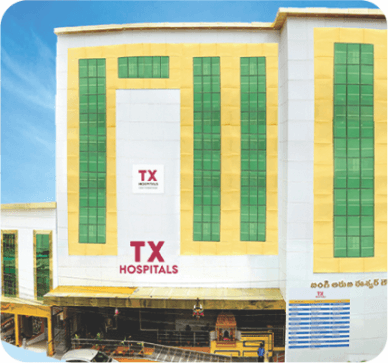
TX Hospitals, Uppal

TX Hospitals, Kachiguda

TX Hospitals, Banjara Hills

TX Children Hospitals, Banjara Hills

TX Hospitals, Miyapur
Our
Locations
Find the world-class hospital nearest to you.

TX Hospitals, Uppal
TX Hospitals, Kachiguda
TX Hospitals, Banjara Hills
TX Children Hospitals, Banjara Hills