Fractional Flow Reserve (FFR) Procedure in Hyderabad
At TX Hospitals, Fractional Flow Reserve precisely measures coronary blood flow during angiography, helping cardiologists accurately assess blockages and make safe, well-informed treatment decisions with confidence.
Top cardiac hospitals in Hyderabad
Best Cardiologist in Hyderabad
Book an Appointment
Get expert consultation today
What is Fractional Flow Reserve (FFR)?
Fractional Flow Reserve (FFR) is an advanced diagnostic procedure used during coronary angiography to assess the severity of blockages in the heart’s arteries. It measures blood pressure differences across a narrowed artery to determine whether the blockage is significantly restricting blood flow to the heart muscle. This helps cardiologists decide if a patient truly needs angioplasty or stent placement, avoiding unnecessary procedures.
FFR is performed by passing a specialized pressure-sensing wire through the coronary artery during a catheter-based procedure. It provides precise, real-time information and is considered the gold standard for evaluating borderline coronary artery disease. The procedure is safe, accurate, and plays a key role in personalized cardiac treatment planning.
At TX Hospitals, FFR is conducted by highly experienced interventional cardiologists using state-of-the-art cath lab technology. Patients looking for the Best Interventional Cardiologists for FFR Fractional Flow Reserve in Hyderabad, India can trust TX Hospitals for evidence-based diagnosis, expert decision-making, and advanced heart care.
Why the Fractional Flow Reserve (FFR) is Needed??
This assessment is advised to accurately determine whether a narrowed coronary artery is significantly restricting blood flow to the heart muscle. It helps cardiologists decide the most appropriate treatment approach. Common reasons include:
- Evaluation of borderline or moderate coronary artery blockages seen on angiography.
- Identifying whether a blockage is truly responsible for chest pain or ischemic symptoms.
- Avoiding unnecessary stent placement when blood flow is not significantly compromised.
- Guiding precise decision-making for angioplasty or stent implantation.
- Assessment of patients with stable angina or unexplained chest discomfort.
- Improving outcomes by ensuring only functionally significant lesions are treated.
- Reducing the risk of future cardiac events through targeted intervention.
- Optimizing long-term management of coronary artery disease.
Accurate evaluation using FFR, performed at the best hospital for fractional flow reserve in Hyderabad, ensures evidence-based treatment decisions, better procedural outcomes, and advanced cardiac care at TX Hospitals.
Conditions Evaluated Using Fractional Flow Reserve (FFR)
Fractional Flow Reserve (FFR) is an advanced diagnostic procedure used during coronary angiography to accurately assess the severity of blockages in the coronary arteries and guide treatment decisions. It is recommended in patients with:
- Intermediate coronary artery blockages
- Suspected ischemic heart disease
- Chest pain (angina) with unclear angiography findings
- Multi-vessel coronary artery disease
- Borderline coronary lesions where stenting decision is uncertain
- Reduced blood flow to the heart muscle despite medical therapy
- Patients being evaluated for angioplasty or bypass surgery
- Recurrent symptoms after previous coronary interventions
Symptoms Fractional Flow Reserve (FFR) Addresses
Fractional Flow Reserve (FFR) is used to determine whether narrowed coronary arteries are truly restricting blood flow to the heart muscle and causing symptoms. This advanced assessment is recommended when patients experience:
- Chest pain or pressure, especially during exertion
- Shortness of breath without a clear cause
- Recurrent angina despite normal or borderline angiography findings
- Fatigue related to reduced blood supply to the heart
- Abnormal stress test results requiring further clarification
- Suspected coronary artery disease with moderate blockages
- Ongoing cardiac symptoms despite medical therapy
By accurately identifying flow-limiting blockages and guiding the need for intervention, TX Hospitals ensures precise diagnosis and personalized treatment under the expertise of the Best Cardiologist in Hyderabad.
Risks of Avoiding Fractional Flow Reserve (FFR)
Avoiding a recommended Fractional Flow Reserve (FFR) assessment can lead to:
Inaccurate evaluation of coronary artery blockages
resulting in inappropriate or delayed treatment decisions.
Unnecessary stent placement or surgery
when medical management alone may have been sufficient.
Missed identification of functionally significant blockages
increasing the risk of heart attack.
Progression of coronary artery disease
due to underestimation of blood flow limitation.
Persistent chest pain or breathlessness
without clear diagnosis or targeted intervention.
Higher risk of recurrent cardiac events
including unstable angina and myocardial infarction.
Reduced effectiveness of long-term treatment planning
impacting overall heart health outcomes.
Delaying evaluation with the FFR procedure in Hyderabad may result in suboptimal cardiac care and preventable heart complications.
Types of Fractional Flow Reserve (FFR) Procedures
There are different types of Fractional Flow Reserve (FFR) assessments, selected based on coronary anatomy, severity of blockage, and clinical presentation:
Wire-Based FFR
The standard method where a pressure-sensing guidewire is passed across a coronary artery narrowing to accurately measure blood flow reduction and determine the need for stenting.
FFR-Guided Angiography
Combines coronary angiography with FFR measurements to help cardiologists decide whether medical therapy or interventional treatment is most appropriate.
Instantaneous Wave-Free Ratio (iFR)
A pressure-based alternative to traditional FFR that does not require medication-induced stress, offering faster assessment in suitable patients.
CT-Derived FFR (FFR-CT)
A non-invasive technique using CT coronary images to estimate blood flow across coronary lesions, mainly used for diagnostic planning.
At TX Hospitals, advanced cath lab facilities and expert interventional cardiologists at one of the Top Cardiac Hospitals in Hyderabad ensure precise FFR evaluation for informed, patient-centric treatment decisions.
Ready to Schedule Your Procedure?
Our team is here to answer your questions and guide you through the process.
How Fractional Flow Reserve (FFR) is Performed
Here’s a detailed overview of the Fractional Flow Reserve (FFR) test process:
Preparation
- Patients undergo preliminary cardiac evaluation including coronary angiography, ECG, and blood tests to assess coronary artery disease.
- Fasting is usually advised for several hours before the procedure.
- Current medications are reviewed, and some may be temporarily adjusted based on the cardiologist’s recommendation.
- The procedure is explained in detail to ensure patient understanding and comfort.
The Procedure
- The FFR test is performed in a cardiac catheterization laboratory, usually during a coronary angiogram, under local anesthesia.
- A thin pressure-sensitive guide wire is passed through a catheter into the coronary artery.
- Medication is administered to increase blood flow and mimic stress conditions.
- Pressure measurements are taken across the narrowed segment of the artery to determine the severity of blockage.
- The results help cardiologists decide whether angioplasty or stenting is required.
Post-Procedure
- Patients are monitored for a short period for heart rhythm and blood pressure.
- Mild discomfort at the catheter insertion site may occur but typically resolves quickly.
- Most patients can resume normal activities within a day, based on medical advice.
Procedure Duration
The Fractional Flow Reserve test typically takes 15 to 30 minutes. Including preparation and observation, the overall hospital stay is brief. The ffr test cost in Hyderabad may vary depending on whether it is performed alone or along with coronary angiography and other cardiac evaluations.
Benefits of Fractional Flow Reserve (FFR)
Fractional Flow Reserve (FFR) offers critical benefits in accurately assessing coronary artery disease:
- Provides precise measurement of blood flow across coronary artery blockages
- Helps determine whether a narrowing truly requires Angioplasty or Stenting.
- Prevents unnecessary procedures by guiding evidence-based treatment decisions
- Improves long-term outcomes by targeting only clinically significant blockages
- Enhances procedural safety and treatment accuracy
- Considered the gold standard for functional assessment of coronary lesions
Recovery & Aftercare
Recovery after an FFR procedure is usually quick and uncomplicated:
- Patients are observed briefly following the catheter-based assessment
- Mild discomfort at the catheter insertion site may occur temporarily
- Most patients can resume normal activities within a short time
- Medications may be adjusted based on FFR findings
- Follow-up consultations help plan further treatment if required
At TX Hospitals, our interventional cardiology team uses advanced FFR technology to ensure accurate diagnosis and personalized treatment planning. Guided by some of the Best Fractional Flow Reserve (FFR) Doctors in Hyderabad, we focus on precision-driven cardiac care that leads to better outcomes and safer interventions.
Why Choose TX Hospitals for Fractional Flow Reserve (FFR) ?
When it comes to Fractional Flow Reserve (FFR) testing, precision-based decision-making and advanced cardiac expertise are crucial and TX Hospitals ensures both with the highest standards of care:
If you’re searching for an FFR test near me, TX Hospitals is a trusted destination in Hyderabad for advanced coronary diagnostics, helping patients avoid unnecessary procedures and achieve better long-term heart outcomes.
Get Precise Heart Blockage Assessment with Fractional Flow Reserve (FFR)
Not all Heart blockages need stents accuracy matters. Fractional Flow Reserve helps determine the true severity of coronary artery narrowing.
At TX Hospitals, Hyderabad, our interventional cardiologists use advanced FFR technology for confident, personalized treatment decisions.
Test smart. Treat right. Protect your heart.
Frequently Asked Questions (FAQs)
Our Locations
Find Hospital Near You
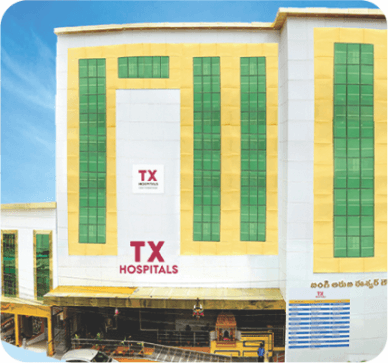
TX Hospitals, Uppal

TX Hospitals, Kachiguda

TX Hospitals, Banjara Hills

TX Children Hospitals, Banjara Hills
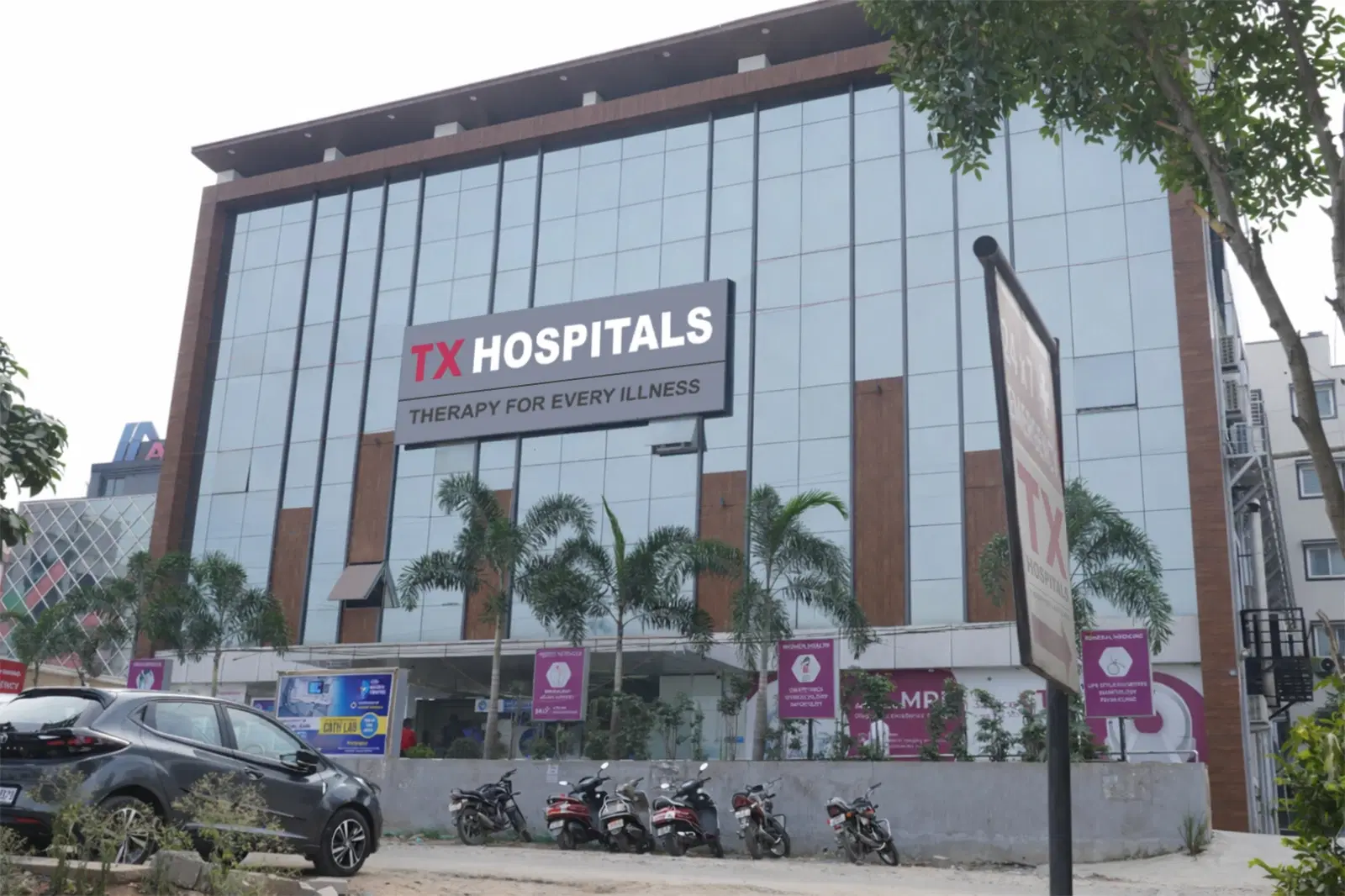
TX Hospitals, Miyapur
Our
Locations
Find the world-class hospital nearest to you.

TX Hospitals, Uppal
TX Hospitals, Kachiguda
TX Hospitals, Banjara Hills
TX Children Hospitals, Banjara Hills