Advanced Implantable Cardioverter Defibrillator (ICD) Procedure in Hyderabad
At TX Hospitals, ICD Implantation provides continuous protection against dangerous cardiac rhythm abnormalities. With precise device placement and Expert Cardiac Care, our team focuses on long-term heart rhythm stability and patient reassurance.
Best Cardiac Hospitals in Hyderabad, India
Cardiac surgeons in Hyderabad, India
Book an Appointment
Get expert consultation today
What is an Implantable Cardioverter Defibrillator (ICD)?
An Implantable Cardioverter Defibrillator (ICD) is a life-saving cardiac device designed to detect and treat dangerous heart rhythm disorders, particularly ventricular tachycardia and ventricular fibrillation, which can lead to sudden cardiac arrest. The ICD continuously monitors the heart’s rhythm and delivers electrical impulses or shocks when it detects a life-threatening arrhythmia, helping restore a normal heartbeat instantly.
The ICD Implantation Procedure is minimally invasive and typically performed under local anesthesia with sedation. A small device is placed under the skin of the chest, and leads are guided through blood vessels into the heart to monitor and regulate electrical activity. ICD Implantation significantly reduces the risk of sudden Cardiac Death and improves long-term survival in high-risk patients.
At TX Hospitals, ICD implantation is carried out by experienced cardiac electrophysiologists using advanced technology and strict safety protocols. Patients looking for a reliable Implantable Cardioverter Defibrillator (ICD) procedure in Hyderabad can trust TX Hospitals for expert care, precision treatment, and comprehensive heart rhythm management.
Why the Implantable Cardioverter Defibrillator (ICD) Is Recommended
This device is advised for patients at high risk of life-threatening heart rhythm disturbances that can lead to sudden cardiac arrest. Common reasons include:
- History of dangerous ventricular arrhythmias such as ventricular tachycardia or ventricular fibrillation.
- Previous episode of sudden cardiac arrest or unexplained cardiac collapse.
- Severe weakening of the heart muscle with significantly reduced pumping function.
- High risk of sudden cardiac death due to cardiomyopathy or inherited heart rhythm disorders.
- Recurrent fainting episodes linked to abnormal heart rhythms.
- Failure of medications alone to adequately control serious arrhythmias.
- Protection for patients with heart failure who are prone to sudden rhythm abnormalities.
- Continuous monitoring and immediate correction of abnormal heart rhythms to prevent fatal events.
Early protection with an ICD, under the care of Best Implantable Cardioverter Defibrillators ICDs Doctors in Hyderabad, helps safeguard against Sudden Cardiac Death and improves long-term survival with Advanced Cardiac Expertise at TX Hospitals.
Conditions Treated with Implantable Cardioverter Defibrillator (ICD)
An Implantable Cardioverter Defibrillator (ICD) is a life-saving device used to detect and correct dangerous Heart Rhythm Abnormalities, especially those that can lead to sudden cardiac arrest. ICD Surgery is recommended for patients with conditions such as:
- Ventricular tachycardia (VT)
- Ventricular fibrillation (VF)
- High risk of sudden cardiac arrest
- Severe cardiomyopathy (ischemic or dilated)
- Heart failure with reduced ejection fraction
- Life-threatening arrhythmias after a heart attack
- Inherited heart rhythm disorders (e.g., Long QT syndrome)
- Recurrent fainting due to malignant arrhythmias
Symptoms It Addresses – Implantable Cardioverter Defibrillator (ICD)
Implantable Cardioverter Defibrillator (ICD) therapy is recommended for patients at high risk of life-threatening Heart Rhythm Disorders. It helps identify and manage symptoms related to Dangerous Ventricular Arrhythmias, including:
- Sudden episodes of rapid or irregular heartbeat
- History of Cardiac Arrest or near-fatal arrhythmias
- Recurrent fainting or unexplained loss of consciousness
- Severe palpitations with chest discomfort
- Dizziness or sudden weakness due to Abnormal Heart Rhythms
- Reduced heart pumping function increasing arrhythmia risk
- Family History of Sudden Cardiac Death
By continuously monitoring Heart Rhythm and delivering timely corrective shocks when needed, TX Hospitals ensures advanced protection against Sudden Cardiac Events and long-term rhythm stability.
Risks of Avoiding Implantable Cardioverter Defibrillator (ICD)
Avoiding a recommended Implantable Cardioverter Defibrillator (ICD) can lead to:
Uncontrolled life-threatening heart rhythm disturbances
which may result in sudden cardiac arrest.
Inability to immediately correct dangerous ventricular arrhythmias
increasing the risk of sudden death.
Higher chances of recurrent fainting or collapse
often without prior warning signs.
Progressive worsening of heart function
especially in patients with weak heart muscles.
Increased dependence on emergency medical care
with repeated hospital admissions.
Limited protection against fatal rhythm abnormalities
despite optimal medical therapy.
Significantly reduced survival chances
particularly in high-risk cardiac patients.
Delaying consideration due to concerns about Implantable Cardioverter Defibrillator (ICD) Cost in India may result in preventable cardiac emergencies and life-threatening outcomes.
Types of Implantable Cardioverter Defibrillator (ICD) Procedures
There are different types of Implantable Cardioverter Defibrillator (ICD) Procedures, chosen based on the patient’s risk of life-threatening arrhythmias, underlying heart condition, and long-term cardiac needs:
Single-Chamber ICD
Uses one lead placed in the ventricle to monitor heart rhythm and deliver life-saving shocks when dangerous arrhythmias are detected.
Dual-Chamber ICD
Includes leads in both the atrium and ventricle, allowing more accurate rhythm detection and improved coordination of heartbeats.
Biventricular ICD (CRT-D)
Combines defibrillation with cardiac resynchronization therapy, ideal for patients with heart failure and electrical dyssynchrony.
Subcutaneous ICD (S-ICD)
Implanted under the skin without leads inside the heart, suitable for select patients who require defibrillation but not pacing.
At TX Hospitals, Highly Experienced Heart Rhythm Specialists and best cardiologists for implantable cardioverter defibrillators (ICDs) in Hyderabad carefully assess each patient to recommend the safest and most effective device for long-term protection and peace of mind.
Ready to Schedule Your Procedure?
Our team is here to answer your questions and guide you through the process.
How the Procedure is Performed
Here’s a detailed overview of the Implantable Cardioverter Defibrillator (ICD) process:
Preparation
- Patients undergo detailed cardiac evaluation including ECG, echocardiography, Holter monitoring, and blood tests to assess heart rhythm disorders and risk of sudden cardiac arrest.
- Fasting is advised for several hours before the procedure.
- Existing medications are reviewed, and certain drugs may be temporarily adjusted based on clinical requirements.
- The procedure, expected outcomes, and possible risks are explained to ensure informed consent and patient comfort.
The Procedure
- ICD implantation is performed in a cardiac catheterization lab or operating theatre under local anesthesia with mild sedation.
- A small incision is made below the collarbone.
- One or more leads are guided through a vein into the heart chambers using imaging guidance.
- The leads are connected to the ICD device, which is placed under the skin.
- The device is tested to confirm its ability to detect and correct life-threatening abnormal heart rhythms by delivering electrical therapy when required.
Post-Procedure
- Patients are monitored closely for heart rhythm stability and device performance.
- Mild pain, swelling, or bruising at the implantation site may occur and usually resolves within a few days.
- Arm movement on the implanted side may be temporarily restricted to allow proper lead healing.
- Most patients are discharged within 24 to 48 hours.
Procedure Duration
The Implantable Cardioverter Defibrillator Procedure typically takes 1 to 2 hours. Including preparation, recovery, and monitoring, the overall hospital stay is usually short. Patients often seek care at the best Implantable Cardioverter Defibrillator (ICD) hospitals in India for advanced device technology and expert cardiac management.
Benefits of the Procedure
Implantable Cardioverter Defibrillator (ICD) implantation offers life-saving benefits for patients at risk of Dangerous Heart Rhythm Disorders:
- Continuously monitors heart rhythm and detects life-threatening arrhythmias
- Delivers timely electrical therapy to restore normal heart rhythm
- Significantly reduces the risk of sudden cardiac arrest and cardiac death
- Improves long-term survival in patients with severe heart conditions
- Provides peace of mind through constant, automatic cardiac protection
- Minimally invasive procedure with proven safety and effectiveness
Recovery & Aftercare
Recovery after ICD implantation is generally smooth and closely supervised:
- Mild pain or swelling at the implant site may occur temporarily
- Arm movement on the implant side may be restricted for a short period
- Most patients can resume daily activities within a few days
- Regular follow-ups ensure proper ICD function and timely device adjustments
- Lifestyle guidance and medication management support long-term heart health
At TX Hospitals, our electrophysiology and cardiac care teams deliver precise ICD implantation with advanced monitoring and continuous follow-up. Recognised among the Best Cardiac Hospitals in Hyderabad, India, we combine cutting-edge technology, expert clinicians, and patient-centred care to protect lives and improve cardiac outcomes.
Why Choose TX Hospitals for Implantable Cardioverter Defibrillator (ICD) Implantation
When it comes to Implantable Cardioverter Defibrillator (ICD) implantation, clinical precision, surgical expertise, and advanced cardiac care are vital and TX Hospitals stands out for all the right reasons:
TX Hospitals is recognized as a trusted destination for Advanced Cardiac Rhythm Management and Surgical Heart Care in Hyderabad, committed to protecting patients from sudden cardiac events and improving long-term survival outcomes.
Protect Your Heart from Dangerous Rhythms with an Implantable Cardioverter Defibrillator (ICD)
Sudden Cardiac Rhythm Disturbances can be life-threatening if ignored. An Implantable Cardioverter Defibrillator continuously monitors heart rhythm and delivers life-saving therapy when needed.
At TX Hospitals, Hyderabad, our Cardiac Experts ensure safe, precise ICD implantation.
Stay protected. Live with confidence.
Frequently Asked Questions (FAQs)
Our Locations
Find Hospital Near You
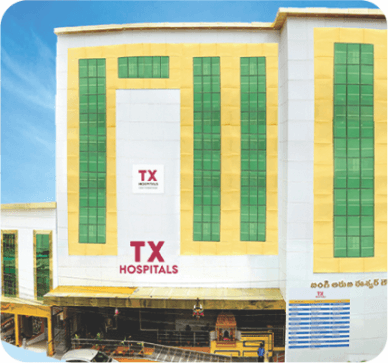
TX Hospitals, Uppal
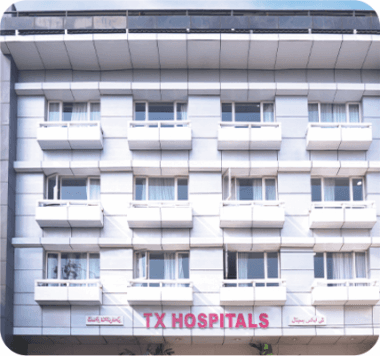
TX Hospitals, Kachiguda

TX Hospitals, Banjara Hills
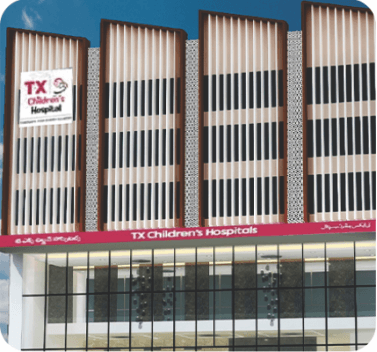
TX Children Hospitals, Banjara Hills
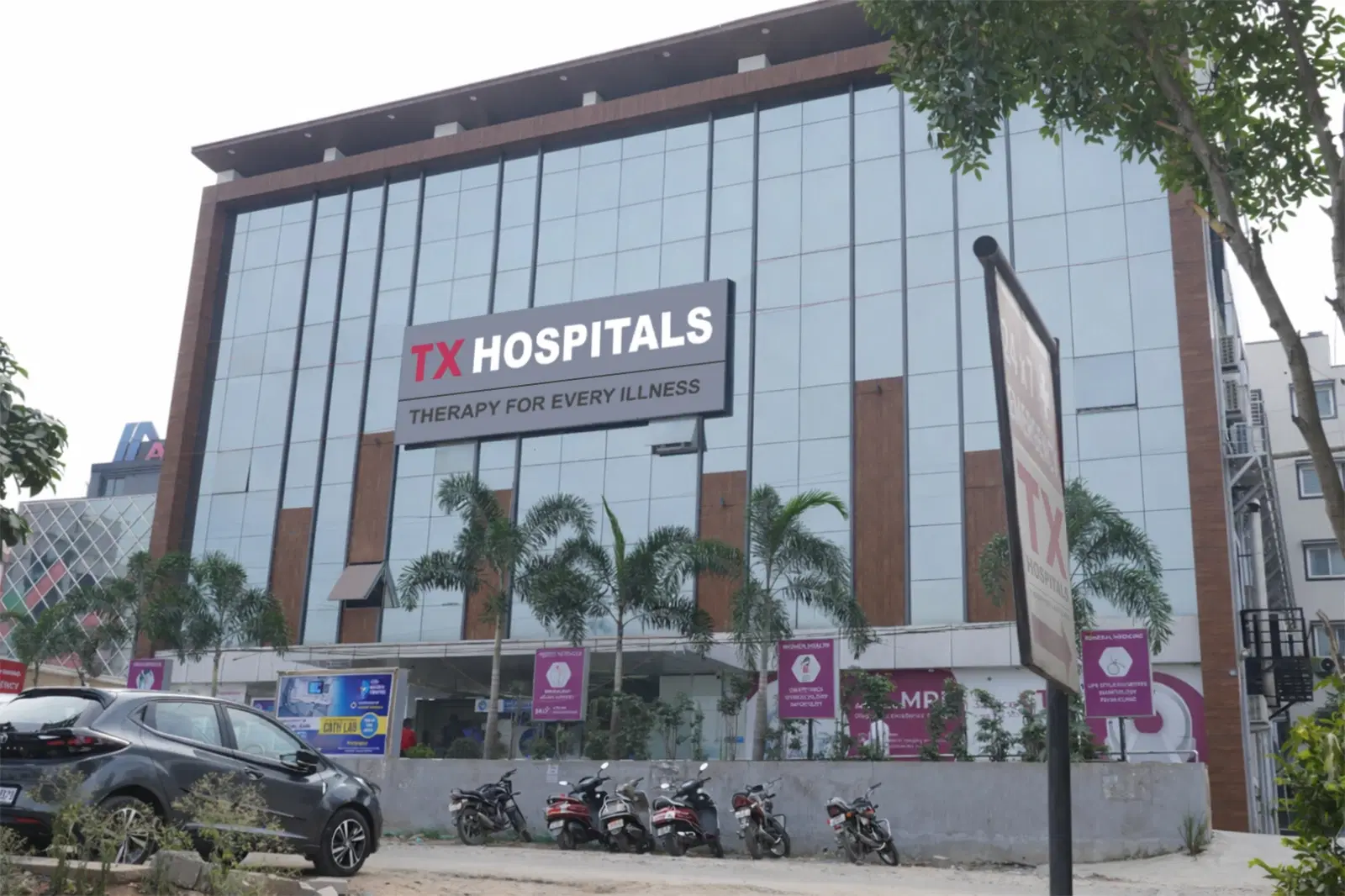
TX Hospitals, Miyapur
Our
Locations
Find the world-class hospital nearest to you.

TX Hospitals, Uppal
TX Hospitals, Kachiguda
TX Hospitals, Banjara Hills
TX Children Hospitals, Banjara Hills