Optical Coherence Tomography in Hyderabad
At TX Hospitals, OCT provides high-resolution inside-artery imaging to precisely evaluate plaque characteristics and stent placement, enabling accurate and well-guided coronary interventions.
Top Heart Hospital in hyderabad
Top Cardiology Doctors near me
Book an Appointment
Get expert consultation today
When is an OCT Scan Recommended by Specialists?
This advanced imaging technique is advised to obtain high-resolution, cross-sectional images from inside the coronary arteries, allowing precise assessment of plaque characteristics and vessel structure. Common reasons include
- Detailed evaluation of coronary artery blockages not clearly defined on angiography.
- Identification of plaque rupture, erosion, or thrombus in acute coronary syndrome
- Accurate measurement of vessel diameter for optimal stent selection.
- Assessment of stent placement, expansion, and detection of edge dissections.
- Evaluation of recurrent chest pain after previous angioplasty or stenting.
- Management of complex or ambiguous coronary lesions.
- Guiding decision-making during coronary interventions for improved outcomes.
- Reducing the risk of complications by ensuring precise procedural planning.
Advanced imaging with OCT, performed by Best Optical Coherence Tomography OCT Doctors near me, ensures superior clarity, precise intervention and improved long-term cardiac results with expert care at TX Hospitals.
Conditions Evaluated Using Optical Coherence Tomography (OCT)
Optical Coherence Tomography (OCT) is an advanced intracoronary imaging technique that provides high-resolution images of the inner layers of coronary arteries. It helps cardiologists precisely assess plaque characteristics and optimize stent placement during angioplasty. OCT is recommended in patients with
- Ambiguous or complex coronary artery lesions
- Assessment of plaque rupture or erosion in acute coronary syndrome
- Evaluation of stent expansion and apposition
- Suspected stent thrombosis or restenosis
- Thin-cap fibroatheroma (vulnerable plaque) detection
- Left main coronary artery disease
- Borderline coronary blockages requiring detailed imaging
- High-risk or recurrent coronary artery disease cases
Symptoms Evaluated Through Optical Coherence Tomography
Optical Coherence Tomography (OCT) is an advanced intracoronary imaging technique used to obtain high-resolution images of coronary arteries. It helps assess the nature and severity of arterial blockages when patients experience:
- Persistent chest pain despite prior angiography
- Recurrent angina after stent placement
- Shortness of breath related to coronary artery disease
- Suspected stent malposition or restenosis
- Complex or calcified coronary lesions
- Unclear plaque characteristics on routine imaging
- Ongoing cardiac symptoms despite medication
By providing detailed visualization of plaque, stents and vessel walls, TX Hospitals ensures precise diagnosis and optimized interventional planning, recognized as a best Optical Coherence Tomography hospital in Hyderabad for advanced cardiac imaging and care.
Risks of Avoiding Optical Coherence Tomography (OCT)
Avoiding a recommended Optical Coherence Tomography (OCT) assessment can lead to:
Incomplete visualization of arterial plaque characteristics
affecting precise treatment planning.
Improper stent sizing or positioning
increasing the risk of stent thrombosis or restenosis.
Missed detection of micro-tears or vessel complications
which may lead to future cardiac events.
Higher chances of recurrent chest pain
due to untreated or underestimated lesions.
Reduced long-term success of angioplasty procedures
without detailed intravascular imaging guidance.
Increased likelihood of repeat interventions
due to suboptimal initial treatment.
Greater risk of heart attack
if vulnerable plaques are not accurately identified.
Delaying consultation with Top Cardiology Doctors near me for advanced imaging like OCT may result in less precise treatment and preventable cardiac complications.
Types of Optical Coherence Tomography (OCT) Procedures
There are different types of Optical Coherence Tomography (OCT) procedures, selected based on the complexity of coronary artery disease and the need for high-resolution vessel imaging:
Diagnostic OCT Imaging
Performed during coronary angiography to obtain detailed, high-resolution images of the inner layers of coronary arteries, helping detect plaque characteristics and micro-structural abnormalities.
OCT-Guided Angioplasty and Stenting
Assists cardiologists in selecting the correct stent size and ensuring optimal stent expansion and placement for better long-term outcomes.
Pre-Intervention OCT Assessment
Conducted before angioplasty to evaluate lesion morphology, calcium deposits, thrombus presence, and vessel dimensions for precise treatment planning.
Post-Intervention OCT Optimization
Used after stent placement to confirm proper expansion, detect edge dissections and reduce the risk of complications such as restenosis or stent thrombosis.
At TX Hospitals, advanced imaging technology and expert interventional cardiologists at a Top Heart Hospital in Hyderabad utilize OCT to enhance procedural precision, safety and superior cardiac care outcomes.
Ready to Schedule Your Procedure?
Our team is here to answer your questions and guide you through the process.
Step-by-Step Optical Coherence Tomography Procedure Explained
Here’s a detailed overview of the Optical Coherence Tomography (OCT) process
Preparation
- Patients undergo preliminary cardiac evaluation including ECG, blood tests and coronary angiography to assess suspected artery blockages.
- Fasting is usually advised for several hours prior to the procedure.
- Current medications are reviewed and certain drugs may be adjusted temporarily as per the cardiologist’s recommendation.
- The procedure is explained clearly to ensure patient understanding and informed consent.
The Procedure
- Optical Coherence Tomography (OCT) is performed in a cardiac catheterization laboratory, typically during a coronary angiogram.
- Under local anesthesia, a catheter is inserted through a blood vessel, usually from the wrist or groin.
- A specialized imaging catheter is advanced into the coronary artery.
- Light waves are used to generate high-resolution images of the artery’s inner lining.
- Contrast dye may be injected briefly to clear blood from the imaging field for clearer visualization.
- OCT provides detailed images that help assess plaque characteristics, vessel size and stent placement accuracy.
Post-Procedure
- Patients are monitored for heart rhythm stability and access-site complications.
- Mild discomfort or bruising at the catheter insertion site may occur but generally resolves quickly.
- Most patients can resume normal activities within a short period, depending on associated procedures.
Procedure Duration
The Optical Coherence Tomography procedure typically takes 20 to 40 minutes, especially when performed alongside coronary angiography. Including preparation and recovery time, the overall hospital stay is usually brief. Many patients seek evaluation from the best doctors for Optical Coherence Tomography (OCT) in Hyderabad for precise coronary imaging and advanced cardiac care.
Benefits of the Procedure
Optical Coherence Tomography (OCT) offers highly advanced benefits in evaluating coronary artery disease
- Provides ultra-high-resolution images from inside the coronary arteries
- Detects microscopic plaque details not visible on standard angiography
- Assesses stent placement accuracy and expansion
- Identifies plaque rupture, clot formation and vessel wall abnormalities
- Enhances precision during angioplasty and complex coronary interventions
- Improves long-term treatment outcomes through detailed vessel analysis
Recovery & Aftercare
Recovery after an OCT-guided procedure is similar to other catheter-based cardiac interventions:
- Short observation period after the procedure
- Mild soreness or bruising at the catheter insertion site may occur
- Light activities are advised for a brief period
- Medications may be adjusted based on findings
- Follow-up consultation ensures optimal recovery and treatment planning
At TX Hospitals, our interventional cardiology specialists use advanced OCT technology to ensure precision-driven coronary care. For patients seeking clarity on Optical Coherence Tomography Cost in Hyderabad, we provide transparent evaluation, advanced imaging expertise and comprehensive cardiac treatment planning for safer and more effective outcomes.
Why Choose TX Hospitals for Optical Coherence Tomography (OCT)
When it comes to Optical Coherence Tomography (OCT), ultra-high-resolution imaging and expert interpretation are essential for precise coronary care and TX Hospitals delivers advanced intravascular diagnostics with exceptional accuracy:
TX Hospitals is recognized as a leading center for advanced coronary imaging in Hyderabad, committed to delivering accurate diagnosis, optimized interventions, and superior long-term heart health outcomes.
Get Early and Precise Diagnosis with Optical Coherence Tomography
Precision matters in complex heart procedures. OCT provides high-resolution imaging inside coronary arteries for better treatment planning. At TX Hospitals, Hyderabad, we use advanced OCT guidance for safer, more accurate cardiac interventions.
See finer details. Treat with precision. Improve outcomes.
Frequently Asked Questions (FAQs)
Our Locations
Find Hospital Near You
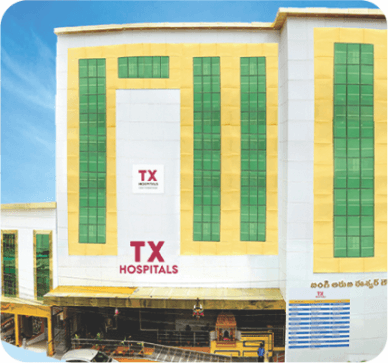
TX Hospitals, Uppal
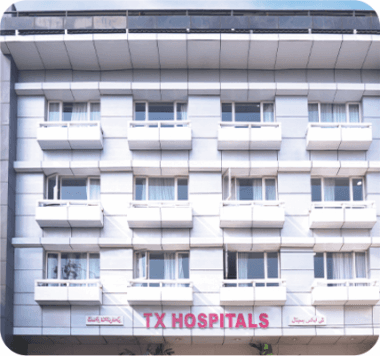
TX Hospitals, Kachiguda
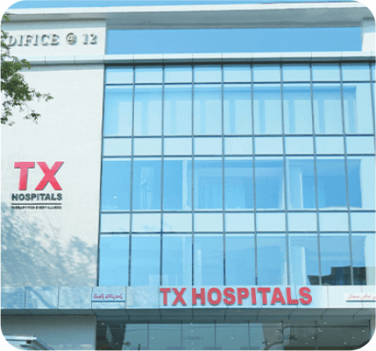
TX Hospitals, Banjara Hills
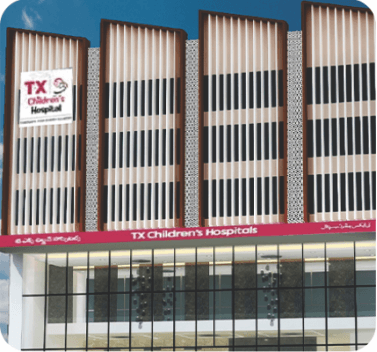
TX Children Hospitals, Banjara Hills
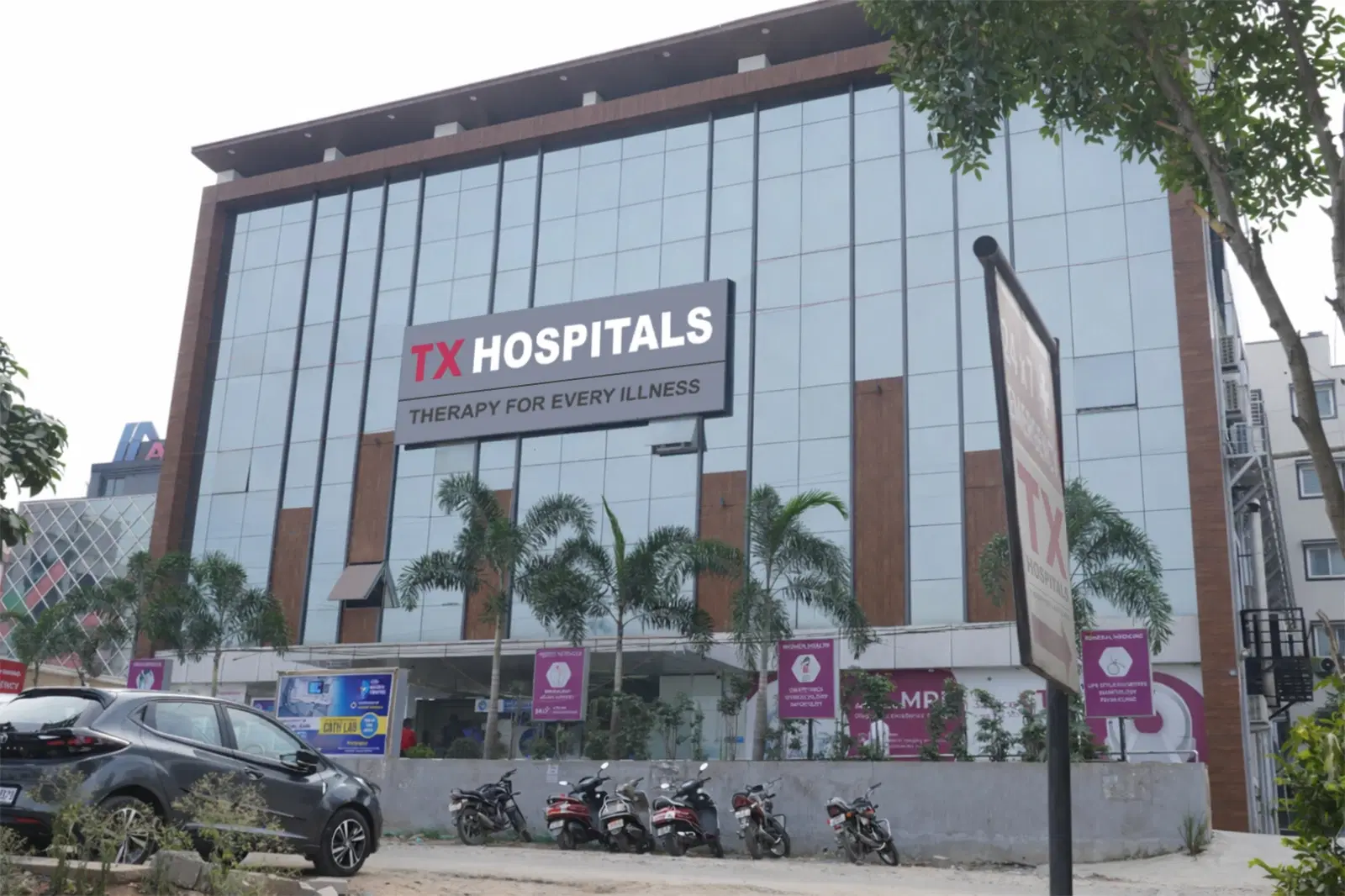
TX Hospitals, Miyapur
Our
Locations
Find the world-class hospital nearest to you.

TX Hospitals, Uppal
TX Hospitals, Kachiguda
TX Hospitals, Banjara Hills
TX Children Hospitals, Banjara Hills