Best Hospital for Gastroparesis Treatment in Hyderabad, India
Gastroparesis can cause nausea, bloating, vomiting and feeling full too soon. At TX Hospitals, get expert gastroparesis treatment in Hyderabad with personalized care focused on improving digestion and managing symptoms.
Book an Appointment
Get expert consultation today
What Is Gastroparesis?
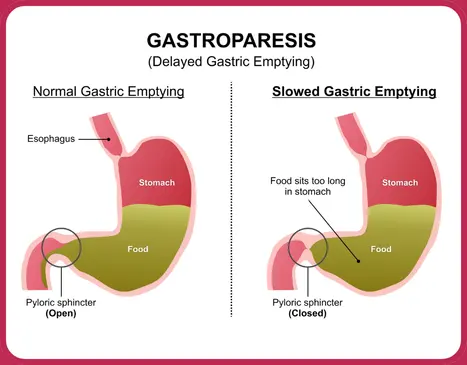
Gastroparesis is a condition in which the stomach takes longer than normal to empty food into the small intestine, even when there is no physical blockage. It may lead to nausea, vomiting, bloating, early fullness, abdominal discomfort, and changes in blood sugar levels. Diabetes is one of the common causes, although gastroparesis can also occur for other reasons. At TX Hospitals, patients seeking Gastroparesis Treatment in Hyderabad receive detailed evaluation, symptom management, dietary guidance and appropriate treatment based on the severity of the condition.
Types of Gastroparesis
Gastroparesis can develop for different reasons, and identifying the underlying cause is important for planning the right treatment. It is commonly grouped based on what is affecting normal stomach emptying.
Diabetic Gastroparesis
This type can happen in people with diabetes, especially when blood sugar stays high for a long time. High blood sugar can damage the nerves that help the stomach move food. This may cause slow digestion, nausea, bloating, and feeling full after eating very little.
Idiopathic Gastroparesis
Sometimes, doctors cannot find the exact cause of gastroparesis. This is called idiopathic gastroparesis. It may develop after a viral infection in some people. Symptoms can include stomach discomfort, nausea, and vomiting.
Postsurgical Gastroparesis
Some people may develop gastroparesis after surgery involving the stomach or nearby organs. This can happen if the nerves that help the stomach move food are affected during surgery.
Medication-Induced Gastroparesis
Certain medicines can slow down how quickly food leaves the stomach. These include some pain medicines and diabetes medications. Doctors may check the medicines a person is taking to see if they could be causing the symptoms.
Gastroparesis Due to Other Medical Conditions
Gastroparesis may also be associated with conditions that affect the nerves or muscles of the digestive system, including some neurological, autoimmune, or metabolic disorders.
Patients looking for the Best Gastroenterology Doctors in Hyderabad can consult specialists at TX Hospitals for detailed evaluation, identification of the possible cause and a personalised treatment plan to help manage symptoms effectively.
Causes and Risk Factors of Gastroparesis
Gastroparesis develops when the stomach muscles or the nerves controlling them do not work properly, causing food to move more slowly than normal. In some people, the exact cause may not be identified.
Common Causes
- Nerve damage caused by diabetes
- Damage to the vagus nerve during surgery
- Certain conditions that affect the nervous system
- Autoimmune diseases that affect the body's tissues
- Viral infections in some cases
- Certain medicines that slow down digestion
Risk Factors
- Having diabetes for many years
- Frequently high blood sugar levels
- A history of stomach or oesophageal surgery
- Taking certain painkillers or medicines that slow digestion
- Neurological conditions such as Parkinson’s disease
- Autoimmune conditions
- Thyroid or metabolic disorders
- Previous viral illness affecting digestion
At TX Hospitals, one of the top gastroenterology hospitals in Hyderabad, patients can get evaluated for gastroparesis and receive treatment based on their symptoms and health needs.
Symptoms of Gastroparesis: Warning Signs You Shouldn’t Ignore
Gastroparesis symptoms can vary from mild digestive discomfort to frequent vomiting and difficulty maintaining proper nutrition. Symptoms often become more noticeable after meals.
Common Symptoms
- Feeling full after eating just a little
- Feeling sick (nausea)
- Bloating
- Pain or discomfort in the upper stomach
- Heartburn or indigestion
- Not feeling hungry
More Severe Symptoms
- Vomiting often
- Vomiting food that was eaten hours earlier
- Losing weight without trying
- Trouble keeping blood sugar levels under control
- Dehydration
- Feeling weak due to poor nutrition
- Severe stomach pain or discomfort that doesn't go away
How Is Gastroparesis Diagnosed at TX Hospitals?
Diagnosing gastroparesis involves reviewing symptoms, checking for possible underlying causes, and performing tests to understand how well the stomach is emptying food. Doctors may also rule out other conditions that can cause similar digestive symptoms.
Gastroparesis Diagnosis Process at TX Hospitals
The doctor will ask about symptoms like nausea, vomiting, bloating, and feeling full too quickly. They may also ask about diabetes, past surgeries, and medicines you take.
Medical History Review
The doctor will ask about symptoms like nausea, vomiting, bloating, and feeling full too quickly. They may also ask about diabetes, past surgeries, and medicines you take.
Physical Examination
The doctor will check your stomach for pain, swelling, or other signs of digestive problems. They may also look for signs of dehydration.
Blood Tests
Blood tests may be done to check blood sugar, thyroid, kidney function, and signs of poor nutrition.
Upper GI Endoscopy
The doctor may suggest an endoscopy to look inside your stomach and check for ulcers, narrowing, or blockages.
Gastric Emptying Study
This test checks how long food takes to leave your stomach. It helps doctors find out if your stomach is emptying too slowly.
Specialized Tests
Breath testing, motility studies, or other investigations may be recommended in selected patients to further assess digestive function.
Patients receive a structured evaluation through the Top Gastro Specialists in Hyderabad at TX Hospitals, helping specialists identify the cause and severity of delayed stomach emptying before planning treatment.
Gastroparesis Treatment Options: Medications, Diet & Advanced Procedures
Gastroparesis treatment focuses on improving stomach emptying, reducing symptoms, maintaining proper nutrition and treating the underlying cause whenever possible. TX Hospitals offers treatment options based on the severity of symptoms and the patient’s overall health.
Medicines may be prescribed to improve stomach movement or control symptoms such as nausea and vomiting.
Prokinetic Medicines
Help the stomach muscles move food more effectively into the small intestine.
Anti-Nausea Medicines
Help control nausea and vomiting.
Acid-Reducing Medicines
May be prescribed when reflux or heartburn occurs along with gastroparesis.
Diabetes Management
Better blood sugar control can help improve symptoms in patients with diabetic gastroparesis.
Medication Review
Medicines that may slow stomach emptying can be reviewed and adjusted by the doctor when appropriate.
Patients receive personalised care based on symptoms, test results, underlying conditions, and nutritional needs. The Gastroparesis Treatment Cost in Hyderabad at TX Hospitals may vary depending on the investigations, medications, procedures, hospital stay, and treatment required for each patient.
If gastroparesis is not managed properly, it can affect digestion, nutrition, and blood sugar levels. In severe cases, it may cause frequent vomiting, dehydration, and difficulty getting enough nutrients from food.
Physical Complications
- Dehydration due to frequent vomiting
- Poor nutrition and vitamin deficiencies
- Losing weight without trying
- Blood sugar levels going up and down
- Undigested food collecting and forming a hard lump in the stomach
- Increased chances of acid reflux
- Trouble eating enough food
- Frequent hospital visits in severe cases
Impact on Daily Life
- Feeling full after eating very little
- Not feeling hungry
- Feeling tired or weak
- Difficulty eating regular meals
- Trouble sleeping due to nausea or stomach discomfort
- Difficulty carrying out daily activities
- Reduced quality of life
- Stress from ongoing stomach problems
Prevention & Lifestyle Management
Gastroparesis cannot always be prevented, especially when it is related to diabetes, nerve damage, or previous surgery. However, healthy habits and proper management can help reduce symptoms and support better digestion.
Eat Smaller, Frequent Meals
Instead of three large meals, eating smaller portions several times a day may make food easier for the stomach to process.
Choose Easy-to-Digest Foods
Soft, well-cooked, or liquid foods may be easier to tolerate. Very fatty and high-fibre foods may need to be limited if they worsen symptoms.
Maintain Good Blood Sugar Control
For people with diabetes, keeping blood sugar within the recommended range is important because high blood sugar can further slow stomach emptying.
Stay Hydrated
Drink enough fluids throughout the day, especially if nausea or vomiting is present.
Stay Physically Active
Light activity, such as walking after meals, may support digestion in some people.
Review Your Medicines
Certain medicines can slow stomach emptying. Speak with your doctor before making any changes to prescribed medicines.
Attend Regular Check-ups
Regular follow-up helps monitor symptoms, nutrition, weight, blood sugar, and response to treatment.
When to Seek Medical Help for Gastroparesis
See a doctor if you have:
Frequent nausea or vomiting
Feeling full after eating very little
Bloating or stomach pain that keeps coming back
Vomiting food eaten hours earlier
Losing weight without trying
Trouble eating or drinking
Frequent changes in blood sugar levels
Feeling weak or dehydrated
Get medical help right away if you keep vomiting, cannot drink or keep water down, have severe stomach pain, feel faint or become very weak. Call 9144514459
Why Choose TX Hospitals for Gastroparesis Treatment in Hyderabad?
TX Hospitals provides comprehensive care for patients with gastroparesis, from accurate diagnosis and dietary guidance to medical and advanced treatment options. Patients receive coordinated care based on the cause, severity and impact of their symptoms.
Experienced Specialists
Gastroenterologists and digestive health specialists provide individualised care for gastroparesis.
Advanced Diagnostics
Access to endoscopy, imaging, gastric emptying evaluation, blood tests, and other investigations when required.
Personalised Treatment Plans
Treatment is planned based on symptoms, underlying conditions, nutritional status, and test results.
Diet & Nutrition Support
Guidance on meal size, food choices, hydration, and nutritional needs.
Advanced Treatment Options
Procedures may be considered for selected patients with severe or persistent symptoms.
Diabetes Management Support
Coordinated care for patients with diabetic gastroparesis and fluctuating blood sugar levels.
Emergency & Inpatient Care
Medical support is available for severe vomiting, dehydration, or nutritional complications.
Transparent Care
Clear guidance regarding investigations, treatment options, procedures, and expected costs.
Patients looking for the Best Hospital for Gastroenterology in Hyderabad can consult TX Hospitals for complete evaluation and personalised management of delayed stomach emptying and related digestive symptoms.
Take the First Step Toward Better Digestive Health
Do not ignore ongoing nausea, vomiting, bloating, or feeling full after small meals. Early evaluation can help identify the cause and prevent nutritional or digestive complications. With expert care at TX Hospitals, patients can receive appropriate Gastroparesis Treatment in Hyderabad and support for better symptom control and everyday comfort.
Call 9144514459 to book your consultation and begin your treatment journey.
Frequently Asked Questions (FAQs)
Gastroparesis is a condition where the stomach takes longer than normal to empty food into the small intestine.
Common symptoms include nausea, vomiting, bloating, early fullness, stomach discomfort, poor appetite, and weight loss.
Doctors may use blood tests, upper GI endoscopy, imaging, and a gastric emptying study to confirm delayed stomach emptying.
Treatment depends on the cause and severity. It may include dietary changes, medicines, blood sugar control, nutrition support, or advanced procedures.
Yes. Many patients can manage symptoms with diet changes, medicines, and treatment of the underlying cause.
Very fatty foods, fried foods, and high-fibre foods may slow stomach emptying and worsen symptoms in some patients.
A gastric emptying study measures how quickly food moves from the stomach into the small intestine and helps diagnose gastroparesis.
Yes. Delayed digestion can make blood sugar levels harder to control, especially in people with diabetes.
Untreated gastroparesis may lead to dehydration, poor nutrition, weight loss, unstable blood sugar, and repeated vomiting.
A gastroenterologist usually evaluates and treats gastroparesis. Other specialists may also be involved depending on the underlying cause.
TX Hospitals offers experienced gastroenterologists, advanced diagnostic facilities, personalised treatment plans, and support for both mild and complex gastroparesis cases.
To book an appointment for Gastroparesis Treatment at TX Hospitals, call 9144514459 or walk in directly to TX Hospitals.
Our Locations
Find Hospital Near You

TX Hospitals, Uppal

TX Hospitals, Kachiguda

TX Hospitals, Banjara Hills

TX Children Hospitals, Banjara Hills

TX Hospitals, Miyapur
Our
Locations
Find the world-class hospital nearest to you.

TX Hospitals, Uppal
TX Hospitals, Kachiguda
TX Hospitals, Banjara Hills
TX Children Hospitals, Banjara Hills