Best Hospital for Acid Reflux (GERD) Treatment in Hyderabad, India
Frequent acidity and GERD can disrupt your routine and gradually impact your digestive health if not treated on time. Searching for trusted GERD treatment in Hyderabad?
Get advanced, personalized care from experienced specialists to control symptoms, prevent complications and improve your quality of life.
Book an Appointment
Get expert consultation today
What Is Acid Reflux (GERD)?
Acid reflux, or Gastroesophageal Reflux Disease (GERD), occurs when stomach acid flows back into the esophagus, causing irritation and discomfort. This condition can lead to symptoms such as heartburn, chest discomfort, regurgitation, and difficulty swallowing. It affects individuals of all ages, especially those with unhealthy eating habits, obesity or sedentary lifestyles. With support from the GERD Treatment in Hyderabad at TX Hospitals, patients receive accurate diagnosis, dietary guidance and long-term management strategies tailored to their needs.
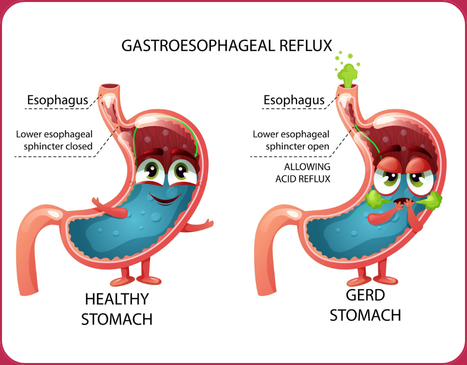
Types of Acid Reflux (Gastroesophageal Reflux Disease)
Acid reflux can present in different patterns that require tailored strategies for management. Understanding your specific type helps create a more effective treatment plan.
Mild or Occasional Acid Reflux
This is the most common form and occurs occasionally due to dietary habits, overeating, or lying down soon after meals. Symptoms such as heartburn or regurgitation are usually temporary and can often be managed with lifestyle changes and over-the-counter medications.
Chronic Gastroesophageal Reflux Disease (GERD)
GERD develops when acid reflux occurs frequently and persists over time. It can lead to ongoing symptoms like heartburn, chest discomfort, difficulty swallowing, or a sour taste in the mouth, requiring long-term medical management.
Erosive Esophagitis
This type occurs when repeated acid exposure damages the lining of the esophagus, causing inflammation, ulcers, or bleeding. Patients may experience severe pain, difficulty swallowing, or complications if left untreated.
Non-Erosive Reflux Disease (NERD)
In this form, patients experience typical reflux symptoms without visible damage to the esophageal lining on endoscopy. Although less severe in appearance, it can significantly affect quality of life and requires appropriate treatment.
Specific treatment guidance, accurate diagnosis and long-term care are enhanced by the expert team at TX Hospitals, recognized for having some of the best doctors for GERD treatment in Hyderabad, ensuring patients receive effective solutions for lasting relief from acid reflux.
Causes and Risk Factors of Acid Reflux (GERD)
Acid reflux, also known as Gastroesophageal Reflux Disease (GERD), develops when stomach acid frequently flows back into the esophagus due to weakness or dysfunction of the lower esophageal sphincter. This condition is influenced by lifestyle habits, dietary patterns and underlying medical factors.
Primary Causes
- Weakening of the lower esophageal sphincter (LES)
- Increased stomach pressure pushing acid upward
- Delayed stomach emptying (gastroparesis)
- Hiatal hernia affecting stomach positioning
- Excess stomach acid production
Risk Factors
- Obesity or excess abdominal weight
- Regular consumption of spicy, fatty, or acidic foods
- Frequent intake of caffeine or carbonated beverages
- Smoking or tobacco use
- Alcohol consumption
- Sedentary lifestyle
- Pregnancy
- Chronic stress
Assessment and prevention strategies are further supported by the comprehensive approach at TX Hospitals, recognized as the top gastro hospitals in Hyderabad, ensuring individuals understand their risk and receive timely care to prevent complications and improve digestive health.
Symptoms of Acid Reflux (GERD): Warning Signs You Shouldn’t Ignore
Acid reflux, also known as Gastroesophageal Reflux Disease (GERD), occurs when stomach acid flows back into the esophagus. While occasional reflux is common, persistent symptoms can affect daily life and may lead to complications if not treated early
Early Symptoms
- Mild burning sensation in the chest (heartburn)
- Sour or acidic taste in the mouth
- Bloating or discomfort after meals
- Frequent burping
- Mild nausea or throat irritation
Advanced Symptoms
- Persistent or severe heartburn
- Chest pain that may mimic heart conditions
- Difficulty swallowing (dysphagia)
- Chronic cough or hoarseness
- Regurgitation of food or sour liquid
- Unintentional weight loss or worsening discomfort
For accurate evaluation and effective management of these symptoms, patients can rely on expert care at TX Hospitals, offering advanced diagnosis, personalized treatment plans and long-term digestive health support.
How Is Acid Reflux (GERD) Diagnosed at TX Hospitals?
Diagnosing Acid Reflux or Gastroesophageal Reflux Disease (GERD) requires a combination of symptom evaluation, lifestyle assessment and specialized tests to confirm acid backflow and assess esophageal damage.
Clinical Evaluation
Assessment of symptoms such as heartburn, regurgitation, chest discomfort, difficulty swallowing and physical examination.
Physical Examination
Abdominal examination and evaluation for complications like weight loss or anemia
Medical History Review
Dietary habits, lifestyle factors, medications, and history of digestive disorders
Laboratory Tests
Basic blood tests to check for anemia or infection if symptoms are severe or prolonged
Imaging Tests
Upper gastrointestinal endoscopy to assess esophageal inflammation, ulcers, or damage
Esophageal pH Monitoring
Measures acid levels in the esophagus over 24 hours to confirm reflux episodes
Specialized Tests
Esophageal manometry to evaluate muscle function and swallowing coordination if required
Patients benefit from structured evaluation and accurate diagnosis at TX Hospitals, supported by the best gastro doctors in Hyderabad, ensuring effective symptom control, prevention of complications and long-term digestive health management.
Acid Reflux (GERD) Treatment Options: Medications, Procedures & Surgery
Gastroesophageal Reflux Disease (GERD) requires consistent management to control symptoms, heal the esophagus, and prevent complications. With proper medical care, lifestyle changes and timely intervention, long-term relief is achievable. TX Hospitals offers a comprehensive range of GERD treatments tailored from mild reflux symptoms to severe, chronic cases.
Proton Pump Inhibitors (PPIs)
Strong acid suppressors that promote healing of the esophagus.
H2 Receptor Blockers
Reduce acid production and provide symptom relief
Antacids
Offer quick, short-term relief by neutralizing stomach acid.
Prokinetic Agents
Improve stomach emptying and reduce reflux episodes
Mucosal Protective Agents
Help protect and soothe the esophageal lining
Combination Therapy
Used when single medications do not adequately control symptoms.
Lifestyle-Based Therapies
These approaches are essential for long-term GERD control and often reduce dependence on medication: Avoidance of trigger foods such as spicy, oily, and acidic items Eating smaller, more frequent meals and avoiding late-night eating Weight management and abdominal pressure reduction Elevating the head during sleep to prevent nighttime reflux Stress management and mindful eating habits Avoidance of smoking and alcohol consumption
Interventional / Surgical Options
When medications fail or complications develop, advanced treatment options are considered: Laparoscopic Fundoplication: Surgical strengthening of the lower esophageal sphincter LINX Device Placement: Magnetic ring to prevent acid reflux while allowing normal swallowing Endoscopic GERD Procedures: Minimally invasive techniques to improve valve function Hiatal Hernia Repair: Corrects anatomical defects contributing to reflux
Complications of Untreated Acid Reflux (GERD)
Untreated acid reflux or GERD can gradually damage the esophagus and surrounding structures, often progressing silently until significant complications develop.
Physical Complications
- Esophagitis (inflammation of the esophagus)
- Esophageal ulcers
- Esophageal strictures (narrowing of the food pipe)
- Barrett’s esophagus (precancerous changes)
- Increased risk of esophageal cancer
- Chronic cough, asthma, or throat irritation
- Dental erosion due to acid exposure
Psychological & Functional Impact
- Increased anxiety due to persistent symptoms
- Difficulty concentrating due to discomfort
- Reduced appetite and eating difficulties
- Sleep disturbances, especially at night
- Chronic fatigue due to poor sleep
- Lowered overall quality of life
Prevention & Lifestyle Management
Healthy daily habits can significantly reduce acid reflux episodes and support long-term digestive health.
Eat GERD-Friendly Meals
Choose light, balanced meals with fruits, vegetables, whole grains, and lean proteins. Avoid spicy foods, oily items, citrus, chocolate, and carbonated drinks that trigger acid reflux.
Maintain Proper Eating Habits
Eat smaller, frequent meals instead of large portions and avoid lying down immediately after eating to prevent acid from flowing back into the esophagus
Maintain a Healthy Weight
Keeping a healthy body weight reduces pressure on the stomach and lowers the risk of acid reflux.
Avoid Trigger Factors
Limit caffeine, alcohol, smoking, and late-night meals, as they weaken the lower esophageal sphincter and worsen reflux symptoms.
Manage Stress
Stress can increase acid production and worsen symptoms. Relaxation techniques like yoga, meditation, and deep breathing can help
Attend Regular Check-ups
Regular medical consultations help monitor symptoms and prevent complications such as esophagitis or ulcers.
When to Seek Medical Help for Acid Reflux (GERD)
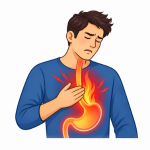
Persistent heartburn or burning sensation in the chest
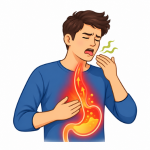
Acid regurgitation or sour taste in the mouth
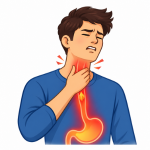
Difficulty swallowing or a feeling of food stuck in the throat
Chronic cough or throat irritation
Hoarseness or voice changes
Bloating, nausea, or frequent belching
Symptoms worsening after meals or while lying down
Heartburn occurring more than twice a week
Why Choose TX Hospitals for Acid Reflux (GERD) Treatment in Hyderabad?
TX Hospitals is known for its comprehensive, evidence-based, and patient-focused approach to managing Gastroesophageal Reflux Disease (GERD). With expertise from leading gastroenterology specialists, patients receive seamless care from accurate diagnosis to long-term symptom control and digestive wellness
Expert Specialists
Skilled gastroenterologists and digestive health experts providing personalised GERD care
Advanced Diagnostics
High-end endoscopy, pH monitoring, and imaging for precise evaluation of acid reflux.
24/7 Emergency Care
Immediate medical support for severe reflux symptoms or complications
Tailored Treatment Plans
Customised medications, diet guidance, and lifestyle management programs.
Cutting-Edge Technology
Advanced endoscopic procedures and minimally invasive treatment options
Affordable Care
Transparent and patient-friendly GERD treatment costs.
TX Hospitals ensures every patient receives effective relief, long-term digestive health support, and a better quality of life through every stage of treatment.
Take the First Step Toward Better Digestive Health
Take control of acid reflux and GERD today with expert support from TX Hospitals. With guidance from experienced gastro specialists, you can manage symptoms effectively, prevent complications and improve your digestive comfort with confidence.
📞 Call 91445 14459 to book your consultation and begin your journey toward lasting relief and better digestive wellness.
Frequently Asked Questions (FAQs)
Acid reflux happens when stomach acid flows back into the esophagus. Frequent or ongoing acid reflux may be diagnosed as GERD.
Common symptoms include heartburn, acid regurgitation, sour taste, bloating, chest discomfort, frequent burping, and difficulty swallowing.
Acid reflux can occur when the lower esophageal sphincter becomes weak or does not work properly. Obesity, hiatal hernia, certain foods, smoking, alcohol, and late-night meals may increase the risk.
Doctors may evaluate your symptoms and medical history and recommend tests such as upper GI endoscopy, esophageal pH monitoring, or esophageal manometry when needed.
Yes. Many people can manage GERD with lifestyle changes and medicines. Treatment depends on the frequency and severity of symptoms.
Surgery or endoscopic treatment may be considered when medicines do not control symptoms or when GERD causes complications.
Spicy and oily foods, citrus, chocolate, caffeine, alcohol, and carbonated drinks may trigger or worsen acid reflux in some people.
Yes. Long-term GERD may lead to esophagitis, ulcers, narrowing of the esophagus, or Barrett’s esophagus.
See a doctor if heartburn occurs frequently, symptoms keep returning, swallowing becomes difficult, or you have persistent regurgitation, cough, or hoarseness.
You can book an appointment with the gastroenterology team at TX Hospitals by calling helpline 9144514459 or visiting TX Hospitals directly.
Our Locations
Find Hospital Near You

TX Hospitals, Uppal

TX Hospitals, Kachiguda

TX Hospitals, Banjara Hills

TX Children Hospitals, Banjara Hills

TX Hospitals, Miyapur
Our
Locations
Find the world-class hospital nearest to you.

TX Hospitals, Uppal
TX Hospitals, Kachiguda
TX Hospitals, Banjara Hills
TX Children Hospitals, Banjara Hills