Best Hospital for Hypothyroidism Treatment in Hyderabad, India
Hypothyroidism happens when your thyroid gland does not make enough hormones. It can cause tiredness, weight gain, dry skin and other health problems. Getting the right treatment can help manage symptoms and improve your daily life. With proper medical care and regular checkups, hypothyroidism treatment in Hyderabad can help patients maintain healthy thyroid levels.
Book an Appointment
Get expert consultation today
What Is Hypothyroidism?
Hypothyroidism, also called an underactive thyroid, is a condition where the thyroid gland does not produce enough hormones for the body. These hormones help control energy, body temperature, metabolism and other important functions.
When thyroid hormone levels are low, you may feel tired, gain weight, experience hair loss or have trouble concentrating. The condition is more common in women but can affect anyone.
Types of Hypothyroidism
Hypothyroidism can occur for different reasons, depending on which part of the body affects thyroid hormone production. Understanding the type helps doctors find the cause and suggest the right treatment.
Primary Hypothyroidism
This is the most common type of hypothyroidism. It happens when the thyroid gland does not produce enough hormones. Common causes include Hashimoto's thyroiditis, iodine deficiency and thyroid surgery. It can cause tiredness, weight gain, dry skin and hair loss.
Secondary Hypothyroidism
Secondary hypothyroidism happens when the pituitary gland in the brain does not produce enough thyroid-stimulating hormone (TSH). As a result, the thyroid gland does not receive the signal to make enough hormones. It may occur due to pituitary problems, injuries or certain medical conditions.
Subclinical Hypothyroidism
This is a mild form of hypothyroidism where TSH levels are high, but thyroid hormone levels remain normal. Some people may feel tired or have mild symptoms, while others may not notice any changes. Regular thyroid tests help doctors decide if treatment is needed.
Congenital Hypothyroidism
Congenital hypothyroidism is present from birth. It happens when a baby's thyroid gland is missing, underdeveloped or unable to produce enough hormones. Early testing and treatment are important for healthy growth and brain development.
Causes and Risk Factors of Hypothyroidism
Hypothyroidism happens when the thyroid gland does not make enough hormones. It can be caused by health problems, certain medicines or changes in the body.
Causes
- When the immune system attacks the thyroid gland
- Not getting enough iodine from food
- Having thyroid surgery or radiation treatment
- Taking certain medicines
- Problems with the pituitary gland
- Having thyroid problems from birth
Risk Factors
- Having thyroid problems in the family
- Being a woman, especially over 60
- Having type 1 diabetes or other immune system problems
- Having thyroid surgery or treatment in the past
- Being pregnant or having recently given birth
- Too little or too much iodine
- Taking certain medicines for a long time
- Having thyroid problems in the past
At TX Hospitals, patients seeking the best hospital for hypothyroidism treatment in Hyderabad can get thyroid tests, medical advice and suitable treatment to manage their thyroid levels and improve their health.
Symptoms of Hypothyroidism: Warning Signs You Shouldn't Ignore
Hypothyroidism often develops slowly, and the symptoms may not be easy to notice at first. As thyroid hormone levels drop, you may start feeling tired, gain weight or notice changes in your skin, hair and daily energy levels.
Early Symptoms
- Feeling tired or weak often
- Gaining weight for no clear reason
- Dry skin or hair loss
- Feeling colder than usual
- Having difficulty passing stools
- Trouble concentrating or remembering things
Advanced Symptoms
- Feeling extremely tired even after resting
- Swelling or puffiness in the face
- Slow heartbeat
- Muscle pain, weakness or stiffness
- Heavy or irregular periods in women
- Feeling low or depressed
- Slower thinking and memory problems
For proper thyroid testing and treatment, patients can consult experienced specialists at TX Hospitals, recognised among the best general physicians in Hyderabad, to help manage symptoms and maintain healthy thyroid hormone levels.
How Is Hypothyroidism Diagnosed at TX Hospitals?
Diagnosing hypothyroidism involves checking thyroid hormone levels, reviewing symptoms and understanding the patient's medical history. Doctors may suggest blood tests and other tests to find the cause of low thyroid hormone levels.
Thyroid Function Tests
Blood tests to check TSH, T3 and T4 levels and see how well the thyroid is working
Physical Examination
Checking for signs like dry skin, swelling in the neck, slow heartbeat and weight changes.
Medical History Review
Reviewing symptoms, family history, medicines and any past thyroid problems.
Thyroid Antibody Tests
Blood tests to check if the immune system is affecting the thyroid gland.
Thyroid Ultrasound
A scan to check the size and shape of the thyroid gland and look for swelling or lumps, if needed.
Additional Tests
Other blood tests or pituitary hormone tests may be suggested in certain cases to find the cause.
At TX Hospitals, patients looking for the top general medicine hospitals near me can receive thyroid testing, medical evaluation and suitable treatment to manage their condition and maintain healthy thyroid hormone levels.
Hypothyroidism Treatment Options: Medications, Lifestyle Changes & Other Treatments
Hypothyroidism can be managed with the right medicines, healthy habits and regular thyroid tests. TX Hospitals provides personalised treatment based on thyroid hormone levels, symptoms and overall health.
Medications
Medicines help replace the thyroid hormones that the body is not making enough of.
Levothyroxine
Replaces the missing thyroid hormone and helps maintain normal thyroid levels.
Thyroid Hormone Replacement
Helps improve symptoms like tiredness, weight gain, dry skin and feeling cold
Dose Adjustments
Doctors may change the medicine dose based on thyroid test results.
Regular Thyroid Monitoring
Blood tests help check whether the medicine is working properly.
Treatment of Related Conditions
Other medicines may be given if the patient has additional health problems.
Complications of Untreated Hypothyroidism
If hypothyroidism is not treated, low thyroid hormone levels can affect different parts of the body. Over time, it may lead to heart problems, changes in mood and other health issues.
Physical Complications
- High cholesterol levels
- Higher risk of heart problems
- Weight gain
- Muscle pain or weakness
- Joint pain or stiffness
- Difficulty getting pregnant
- Heavy or irregular periods
- Nerve problems causing tingling or numbness
- Myxedema coma in rare, severe cases
Psychological & Daily Life Impact
- Feeling tired or weak most of the time
- Trouble focusing or remembering things
- Feeling low or depressed
- Slow thinking and difficulty making decisions
- Sleep problems
- Less energy for daily activities
- Reduced quality of life
Prevention & Lifestyle Management
Hypothyroidism cannot always be prevented, but proper treatment and healthy daily habits can help manage symptoms and prevent complications.
Take Thyroid Medicines Regularly
Take your thyroid medicine as prescribed by your doctor. Do not stop or change the dose without medical advice.
Eat Healthy Food
Include fruits, vegetables, whole grains and protein-rich foods in your daily meals. Avoid taking extra iodine supplements unless your doctor recommends them.
Exercise Regularly
Simple activities like walking, cycling or yoga can help manage weight, improve energy and keep your body active.
Maintain a Healthy Weight
Eating balanced meals and staying active can help manage weight gain linked to hypothyroidism.
Get Enough Sleep
Follow a regular sleep routine and get enough rest to help manage tiredness and improve daily energy.
Monitor Thyroid Hormone Levels
Get thyroid blood tests as advised by your doctor to check whether your hormone levels are within the normal range.
Attend Regular Checkups
Visit your doctor regularly to track thyroid health, adjust medicines when needed and prevent further health problems.
When to Seek Medical Help for Hypothyroidism
You should see a doctor if you notice:
Feeling tired or weak all the time
Gaining weight without any clear reason
Hair loss or dry skin
Feeling cold more often than usual
Swelling in the face or neck
Constipation that does not improve
Heavy or irregular periods
Trouble focusing or remembering things
Why Choose TX Hospitals for Hypothyroidism Treatment in Hyderabad?
TX Hospitals provides care for people with hypothyroidism, from thyroid testing to regular treatment and follow-ups. With support from experienced doctors, patients receive guidance to manage thyroid hormone levels and improve their daily health.
Expert Specialists
Experienced doctors who diagnose and treat thyroid problems.
Advanced Diagnostics
Thyroid blood tests, hormone tests and ultrasound scans when needed.
Complete Thyroid Care
Evaluation and treatment for different types of hypothyroidism and related health problems.
Personalised Treatment Plans
Medicines and lifestyle advice based on each patient's thyroid levels and symptoms.
Regular Monitoring
Follow-up tests to check thyroid hormone levels and adjust medicines when needed.
Patient-Focused Care
Clear explanations and guidance to help patients understand and manage their condition.
Our team helps patients manage hypothyroidism through proper treatment, healthy habits and regular checkups.
Take the First Step Towards Better Thyroid Health
Hypothyroidism can affect your energy, weight, mood and daily activities. If you often feel tired, notice unexplained weight gain or experience other thyroid symptoms, getting tested can help you find the cause.
At TX Hospitals, experienced specialists help patients understand their thyroid condition and choose suitable treatment options. With the right medicines, regular thyroid tests and healthy lifestyle changes, most people with hypothyroidism can manage their symptoms and lead a normal, healthy life.
Don't ignore ongoing thyroid symptoms. Early diagnosis and proper care can help prevent complications and improve your overall health.
Call 9144514459 to book your consultation today.
Frequently Asked Questions (FAQs)
Hypothyroidism is a condition in which the thyroid gland does not produce enough hormones. It can affect energy levels, weight and overall health.
Common symptoms include tiredness, weight gain, hair loss, dry skin, constipation, feeling cold and difficulty concentrating.
It can be caused by thyroid problems, iodine deficiency, certain medicines, thyroid surgery or an autoimmune condition.
In many cases, hypothyroidism requires long-term treatment. With proper medication and regular checkups, most people can manage it well.
Yes, hypothyroidism can cause weight gain because it slows down the body's metabolism. Proper treatment, a healthy diet and regular exercise can help.
Untreated hypothyroidism may cause high cholesterol, heart problems, fertility issues, muscle weakness and memory problems.
Yes, untreated hypothyroidism can affect fertility and pregnancy. Women who are pregnant or planning pregnancy should consult a doctor for proper treatment and monitoring.
Thyroid tests should be done as advised by your doctor. Regular testing helps check whether your treatment is working properly.
Consult a doctor if you have ongoing tiredness, unexplained weight gain, hair loss, dry skin, constipation or feel unusually cold.
Call 9144514459 to book an appointment at TX Hospitals for hypothyroidism consultation and treatment in Hyderabad.
Our Locations
Find Hospital Near You

TX Hospitals, Uppal

TX Hospitals, Kachiguda

TX Hospitals, Banjara Hills
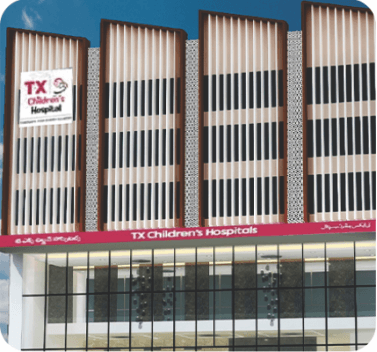
TX Children Hospitals, Banjara Hills

TX Hospitals, Miyapur
Our
Locations
Find the world-class hospital nearest to you.
TX Hospitals, Uppal
TX Hospitals, Kachiguda
TX Hospitals, Banjara Hills
TX Children Hospitals, Banjara Hills