Best Hospital for Benign Prostatic Hyperplasia (BPH) Treatment in Hyderabad, India
Benign prostatic hyperplasia can gradually affect urinary function and quality of life if not managed early. Looking for the best BPH treatment in Hyderabad? Get expert, evidence-based care to relieve symptoms, improve urinary health and help you live comfortably and confidently.
Book an Appointment
Get expert consultation today
What is Benign Prostatic Hyperplasia (BPH)?
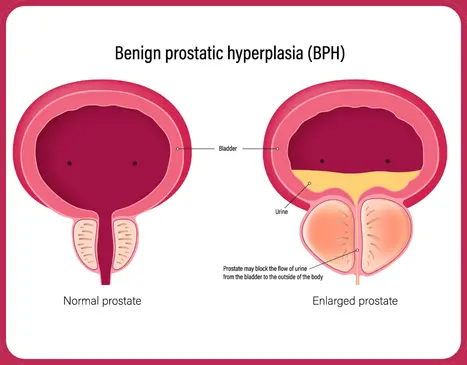
Benign Prostatic Hyperplasia (BPH) is a non-cancerous enlargement of the prostate gland that commonly occurs with aging. As the prostate enlarges, it can press against the urethra and affect normal urine flow, leading to symptoms such as frequent urination, weak urine stream, difficulty starting or stopping urination and incomplete bladder emptying. This condition mainly affects older men, especially those with hormonal changes or a family history of prostate issues. With support from Benign Prostatic Hyperplasia Treatment in Hyderabad at TX Hospitals, patients receive accurate diagnosis, urological evaluation and personalized treatment strategies tailored to improve urinary function and quality of life.
Causes and Risk Factors of Benign Prostatic Hyperplasia (BPH)
Benign Prostatic Hyperplasia (BPH) develops due to non-cancerous enlargement of the prostate gland, which can gradually affect urinary flow and bladder function. It is commonly associated with aging, hormonal changes and lifestyle factors influencing prostate growth.
Primary Causes
- Age-related enlargement of the prostate gland
- Hormonal changes, especially increased dihydrotestosterone (DHT)
- Imbalance between testosterone and estrogen levels
- Overgrowth of prostate tissue compressing the urethra
- Changes in cell growth regulation within the prostate
Risk Factors
- Increasing age (especially above 50 years)
- Family history of prostate enlargement
- Obesity or sedentary lifestyle
- Diabetes or metabolic disorders
- Heart disease or circulatory conditions
- Hormonal imbalances
- Lack of physical activity
- Unhealthy dietary habits
Assessment and prevention strategies are further supported by the comprehensive urology care available with the Best BPH Treatment in Hyderabad, India at TX Hospitals, ensuring early diagnosis, effective symptom management and improved quality of life.
Symptoms of Benign Prostatic Hyperplasia (BPH): Warning Signs You Shouldn’t Ignore
Benign prostatic hyperplasia is a common condition in aging men where the prostate gland enlarges and affects normal urinary flow. Symptoms often develop gradually and can worsen over time if not treated.
Early Symptoms
- Frequent urge to urinate, especially at night (nocturia)
- Difficulty starting urination
- Weak or slow urine stream
- Feeling of incomplete bladder emptying
- Intermittent urine flow
Advanced Symptoms
- Inability to urinate (urinary retention)
- Frequent urinary tract infections
- Pain or discomfort during urination
- Blood in urine
- Severe bladder emptying problems
- Kidney-related complications in prolonged cases
For accurate evaluation and effective management, patients can rely on TX Hospitals, home to some of the top urology doctors in Hyderabad, offering advanced diagnosis, personalized treatment options and comprehensive long-term urological health support.
How is Benign Prostatic Hyperplasia (BPH) Diagnosed at TX Hospitals?
Diagnosing Benign Prostatic Hyperplasia requires a combination of clinical evaluation, urinary assessment and diagnostic tests to determine prostate enlargement and its impact on urinary function.
BPH Diagnosis Process at TX Hospitals
Clinical Evaluation
Assessment of symptoms such as frequent urination, weak urine flow, urgency, nocturia, and incomplete bladder emptying
Physical Examination
Digital rectal examination (DRE) to assess prostate size and consistency
Medical History Review
Evaluation of urinary symptoms, medications, lifestyle factors, and family history
Laboratory Tests
Urine analysis, kidney function tests, and prostate-specific antigen (PSA) levels
Imaging Tests
Ultrasound of prostate and bladder to evaluate enlargement and residual urine volume
Uroflowmetry
Measures urine flow rate to assess obstruction severity
Specialized Tests
Cystoscopy or urodynamic studies if required for detailed evaluation
Patients benefit from structured evaluation at TX Hospitals, ensuring accurate diagnosis, symptom relief planning and effective long-term management of BPH.
Benign Prostatic Hyperplasia (BPH) Treatment Options: Medications, Procedures & Surgery
Benign Prostatic Hyperplasia (BPH) is a common condition in aging men where the prostate enlarges, leading to urinary symptoms. At TX Hospitals, a range of treatments is available to relieve symptoms, improve urine flow and prevent complications across all stages of BPH.
BPH medications work by relaxing prostate muscles, shrinking gland size and improving urinary flow.
Patients benefit from structured evaluation, expert urologists and transparent treatment pathways at TX Hospitals, one of the best hospitals for BPH treatment in Hyderabad, ensuring safe care, effective symptom relief and improved quality of life.
Complications of Untreated Benign Prostatic Hyperplasia (BPH)
Untreated benign prostatic hyperplasia can gradually worsen urinary function and lead to significant complications affecting the bladder and kidneys over time.
Physical Complications
- Urinary retention (inability to pass urine)
- Recurrent urinary tract infections
- Bladder stones
- Bladder damage due to prolonged obstruction
- Kidney damage or chronic kidney disease
- Blood in urine (hematuria)
- Weak urine flow and incomplete bladder emptying
Psychological & Functional Impact
- Increased anxiety due to urinary symptoms
- Poor focus due to frequent urination
- Reduced sleep quality (nocturia)
- Embarrassment and social discomfort
- Reduced daily activity and productivity
- Lowered overall quality of life
- Higher risk of depression
Prevention & Lifestyle Management
Healthy habits and proper care can help manage symptoms of BPH and support long-term urinary health.
Follow a Prostate-Healthy Diet
Include fruits, vegetables, whole grains, and healthy fats while limiting caffeine, alcohol and spicy foods that may irritate the bladder.
Stay Physically Active
Regular exercise helps improve bladder function and reduces urinary symptoms associated with prostate enlargement.
Maintain a Healthy Weight
Keeping a healthy body weight helps reduce pressure on the bladder and improves urinary flow.
Manage Fluid Intake Wisely
Avoid excessive fluid intake, especially before bedtime, and limit evening consumption to reduce nighttime urination.
Follow Medications & Medical Advice
Take prescribed medications regularly to relax prostate muscles or shrink prostate size and improve urine flow.
Attend Regular Urology Check-ups
Routine evaluations help monitor prostate size, urinary function, and detect any complications early.
When to Seek Medical Help for Benign Prostatic Hyperplasia (BPH)
You should contact a doctor if you experience:
Frequent urination, especially at night
Difficulty starting or stopping urination
Weak or interrupted urine stream
Feeling of incomplete bladder emptying
Urgency to urinate
Straining during urination
Dribbling at the end of urination
Pain or discomfort during urination
Why Choose TX Hospitals for Benign Prostatic Hyperplasia (BPH) Treatment in Hyderabad?
TX Hospitals is recognised for its comprehensive, evidence-based and patient-first approach to managing Benign Prostatic Hyperplasia. With excellence drawn from the Best Urology Hospitals in Hyderabad, patients experience coordinated care from early diagnosis to long-term symptom relief and improved urinary health.
Expert Specialists
Skilled urologists and prostate care experts offering personalised treatment plans.
Advanced Diagnostic
Modern ultrasound, uroflowmetry, PSA testing, and imaging for accurate prostate evaluation.
24/7 Emergency Care
Immediate support for acute urinary retention or complications.
Tailored Treatment Plans
Individualised medications, minimally invasive procedures, and lifestyle guidance.
Cutting-Edge Technology
Advanced laser therapies and minimally invasive surgical options for effective BPH management.
Affordable Care
Transparent, patient-friendly BPH treatment costs.
TX Hospitals ensures every patient receives effective relief, expert care, and continuous support through every stage of treatment and recovery.
Take the First Step Toward Better Prostate Health
Take control of Benign Prostatic Hyperplasia (BPH) today with expert support from TX Hospitals. With guidance from experienced urology specialists, you can manage urinary symptoms effectively, improve bladder function, and enhance your overall quality of life with confidence. Call 91445 14459 to book your consultation and begin your journey toward better prostate health and long-term wellness.
Frequently Asked Questions (FAQs)
Benign Prostatic Hyperplasia is a non-cancerous enlargement of the prostate gland that can affect urine flow and cause frequent urination, weak stream, urgency and incomplete bladder emptying.
Early symptoms include frequent urination at night, difficulty starting urination, weak urine flow, dribbling, urgency and a feeling that the bladder is not fully emptied.
No. BPH is a non-cancerous prostate enlargement. However, proper evaluation is important to rule out other prostate-related conditions.
You should consult a urologist if you have frequent urination, weak urine stream, pain while urinating, blood in urine, urinary retention or symptoms affecting sleep and daily life.
At TX Hospitals, BPH is diagnosed through symptom assessment, physical examination, urine tests, PSA levels, ultrasound, uroflowmetry and advanced tests if required
Yes. Mild to moderate BPH can often be managed with medicines, bladder training, fluid control, diet changes and regular urology follow-ups.
Untreated BPH may lead to urinary retention, recurrent urinary tract infections, bladder stones, bladder damage, kidney problems and reduced quality of life.
TX Hospitals offers expert urologists, advanced diagnostics, minimally invasive treatment options, emergency care and personalised prostate health plans for safe and effective BPH management.
You can book an appointment with urology specialists at TX Hospitals by calling 91445 14459 for expert evaluation and personalised BPH treatment guidance.
Our Locations
Find Hospital Near You
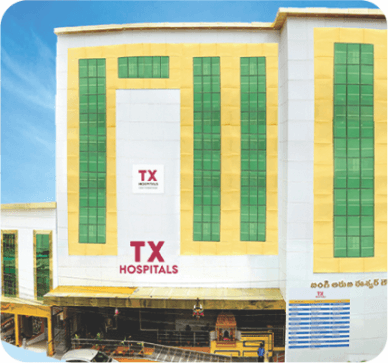
TX Hospitals, Uppal

TX Hospitals, Kachiguda

TX Hospitals, Banjara Hills

TX Children Hospitals, Banjara Hills

TX Hospitals, Miyapur
Our
Locations
Find the world-class hospital nearest to you.

TX Hospitals, Uppal
TX Hospitals, Kachiguda
TX Hospitals, Banjara Hills
TX Children Hospitals, Banjara Hills