Who Needs a Liver Transplant? Key Medical Indications Patients Should Know
Introduction
A Liver Transplant is often perceived as a last-resort treatment, but in reality, it is a life-saving, well-established therapy for patients whose liver can no longer perform its vital functions. Knowing when a liver transplant is needed and recognizing the warning signs early can make a critical difference in survival and long-term quality of life.
At TX Hospitals, Liver Transplantation is approached with timely evaluation, advanced diagnostics and multidisciplinary expertise to ensure the best possible outcomes.
Why the Liver is so important
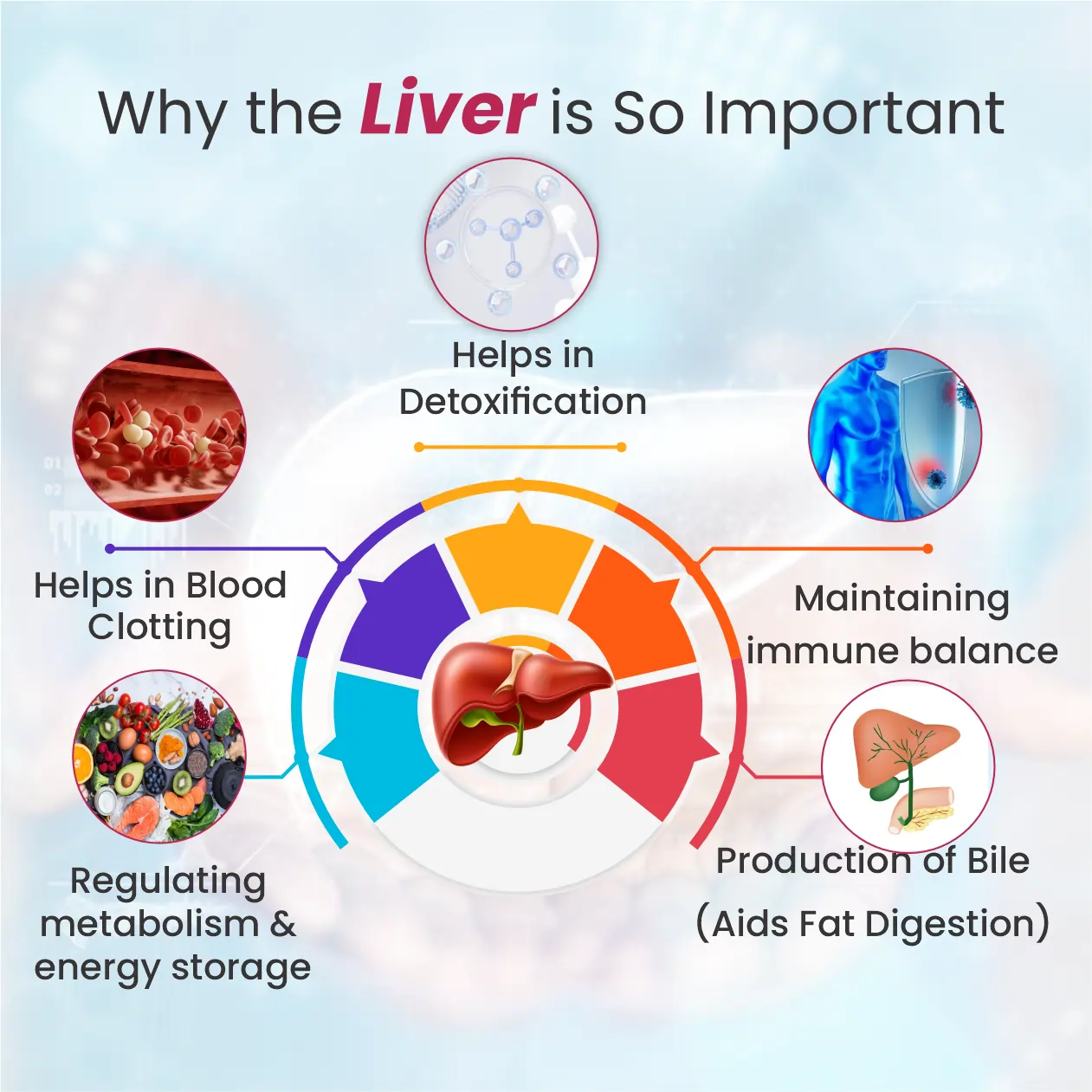
The liver is one of the most vital organs in the body. It plays a central role in:
- Helps in Detoxification
- Helps in Blood Clotting
- Regulating metabolism and energy storage
- Production of Bile (Aids Fat Digestion)
- Maintaining immune balance
When the liver fails, these functions are disrupted, leading to widespread effects on nearly every organ system. Unlike many organs, the liver has remarkable regenerative capacity but there is a point beyond which recovery is no longer possible making transplantation necessary.
When is Liver Transplant Considered?
A Liver Transplant is considered when liver failure becomes irreversible and medical treatment can no longer control complications or sustain life. This may happen suddenly or progress gradually over years, requiring evaluation at the Best Liver Transplant Hospital in Hyderabad such as TX Hospitals.
Broadly, patients who need a liver transplant fall into two categories:
- Acute liver failure
- Chronic end-stage liver disease
Understanding the difference helps clarify who may benefit from transplantation.
Acute Liver Failure: When the Liver Fails Suddenly
Acute Liver Failure occurs when a previously healthy liver rapidly loses function often within days or weeks. This is a medical emergency.
Common causes include:
- Severe viral hepatitis
- Drug-induced liver injury (including overdose)
- Toxin exposure
- Autoimmune hepatitis
Symptoms progress quickly and may include jaundice, confusion, bleeding tendencies and swelling of the brain. When the liver does not recover despite intensive care, urgent liver transplantation becomes the only life-saving option.
Chronic Liver Disease and Cirrhosis
The most common reason for liver transplantation worldwide is chronic liver disease leading to cirrhosis. Cirrhosis occurs when long-term liver damage causes scarring that permanently impairs liver function.
Common causes of cirrhosis include:
- Chronic viral hepatitis
- Alcohol-related liver disease
- Non-alcoholic fatty liver disease
- Autoimmune liver diseases
- Genetic and metabolic liver disorders
In early stages, cirrhosis may be managed medically. However, once it progresses to decompensated cirrhosis, transplantation is often required.
Signs of Decompensated Liver Disease
Patients with decompensated cirrhosis develop complications that signal advanced liver failure, such as:
- Persistent jaundice
- Fluid accumulation in the abdomen (ascites)
- Recurrent infections
- Gastrointestinal bleeding due to varices
- Confusion or altered consciousness (hepatic encephalopathy)
- Severe fatigue and muscle wasting
These warning signs suggest that the liver can no longer sustain normal bodily functions. At this stage, Urgent Evaluation By a Liver Transplant Specialist in Hyderabad is critical to determine transplant eligibility and prevent life-threatening complications. At TX Hospitals, patients receive comprehensive transplant assessments, advanced diagnostics and multidisciplinary care under one roof.
Liver Cancer as an Indication for Transplant
Certain patients with Primary Liver Cancer, particularly hepatocellular carcinoma may be candidates for liver transplantation. In such cases, transplant offers a dual benefit:
- Removal of the tumor
- Replacement of the diseased liver that caused the cancer
Not all liver cancers qualify. Careful evaluation is required to ensure the cancer is limited to the liver and meets established criteria. Early diagnosis plays a key role in making transplantation possible.
Genetic and Metabolic Liver Disorders
Some Liver Diseases are inherited and progressively damage the liver despite medical therapy. These include:
- Metabolic disorders affecting liver function
- Conditions causing abnormal buildup of substances in the liver
- Congenital bile duct disorders
In such cases, transplantation corrects both liver failure and the underlying metabolic problem, significantly improving long-term outcomes.
Cholestatic and Autoimmune Liver Diseases
Certain conditions damage the bile ducts or trigger immune-mediated liver injury. Over time, these diseases can lead to progressive liver failure despite treatment.
Transplantation is considered when:
- Symptoms become disabling
- Liver function deteriorates
- Quality of life is severely affected
Early referral for transplant assessment helps avoid emergency situations.
How Doctors Decide: Medical Scoring and Evaluation
Liver Transplant decisions are not based on symptoms alone. Specialists use structured medical assessments to determine urgency and suitability, including:
- Blood tests to assess liver and kidney function
- Imaging to evaluate liver structure and complications
- Scoring systems that estimate disease severity
- Assessment of overall health and fitness for surgery
This systematic approach ensures that transplantation is offered to patients who will benefit most.
Timing Matters: Why Early Referral Is Crucial
One of the biggest misconceptions is waiting until the patient is “too sick” before considering transplant. In reality, early evaluation improves outcomes. Delayed referral may limit transplant options or increase surgical risk.
Patients and families should seek specialist advice when liver disease begins to cause repeated hospitalizations, worsening symptoms or declining quality of life.
Who May not be a Candidate?
Not every patient with liver disease is eligible for transplantation. Factors such as uncontrolled infection, severe heart or lung disease, or inability to tolerate surgery may affect eligibility.
This is why early and comprehensive evaluation is essential to optimize health and address reversible risks wherever possible.
Life after Liver Transplant
A Liver Transplant is not just a surgery, it is a new phase of life. Most recipients experience dramatic improvement in health, energy and daily function. With proper follow-up and adherence to medical guidance, many patients return to active, productive lives.
Long-term success depends on:
- Regular medical follow-up
- Medication adherence
- Healthy lifestyle choices
- Ongoing monitoring
Liver Transplant Evaluation and Care at TX Hospitals
If you or your loved one has advanced liver disease, recurrent complications, or has been advised about transplantation, expert evaluation is essential. TX Hospitals offers comprehensive liver transplant assessment supported by advanced diagnostics, Experienced Hepatologists and multidisciplinary care teams.
Call +91 9144514459 to schedule a Liver Transplant consultation and take the next step toward informed, life-saving care.
Disclaimer
The information provided in this blog is for general health awareness and educational purposes only. It should not be considered a substitute for professional medical advice, diagnosis or treatment. The content may not apply to every individual's health condition. Always consult a qualified healthcare professional for any medical concerns or treatment decisions. Do not ignore or delay medical advice based on the information shared in this blog.
Share this






Book Appointment
Categories
- Health Care
- Mother & Child
- Pediatric
- Health Days
- Urology
- Dental
- Gastroenterology
- Neurology
- Gynecology
- Orthopedics
- Cardiology
- Oncology
- Robotic Sciences
- Nephrology
- Rheumatology
- Pulmonology
- Cardiothoracic & Vascular Surgery
- Internal Medicine
- General Medicine
- Gastroeneterology
- Endocrinology
- Dermatology
- Pediatric Urologist
- Ophthalmology
- Gynecologist
- Ophthalmologist
- Ent
- Psychiatry
- Pediatrician
- Health Day
- Orthopaedics
- Spine Surgery
- General Physician
- Awarness Day
- Liver Transplantation Surgery
- Robotic Gastrointestinal (GI) Surgery
- Cardiac Sciences
- internal medicine
- General Surgeries
- Health care
- ENT
- cardiothoracic & vascular surgery
- Pediatric Neurologist
- Gastroenterologist
- Gynecology Hospitals
- oncology
- Trauma Surgeons
- Neuro Sciences
- Internal Madicine
- cardiac sciences
- Genecology
- Dietician
- Diabetology
, , ,