Why Are Your Gums Bleeding Causes Every Adult Should Know
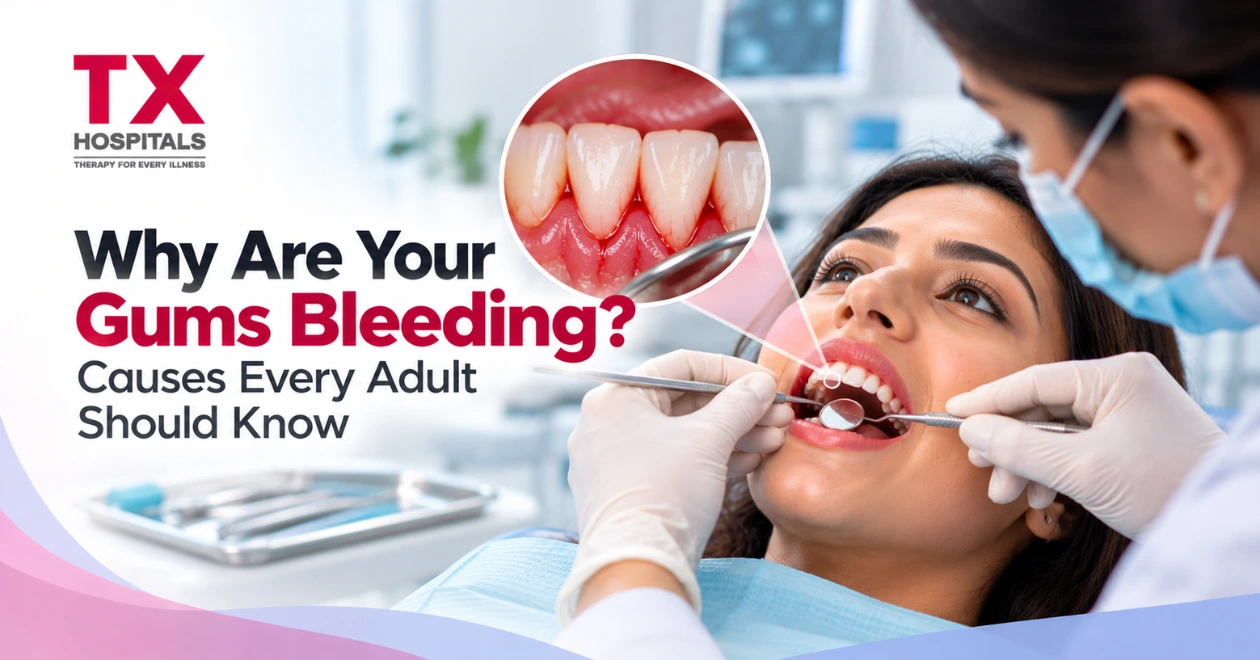
What Causes Bleeding Gums?
Gums usually bleed when the tissues around the teeth become irritated, inflamed or injured. In many adults, the problem begins gradually and may not cause noticeable discomfort in the early stages.
Here are some of the most common reasons.
1. Plaque Build-Up
Plaque is a soft, sticky layer that continuously forms on the teeth. When it is not removed properly through brushing and flossing, bacteria can collect close to the gumline.
Over time, this can irritate the gums and make them red, swollen and more likely to bleed.
Plaque build-up is one of the most common reasons adults notice blood while brushing.
2. Gingivitis
Gingivitis is the early stage of gum disease. It commonly develops when plaque remains around the teeth for a long time.
Common signs include:
- Bleeding while brushing
- Red or swollen gums
- Tender gums
- Bad breath
- Mild discomfort around the gumline
At this stage, the problem can often be controlled with good oral hygiene and professional dental cleaning.
3. Gum Disease
If gingivitis is ignored, the infection may progress deeper into the tissues supporting the teeth.
This more advanced form of gum disease can lead to:
- Frequent gum bleeding
- Gum recession
- Persistent bad breath
- Gaps developing between teeth
- Pain while chewing
- Loose teeth
Early dental treatment is important because advanced gum disease may eventually affect the stability of the teeth.
4. Brushing Too Hard
Some people believe brushing harder cleans the teeth better. In reality, too much pressure can injure the gums.
Using a hard-bristled toothbrush or brushing aggressively may cause bleeding, soreness and even gradual gum recession.
Choose a soft-bristled toothbrush and use gentle movements rather than scrubbing the teeth.
5. Irregular Flossing
If you suddenly start flossing after not doing it for a long time, you may notice mild bleeding for the first few days.
This can happen because the gums between the teeth are already sensitive or inflamed.
Regular and gentle flossing helps remove food particles and plaque from areas that a toothbrush may not reach easily.
6. Tartar Build-Up
When plaque remains on the teeth, it can gradually harden into tartar.
Tartar tends to collect around the gumline and can continue irritating the surrounding tissues. Unlike normal plaque, it cannot usually be removed completely with brushing at home.
A professional dental cleaning may be required to remove these hardened deposits.
7. Vitamin Deficiency
Poor nutrition can sometimes affect gum health.
Low levels of certain vitamins, particularly vitamin C and vitamin K, may contribute to increased gum sensitivity or bleeding in some people.
If gum bleeding continues despite good oral hygiene, your dentist or doctor may recommend checking for nutritional or other health-related causes.
8. Hormonal Changes
Hormonal changes can make the gums more sensitive than usual.
This is commonly noticed during pregnancy, when increased sensitivity to plaque may lead to swollen or bleeding gums.
Maintaining regular dental care during pregnancy is important, particularly if gum problems become frequent.
9. Diabetes
People with poorly controlled diabetes may have a higher risk of developing gum infections.
High blood sugar can affect the body's ability to fight infection and may make gum problems more difficult to manage.
Frequent gum bleeding, swelling or infection in a person with diabetes should not be ignored.
10. Smoking and Tobacco Use
Smoking and tobacco use can damage gum tissues and increase the risk of gum disease.
Interestingly, smokers may not always notice obvious bleeding because tobacco can affect blood circulation in the gums. This means gum disease may sometimes progress without clear early symptoms.
Regular dental check-ups are especially important for people who smoke or use tobacco products.
When Should You See a Dentist for Bleeding Gums?
Occasional bleeding caused by brushing too hard may settle after improving your brushing technique. However, repeated bleeding should be checked.
Consult a dentist if you notice:
- Gums bleeding almost every day
- Red or swollen gums
- Persistent bad breath
- Pain or tenderness around the gums
- Gums pulling away from the teeth
- Pus around the gumline
- Loose teeth
- Pain while chewing
- Gum bleeding that continues for several days
It is better to identify the cause early rather than wait until the condition becomes painful.
How Can You Prevent Bleeding Gums?
Simple daily habits can make a major difference to gum health.
- Brush Twice a Day: Brush gently for about two minutes using a soft-bristled toothbrush. Pay attention to the area where the teeth meet the gums.
- Clean Between Your Teeth: Use floss or an interdental cleaning method regularly to remove plaque from between the teeth.
- Avoid Aggressive Brushing: Hard brushing can damage both the gums and the tooth surface. Gentle brushing is usually more effective and safer.
- Get Regular Dental Cleaning: Even with good brushing, tartar can develop over time. Professional cleaning helps remove deposits that cannot be cleared at home.
- Avoid Tobacco: Quitting smoking or tobacco use can significantly support gum health and reduce the risk of periodontal problems.
- Manage Existing Health Conditions: Conditions such as diabetes can affect gum health. Keeping them under control can also help reduce oral health complications.
Can Bleeding Gums Be Treated?
Yes. In most cases, bleeding gums can be managed once the underlying cause is identified.
Mild gum inflammation may improve with better oral hygiene and professional cleaning. If gum disease has progressed, your dentist may recommend deeper cleaning or other periodontal treatments.
The sooner gum problems are treated, the easier it usually is to protect the teeth and supporting tissues.
Don’t Ignore Repeated Gum Bleeding
Bleeding gums are common, but they should not be considered normal when they happen regularly. What starts as mild gum inflammation can gradually develop into a more serious dental problem if left untreated.
At TX Hospitals, our dental team provides evaluation and treatment for bleeding gums, gum infections, tooth problems and other oral health concerns. If you are looking for the best dental hospital in Hyderabad, TX Hospitals provides timely dental care can help protect both your gums and teeth.
If your gums bleed frequently while brushing or flossing, schedule a dental check-up instead of waiting for the problem to worsen.
For appointments at TX Hospitals, call +91 91445 14459.
TX Hospitals – Banjara Hills | Kachiguda | Uppal | Miyapur
Frequently Asked Questions
Disclaimer
The information provided in this blog is for general health awareness and educational purposes only. It should not be considered a substitute for professional medical advice, diagnosis or treatment. The content may not apply to every individual's health condition. Always consult a qualified healthcare professional for any medical concerns or treatment decisions. Do not ignore or delay medical advice based on the information shared in this blog.
Share this






Book Appointment
Categories
- Health Care
- Mother & Child
- Pediatric
- Health Days
- Urology
- Dental
- Gastroenterology
- Neurology
- Gynecology
- Orthopedics
- Cardiology
- Oncology
- Robotic Sciences
- Nephrology
- Rheumatology
- Orthopaedics
- Pulmonology
- Internal Medicine
- General Medicine
- Gastroeneterology
- Endocrinology
- Dermatology
- Pediatric Urologist
- Ophthalmology
- Gynecologist
- Ophthalmologist
- Ent
- Psychiatry
- Pediatrician
- Health Day
- General Physician
- Awarness Day
- Liver Transplantation Surgery
- internal medicine
- General Surgeries
- Health care
- ENT
- cardiothoracic & vascular surgery
- Pediatric Neurologist
- Gastroenterologist
- Gynecology Hospitals
- oncology
- Trauma Surgeons
- Neuro Sciences
- Internal Madicine
- cardiac sciences
- Genecology
- Dietician
- Diabetology