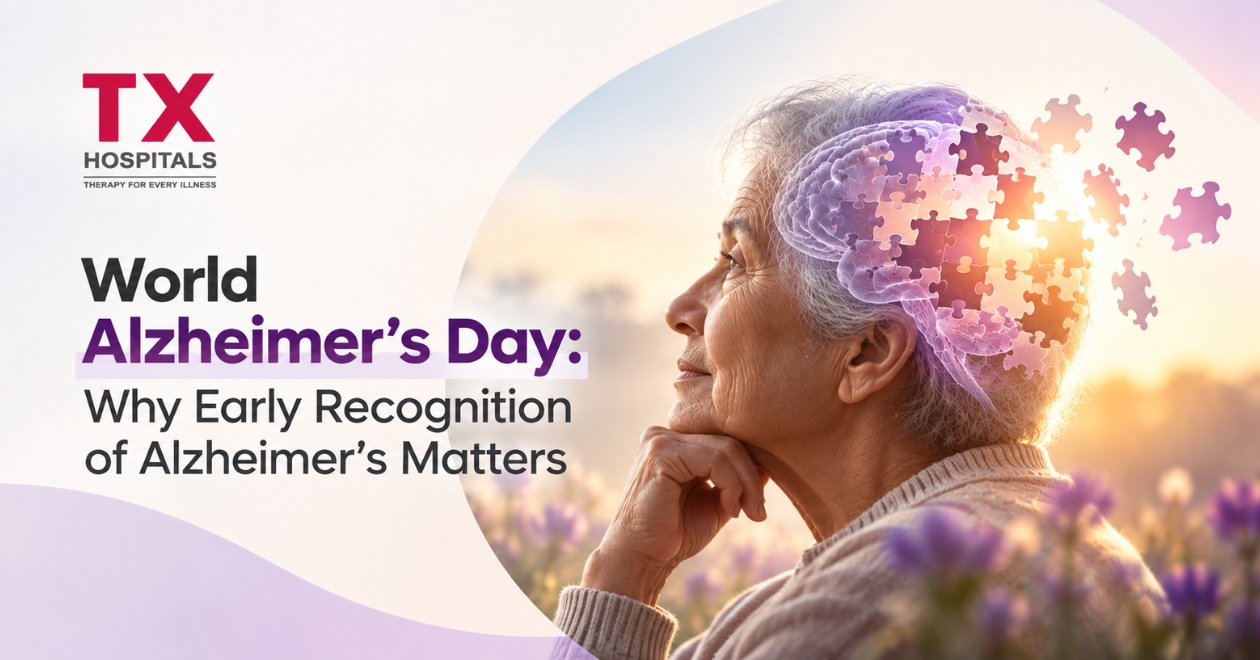
World Alzheimer’s Day: Why Early Recognition of Alzheimer’s Matters
Forgetting a name, losing your keys or missing an appointment once in a while can happen to anyone. But when memory problems become frequent or start affecting everyday life, it may be time to pay attention.
World Alzheimer’s Day 2026 focuses on the importance of recognising dementia early. The 2026 theme is “The Earlier You Know, The More You Can Do: A Dementia Diagnosis Matters.” The campaign highlights how getting a diagnosis can help people and families understand what is happening and explore available care and support.
What is Alzheimer’s Disease?
Alzheimer’s disease is a condition that affects the brain and can gradually affect memory, thinking, communication and daily activities.
It is the most common form of dementia, but dementia and Alzheimer’s are not the same thing. Dementia is a general term for problems with memory, thinking, or behaviour that affect daily life, while Alzheimer’s is a specific disease that can cause dementia.
When is forgetfulness more than normal?
Everyone forgets things sometimes. Normal forgetfulness may not interfere with everyday activities.
However, repeated changes in memory or thinking may need medical attention. Some signs to watch for include:
- Forgetting recently learned information
- Asking the same questions again and again
- Finding familiar tasks difficult
- Getting confused about time or places
- Having trouble finding the right words
- Losing things more often
- Struggling to manage money or bills
- Changes in mood, behaviour or personality
Having one of these symptoms does not automatically mean a person has Alzheimer’s. Several other health conditions can also cause memory or thinking problems.
Why does early recognition matter?
It is easy to think of memory changes as a normal part of ageing. But noticing these changes early can help a person and their family understand what is happening and seek the right advice.
An early diagnosis can help people plan their care, make lifestyle changes, and understand what support they may need. TX Hospitals, among the top neurology hospitals in Hyderabad, provides care for people experiencing memory and thinking problems.
The next steps can be different for each person and depend on their symptoms and diagnosis.
What happens during an assessment?
If someone is having ongoing memory problems, a doctor may ask about their symptoms, medical history, medicines, and daily activities.
Depending on the situation, the doctor may also recommend:
- Memory or thinking tests
- Blood tests
- Physical and neurological examinations
- Brain imaging
- Other tests when needed
These assessments can help doctors look for possible causes of memory problems and decide what further evaluation may be needed.
Not every memory problem is Alzheimer’s
Memory changes can happen for many reasons. Stress, poor sleep, certain medicines, vitamin deficiencies, depression, and some other health conditions can affect memory and concentration.
This is why it is important not to assume that every memory problem is Alzheimer’s.
A healthcare professional can assess the symptoms and help find the possible cause.
Breaking the Stigma around Dementia
Many people avoid talking about memory problems because they are worried about being judged or labelled. This can sometimes delay conversations with healthcare professionals.
World Alzheimer’s Month 2026 also aims to address the stigma and discrimination surrounding dementia by encouraging greater awareness of early diagnosis.
Talking openly about memory changes can help people feel more comfortable asking for support.
When should you talk to a Doctor?
Consider speaking with a healthcare professional if memory or thinking problems:
- Keep happening
- Are becoming more noticeable
- Affect work or daily activities
- Make it difficult to manage usual tasks
- Cause confusion about familiar places or people
- Are noticed by family members or close friends
Memory problems can happen for different reasons, so getting checked can help find the cause. TX Hospitals offers care from some of the best neurologists in Hyderabad, who can evaluate memory and thinking changes and guide you further.
The earlier you know, the more you can do
World Alzheimer’s Day 2026 reminds us that memory problems should not always be brushed off as normal ageing.
The message “The Earlier You Know, The More You Can Do: A Dementia Diagnosis Matters” highlights the value of recognising concerns, seeking medical advice, and understanding the diagnosis early.
If you or someone close to you is experiencing ongoing changes in memory or thinking, starting a conversation with a healthcare professional can be an important first step.
Notice the changes. Ask questions. Get the right information.
Frequently Asked Questions
Disclaimer
The information provided in this blog is for general health awareness and educational purposes only. It should not be considered a substitute for professional medical advice, diagnosis or treatment. The content may not apply to every individual's health condition. Always consult a qualified healthcare professional for any medical concerns or treatment decisions. Do not ignore or delay medical advice based on the information shared in this blog.
Share this


Book Appointment
Categories
- Health Care
- Mother & Child
- Pediatric
- Health Days
- Urology
- Dental
- Gastroenterology
- Neurology
- Gynecology
- Orthopedics
- Cardiology
- Oncology
- Robotic Sciences
- Nephrology
- Rheumatology
- Orthopaedics
- Pulmonology
- Internal Medicine
- General Medicine
- Gastroeneterology
- Endocrinology
- Dermatology
- Pediatric Urologist
- Ophthalmology
- Gynecologist
- Ophthalmologist
- Ent
- Psychiatry
- Pediatrician
- Health Day
- Spine Surgery
- General Physician
- Awarness Day
- Liver Transplantation Surgery
- internal medicine
- General Surgeries
- Health care
- ENT
- cardiothoracic & vascular surgery
- Pediatric Neurologist
- Gastroenterologist
- Gynecology Hospitals
- oncology
- Trauma Surgeons
- Neuro Sciences
- Internal Madicine
- cardiac sciences
- Genecology
- Dietician
- Diabetology