World COPD Day: How Air Pollution Can Increase the Risk of COPD
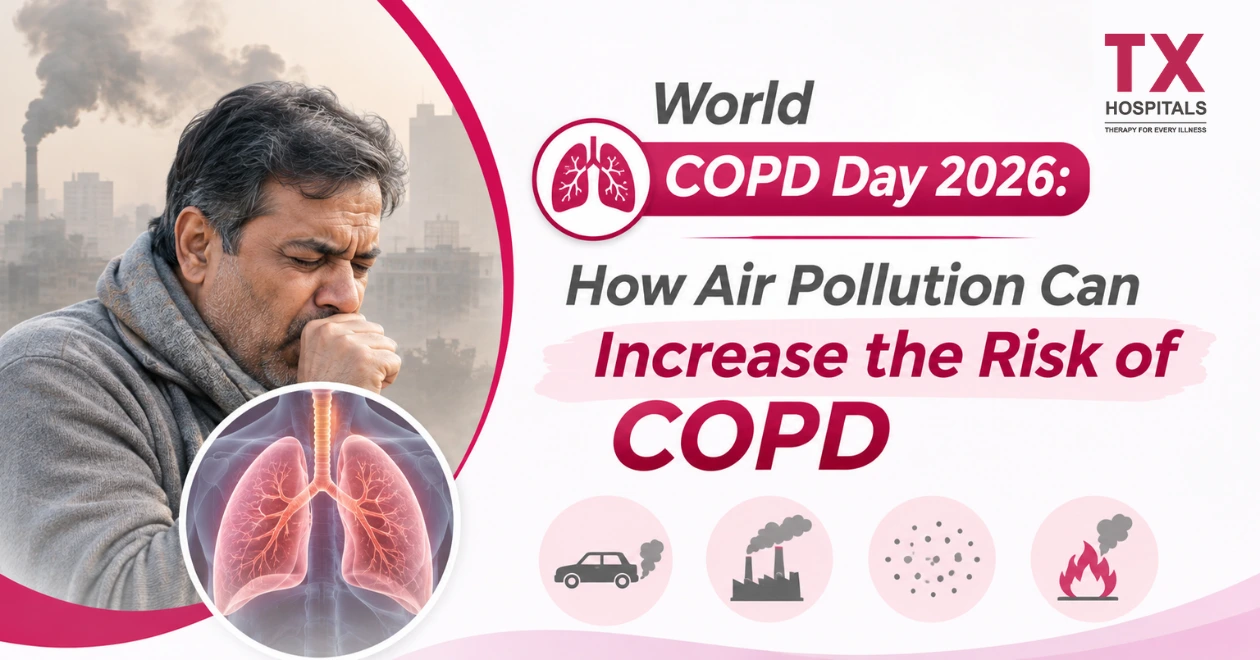
Have you ever experienced coughing, wheezing or breathing discomfort after spending time in traffic or around dust and smoke? Poor air quality can affect your lungs, especially when you are exposed to polluted air regularly.
Air pollution is a major environmental concern that can affect respiratory health. Breathing polluted air over a long period may damage the airways and increase the risk of chronic respiratory conditions, including Chronic Obstructive Pulmonary Disease (COPD).
World COPD Day is observed every year on the third Wednesday of November to raise awareness about COPD, its causes, symptoms and prevention. It also highlights the importance of protecting lung health and reducing exposure to harmful substances in the air.
Understanding how air pollution affects the lungs can help people recognise early warning signs and take steps to protect their breathing.
What Is COPD?
Chronic Obstructive Pulmonary Disease (COPD) is a long-term lung condition that makes it difficult to breathe. It affects the airways and air sacs in the lungs, making it harder for air to move in and out.
COPD mainly includes two conditions:
- Chronic bronchitis: Long-term inflammation of the airways that causes persistent coughing and mucus production.
- Emphysema: Damage to the tiny air sacs in the lungs, which reduces their ability to move oxygen into the blood.
COPD usually develops slowly, and symptoms may become more noticeable over time. Although smoking is a major risk factor, people who have never smoked can also develop COPD due to long-term exposure to air pollution, dust, fumes and other harmful substances.
How Does Air Pollution Affect Your Lungs?
Air pollution contains tiny particles and harmful gases that enter the body when we breathe. Some particles are so small that they can travel deep into the lungs and irritate the airways.
Repeated exposure can cause inflammation and damage to lung tissue. Over time, this may affect how well the lungs work and increase the risk of respiratory conditions such as COPD.
Some common effects of air pollution on the lungs include:
- Irritation and swelling of the airways.
- Increased mucus production.
- Frequent coughing and wheezing.
- Reduced lung function.
- Worsening of existing breathing problems.
People with COPD may experience increased coughing, breathlessness and flare-ups during periods of poor air quality. For expert respiratory care, consult TX Hospitals, among the top pulmonology hospitals in Hyderabad, for timely diagnosis and treatment.
Common Sources of Air Pollution That Can Increase COPD Risk
Air pollution does not come from just one source. Both outdoor and indoor pollutants can affect lung health.
1. Vehicle Exhaust
Cars, buses, trucks and two-wheelers release harmful gases and tiny particles into the air. Spending long hours near busy roads or in traffic can increase exposure to these pollutants.
Regular exposure may irritate the airways and contribute to long-term lung damage.
2. Industrial Smoke and Chemical Fumes
Factories, construction sites and industrial areas may release dust, smoke and chemical fumes. People living or working near these areas may breathe in harmful substances regularly.
Long-term exposure to certain workplace dusts, gases and fumes can increase the risk of developing COPD.
3. Construction Dust
Construction activities can release fine dust particles into the surrounding air. Cement dust, sand, silica and other particles can irritate the respiratory system when inhaled.
People working at construction sites and those living nearby may be exposed to these particles frequently.
4. Indoor Air Pollution
Indoor air pollution can also affect lung health. Cooking with wood, coal, crop waste or other solid fuels in poorly ventilated spaces can release smoke and harmful particles.
Other sources may include:
- Cigarette and tobacco smoke.
- Mosquito coils and incense smoke.
- Dust and mould.
- Strong cleaning chemicals.
- Smoke from cooking without proper ventilation.
Repeated exposure to indoor pollutants can affect the lungs, particularly in people who spend most of their time indoors.
5. Burning Waste and Crop Residue
Burning household waste, leaves and agricultural residue releases smoke and fine particles into the air. These pollutants can travel over long distances and affect people living in nearby areas.
Regular exposure to this smoke can irritate the lungs and worsen breathing problems.
Who Is at a Higher Risk of Developing COPD?
Not everyone exposed to air pollution develops COPD. However, certain people may have a higher risk, especially when exposure continues for several years.
These include:
- People who smoke or are regularly exposed to second-hand smoke.
- People living in areas with high air pollution.
- Workers exposed to dust, fumes and chemicals.
- People using solid fuels for cooking in poorly ventilated homes.
- Older adults.
- People with a family history of COPD or certain genetic conditions.
- Individuals with a history of frequent respiratory infections during childhood.
Reducing exposure to harmful substances is important, especially for people with existing lung conditions.
What Are the Early Warning Signs of COPD?
COPD symptoms may develop gradually. Some people may ignore the early signs, thinking they are caused by ageing, smoking or a common respiratory infection.
Common symptoms include:
- Persistent cough that does not go away.
- Frequent production of mucus or phlegm.
- Breathlessness during walking or physical activity.
- Wheezing or whistling sounds while breathing.
- Tightness in the chest.
- Frequent respiratory infections.
- Feeling tired or low on energy.
As COPD progresses, even simple activities such as climbing stairs, walking short distances or doing household work may become difficult.
Persistent or worsening symptoms should be medically evaluated rather than ignored.
How Is COPD Diagnosed?
COPD symptoms can sometimes resemble those of asthma or other respiratory conditions. Proper evaluation helps identify the cause of breathing difficulties.
Common tests may include:
Spirometry: Measures how much air a person can breathe out and how quickly they can do it. It is an important test for diagnosing COPD.
Chest X-ray: Helps check the lungs and identify other possible causes of breathing problems.
CT scan: Provides detailed images of the lungs when further evaluation is needed.
Oxygen level test: Checks the amount of oxygen in the blood.
Blood tests: May be recommended to assess overall health or investigate other conditions.
Early diagnosis helps detect changes in lung function and supports timely treatment. Consult the best lung doctors in Hyderabad at TX Hospitals for expert evaluation and personalised respiratory care.
How Can You Protect Your Lungs from Air Pollution?
Although it may not be possible to avoid air pollution completely, a few everyday steps can help reduce exposure and support better lung health.
Check air quality: Follow local Air Quality Index (AQI) updates, especially before spending long periods outdoors.
Avoid heavy traffic areas: Choose less crowded routes and avoid spending unnecessary time near vehicle exhaust.
Wear a suitable mask: A well-fitted N95 mask can help reduce exposure to fine particles when pollution levels are high.
Keep indoor spaces ventilated: Use proper ventilation while cooking and avoid smoke build-up inside the house.
Avoid smoking: Stay away from tobacco smoke and second-hand smoke.
Reduce dust exposure: Use suitable protective equipment when working around construction dust or chemicals.
Avoid outdoor exercise during poor air quality: Choose indoor activities when pollution levels are high.
People with COPD should follow their prescribed care plan and take extra precautions during periods of poor air quality.
When Should You Seek Medical Attention?
Breathing problems should not be ignored, especially when they happen frequently or become worse over time.
Consider getting a medical evaluation if you experience:
- A cough that lasts for several weeks.
- Frequent wheezing or chest tightness.
- Breathlessness during everyday activities.
- Regular mucus production.
- Repeated chest infections.
People already diagnosed with COPD should seek prompt medical attention if their breathing suddenly worsens, they experience increased mucus production or the colour of their phlegm changes.
Severe breathing difficulty, chest pain or bluish lips or skin needs emergency medical attention.
Protect Your Lungs, Breathe Better
Air pollution is not always visible, but its effects on lung health can build up over time. Regular exposure to vehicle exhaust, industrial smoke, construction dust and indoor pollutants may increase the risk of COPD and worsen existing respiratory problems.
World COPD Day is a reminder to pay attention to breathing changes and take steps to reduce exposure to harmful air pollutants. Recognising symptoms early, getting timely medical evaluation and protecting lung health can help reduce the impact of respiratory conditions.
Frequently Asked Questions
Disclaimer
The information provided in this blog is for general health awareness and educational purposes only. It should not be considered a substitute for professional medical advice, diagnosis or treatment. The content may not apply to every individual's health condition. Always consult a qualified healthcare professional for any medical concerns or treatment decisions. Do not ignore or delay medical advice based on the information shared in this blog.
Share this






Book Appointment
Categories
- Health Care
- Mother & Child
- Pediatric
- Health Days
- Urology
- Dental
- Gastroenterology
- Neurology
- Gynecology
- Orthopedics
- Cardiology
- Oncology
- Robotic Sciences
- Nephrology
- Rheumatology
- Orthopaedics
- Pulmonology
- Internal Medicine
- General Medicine
- Gastroeneterology
- Endocrinology
- Dermatology
- Pediatric Urologist
- Ophthalmology
- Gynecologist
- Ophthalmologist
- Ent
- Psychiatry
- Pediatrician
- Health Day
- General Physician
- Awarness Day
- Liver Transplantation Surgery
- internal medicine
- General Surgeries
- Health care
- ENT
- cardiothoracic & vascular surgery
- Pediatric Neurologist
- Gastroenterologist
- Gynecology Hospitals
- oncology
- Trauma Surgeons
- Neuro Sciences
- Internal Madicine
- cardiac sciences
- Genecology
- Dietician
- Diabetology