World Heart Day 2026: How to Reduce Your Risk of Heart Disease
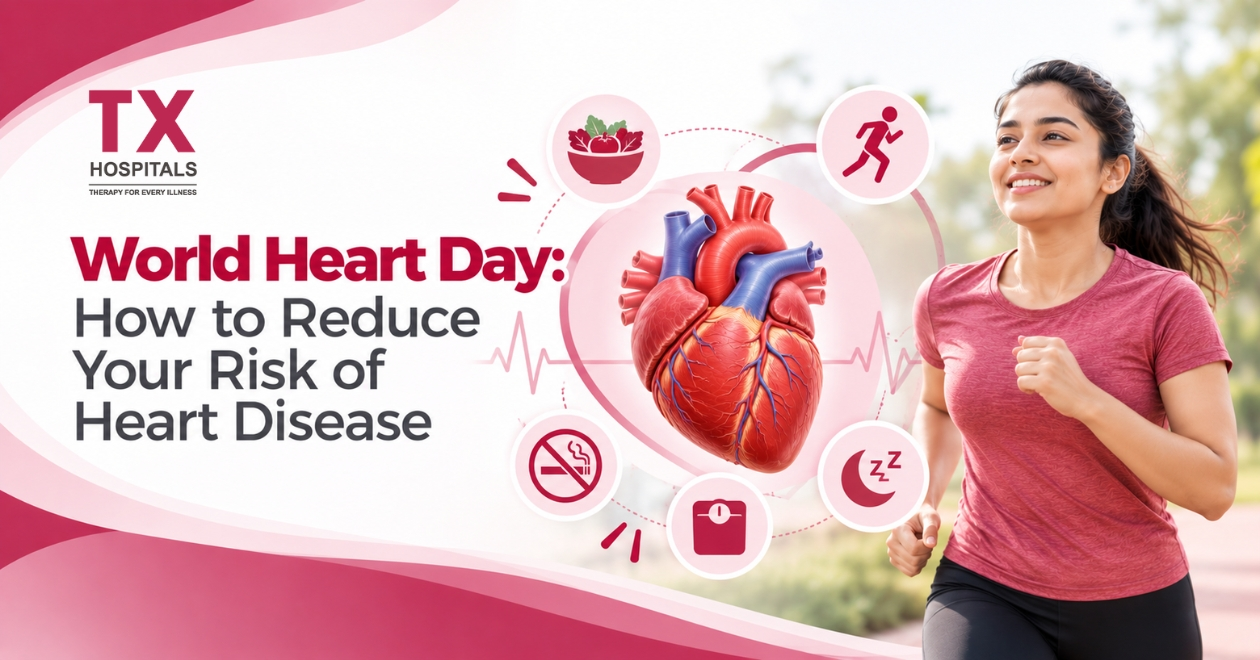
Your heart works every minute of every day, often without getting much attention until something feels wrong. But heart health is something worth thinking about long before symptoms begin.
Observed every year on September 29, World Heart Day raises awareness about cardiovascular disease (CVD) and encourages people to take better care of their hearts. The World Heart Day 2026 theme, “Don’t Miss a Beat,” focuses on recognising heart disease signs that may be overlooked and taking action to protect heart health.
Heart disease remains a major health concern worldwide, but many risk factors can be prevented or managed. Simple changes in everyday life can make a meaningful difference to your heart health.
Why heart disease prevention matters
Heart disease does not always begin with obvious symptoms. Problems such as high blood pressure, high cholesterol or high blood sugar can develop quietly over time.
According to the World Health Organization, cardiovascular diseases are the leading cause of death globally. Important risk factors include an unhealthy diet, physical inactivity, tobacco use, harmful alcohol use, high blood pressure, high blood sugar and abnormal cholesterol levels.
The good news is that taking care of these risk factors can help lower the chances of developing cardiovascular disease.
Know your heart health numbers
You may feel perfectly healthy and still have risk factors for heart disease.
Regular health checks can help monitor:
- Blood pressure
- Blood sugar
- Cholesterol levels
- Body weight
High blood pressure, sugar and cholesterol can increase heart disease risk. TX Hospitals, one of the best cardiology hospitals in Hyderabad, offers heart check-ups to identify these risks early.
Keep your body moving
You do not need a complicated fitness routine to start caring for your heart. Walking, cycling, swimming, dancing or other activities you enjoy can help you stay active.
Regular physical activity supports cardiovascular fitness and is associated with a lower risk of coronary heart disease, high blood pressure and stroke.
The World Heart Federation's 2026 “Don’t Miss a Beat” campaign also encourages people to move more as part of protecting their hearts.
Start at a comfortable level and gradually make movement a regular part of your day.
Make your meals more heart-friendly
What you eat regularly can affect your blood pressure, cholesterol, weight and overall heart health.
Try to include more:
- Fresh fruits and vegetables
- Whole grains
- Lentils, beans and other pulses
- Nuts and seeds
- Healthy protein sources
At the same time, limit foods that are high in salt, added sugars and unhealthy fats. WHO recommends a varied diet based largely on minimally processed or unprocessed foods.
You don't have to completely change your diet overnight. Small, consistent improvements are easier to maintain.
Cut down on Salt
Too much salt can contribute to high blood pressure, which increases cardiovascular risk. WHO recommends adults consume less than 5 grams of salt per day, equivalent to less than about one teaspoon from all food sources combined.
Simple ways to reduce salt include eating fewer highly processed foods, checking food labels and avoiding adding extra salt at the table.
Stay away from Tobacco
Smoking and other forms of tobacco use can seriously affect your heart and blood vessels. Exposure to second-hand smoke is harmful too.
Tobacco use is a major risk factor for heart disease and stroke, and WHO states that there is no safe level of tobacco exposure.
If you use tobacco, getting professional support to quit can be an important step towards better heart health.
Manage Diabetes, Blood Pressure and Cholesterol
Conditions such as diabetes, hypertension and high cholesterol can increase cardiovascular risk, especially when they are not well controlled.
If you have been diagnosed with any of these conditions, take prescribed medicines as advised, attend regular follow-ups and discuss any changes in your health with your doctor.
Do not stop or change heart, blood pressure, cholesterol or diabetes medicines without medical advice.
Maintain a Healthy Weight
Being overweight can be associated with other cardiovascular risk factors, including high blood pressure, high blood sugar and abnormal cholesterol levels.
Instead of focusing only on the number on the weighing scale, aim for sustainable habits such as regular physical activity, balanced meals, adequate sleep and portion awareness.
Don't ignore possible warning signs
The message “Don’t Miss a Beat” is also a reminder that some signs of cardiovascular disease can be missed or dismissed.
Seek medical attention if you experience symptoms such as:
- Chest pain, pressure or discomfort
- Unexplained shortness of breath
- Sudden dizziness or fainting
- Unusual or persistent palpitations
- Pain or discomfort spreading to the arm, shoulder, back, neck or jaw
- Sudden weakness or numbness
If these symptoms occur, timely medical attention is important. TX Hospitals, with top heart specialists in Hyderabad, provides evaluation and care for various heart conditions. Severe or sudden symptoms may require urgent medical attention.
Don't wait for Symptoms to Care for your Heart
Heart health is not something to think about only when there is a problem. Regular health checks can help identify risk factors such as hypertension, diabetes and high cholesterol before they lead to complications.
People with a family history of heart disease or existing risk factors may need more regular monitoring based on their doctor's advice.
This World Heart Day 2026, remember the message “Don’t Miss a Beat.” Know your risks, pay attention to warning signs and make small heart-healthy choices every day. Your everyday habits can play an important role in protecting your heart for the years ahead.
Frequently Asked Questions
Disclaimer
The information provided in this blog is for general health awareness and educational purposes only. It should not be considered a substitute for professional medical advice, diagnosis or treatment. The content may not apply to every individual's health condition. Always consult a qualified healthcare professional for any medical concerns or treatment decisions. Do not ignore or delay medical advice based on the information shared in this blog.
Share this


Book Appointment
Categories
- Health Care
- Mother & Child
- Pediatric
- Health Days
- Urology
- Dental
- Gastroenterology
- Neurology
- Gynecology
- Orthopedics
- Cardiology
- Oncology
- Robotic Sciences
- Nephrology
- Rheumatology
- Orthopaedics
- Pulmonology
- Internal Medicine
- General Medicine
- Gastroeneterology
- Endocrinology
- Dermatology
- Pediatric Urologist
- Ophthalmology
- Gynecologist
- Ophthalmologist
- Ent
- Psychiatry
- Pediatrician
- Health Day
- Spine Surgery
- General Physician
- Awarness Day
- Liver Transplantation Surgery
- internal medicine
- General Surgeries
- Health care
- ENT
- cardiothoracic & vascular surgery
- Pediatric Neurologist
- Gastroenterologist
- Gynecology Hospitals
- oncology
- Trauma Surgeons
- Neuro Sciences
- Internal Madicine
- cardiac sciences
- Genecology
- Dietician
- Diabetology