World Immunization Day: Why Vaccines Are Important at Every Age
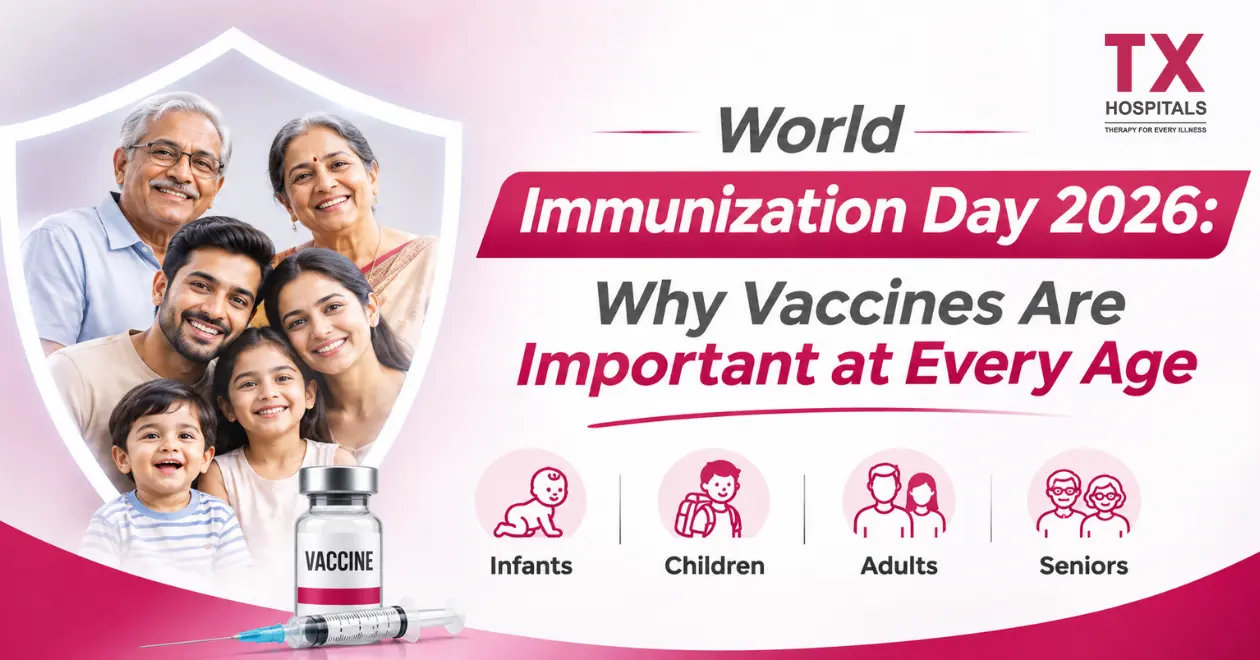
Staying healthy involves more than eating well and staying active. Protecting yourself from preventable diseases is also an important part of healthcare, and vaccination plays a major role in this. From the first vaccines given to babies to recommended vaccines for adults and older people, immunisation helps protect people at different stages of life.
World Immunization Day, observed on November 10, raises awareness about the importance of vaccines and their role in preventing infectious diseases. It also encourages people to stay informed about recommended vaccinations, follow medical advice and understand why timely immunisation matters.
What is world Immunization Day?
World Immunization Day is observed to highlight the importance of vaccination in protecting individuals and communities from vaccine-preventable diseases. It provides an opportunity to spread awareness about vaccine safety, recommended immunisation schedules and the need to complete vaccinations at the appropriate time.
Vaccines help the body's immune system recognise and respond to specific germs. This prepares the body to fight certain infections more effectively if it encounters them in the future.
Immunisation has helped reduce the impact of several serious infectious diseases. However, many vaccine-preventable illnesses can still affect people who are not adequately protected, making continued awareness and access to vaccination important.
Why is Vaccination important at every age?
The body's health needs change throughout life, and protection against infections may need to be updated as well. Some vaccines are given during childhood, while others may be recommended later based on age, health conditions, occupation, travel or previous vaccination history.
Here is how vaccination supports health at different stages of life.
1. Vaccines for Babies and Young Children
Babies and young children need protection against several infections because their immune systems are still developing. Vaccination helps prepare their bodies to fight certain diseases before they are exposed to them.
Depending on the recommended immunisation schedule, childhood vaccines may protect against diseases such as tuberculosis, polio, hepatitis B, diphtheria, tetanus, pertussis, measles and other infections.
Parents should follow the vaccination schedule recommended by their paediatrician and local health authorities. If a child misses a scheduled dose, they should consult a healthcare professional about the appropriate catch-up schedule rather than restarting or changing vaccinations on their own.
2. Vaccines for Teenagers and Adolescents
Vaccination remains important during adolescence. Some vaccines are recommended during these years to provide protection against infections that may cause health problems later in life.
For example, the human papillomavirus (HPV) vaccine helps protect against HPV infections that can cause cervical cancer and several other cancers. Other vaccines or booster doses may also be recommended depending on the individual's vaccination history and local guidelines.
Parents and teenagers can discuss age-appropriate vaccines with a healthcare professional to understand which doses are due and when they should be taken.
3. Vaccines for Adults
Many adults assume that vaccination is needed only during childhood. However, protection against certain infections may decrease over time, and some vaccines are recommended for adults who have not received them earlier.
Depending on age, previous vaccination and individual health needs, adults may be advised to receive vaccines such as:
- Influenza vaccine to help protect against seasonal flu.
- Tetanus and diphtheria boosters, as recommended.
- Hepatitis B vaccine for eligible people who are not already protected.
- HPV vaccine for eligible individuals.
- Other vaccines based on medical conditions, exposure risks or travel plans.
Adults should review their vaccination history with a healthcare professional to identify any recommended vaccines or booster doses.
4. Vaccination During Pregnancy
Vaccination during pregnancy can help protect both the mother and baby against certain infections. Some recommended vaccines also help transfer protective antibodies to the baby before birth, offering protection during the early months of life.
Depending on national guidelines and individual circumstances, vaccines such as tetanus-containing vaccines and influenza vaccines may be recommended during pregnancy. Other vaccines may be advised in specific situations.
Not every vaccine is suitable during pregnancy. Expectant mothers should discuss the recommended vaccines and their timing with their obstetrician rather than taking vaccines without medical guidance.
5. Vaccines for Older Adults
As people grow older, their immune system may become less effective, increasing the risk of complications from certain infections. Vaccines such as influenza, pneumococcal and shingles vaccines may be recommended depending on age and health conditions.
Regular check-ups and updated vaccination records help older adults stay informed about their immunisation needs. TX Hospitals, one of the top general medicine hospitals in Hyderabad, provides medical guidance to help older adults understand recommended vaccines and protect themselves against preventable diseases.
How do Vaccines help prevent diseases?
Vaccines train the immune system to recognise specific germs without requiring a person to experience the full disease in the usual way. When the body encounters the germ later, its immune response may help prevent the infection or reduce the risk of severe illness.
Vaccines offer several important benefits:
- Help prevent infections: Many vaccines protect against specific diseases that can otherwise cause serious illness.
- Reduce the risk of complications: Vaccination can lower the risk of severe outcomes from certain infections.
- Protect vulnerable people: High vaccination coverage can reduce the spread of some infections, helping protect people who cannot receive certain vaccines or who may respond less strongly to them.
- Support public health: Immunisation programmes help control and, in some cases, eliminate or eradicate particular diseases.
- Reduce the burden on healthcare services: Preventing vaccine-preventable illnesses can reduce avoidable hospital visits and admissions.
No vaccine provides complete protection in every situation. However, recommended vaccines remain an important tool for preventing disease and reducing its impact.
Are Vaccines safe?
Vaccines are evaluated for safety and effectiveness before they are approved for use. They are also monitored after approval to identify and assess potential safety concerns.
Like other medical products, vaccines can cause side effects. Common reactions include temporary pain or swelling at the injection site, mild fever or tiredness. These effects usually settle within a short time.
Serious reactions are rare, but they can occur. People should inform their healthcare professional about previous severe allergic reactions, vaccine-related problems or other relevant medical conditions before vaccination.
If a person experiences difficulty breathing, swelling of the face or throat, or other signs of a severe allergic reaction after vaccination, they should seek emergency medical care.
What should you do if you miss a Vaccine dose?
Missing a vaccine dose does not always mean that you need to start the entire schedule again. The next step depends on the vaccine, the person's age and the doses already received.
If you or your child has missed a scheduled vaccination, consider these steps:
- Check the vaccination card or available medical records.
- Contact your doctor or vaccination centre for guidance.
- Ask about the appropriate catch-up schedule.
- Keep a record of the doses received and the dates of future vaccinations.
Avoid taking extra doses or changing the schedule without guidance. If you need help getting vaccinations back on track, consult the best general physicians near me at TX Hospitals for appropriate guidance.
How can you stay up to date with Vaccinations?
Keeping track of vaccinations can be simple with a little planning. A few practical steps can help you and your family stay informed.
- Maintain vaccination records for every family member.
- Follow the immunisation schedule recommended by your healthcare professional.
- Ask about booster doses when attending routine health check-ups.
- Inform your doctor about long-term health conditions, pregnancy or medicines that may affect vaccination decisions.
- Check whether any additional vaccines are recommended before international travel.
- Consult a healthcare professional if you are unsure which vaccines you have received.
Recommended vaccines can differ based on age, medical history, local guidelines and individual risk factors. Personalised advice helps ensure that vaccination decisions suit each person's needs.
Every Vaccine counts: make immunisation part of your Health routine
Protecting your health is a lifelong process, and vaccination is an important part of it. From childhood immunisation to recommended adult and older-adult vaccines, staying up to date can help reduce the risk of several preventable diseases.
This World Immunization Day, take a moment to check your vaccination records and those of your family. Speak with a healthcare professional about any missed doses, recommended boosters or vaccines that may be suitable for your age and health needs.
A simple conversation with your doctor can help you understand your vaccination needs and take informed steps towards better protection at every stage of life.
Disclaimer
The information provided in this blog is for general health awareness and educational purposes only. It should not be considered a substitute for professional medical advice, diagnosis or treatment. The content may not apply to every individual's health condition. Always consult a qualified healthcare professional for any medical concerns or treatment decisions. Do not ignore or delay medical advice based on the information shared in this blog.
Share this






Book Appointment
Categories
- Health Care
- Mother & Child
- Pediatric
- Health Days
- Urology
- Dental
- Gastroenterology
- Neurology
- Gynecology
- Orthopedics
- Cardiology
- Oncology
- Robotic Sciences
- Nephrology
- Rheumatology
- Pulmonology
- Cardiothoracic & Vascular Surgery
- Internal Medicine
- General Medicine
- Gastroeneterology
- Endocrinology
- Dermatology
- Pediatric Urologist
- Ophthalmology
- Gynecologist
- Ophthalmologist
- Ent
- Psychiatry
- Pediatrician
- Health Day
- Orthopaedics
- Spine Surgery
- General Physician
- Awarness Day
- Liver Transplantation Surgery
- Robotic Gastrointestinal (GI) Surgery
- Cardiac Sciences
- internal medicine
- General Surgeries
- Health care
- ENT
- cardiothoracic & vascular surgery
- Pediatric Neurologist
- Gastroenterologist
- Gynecology Hospitals
- oncology
- Trauma Surgeons
- Neuro Sciences
- Internal Madicine
- cardiac sciences
- Genecology
- Dietician
- Diabetology