World Iodine Deficiency Day: Signs Your Body May Not Be Getting Enough Iodine
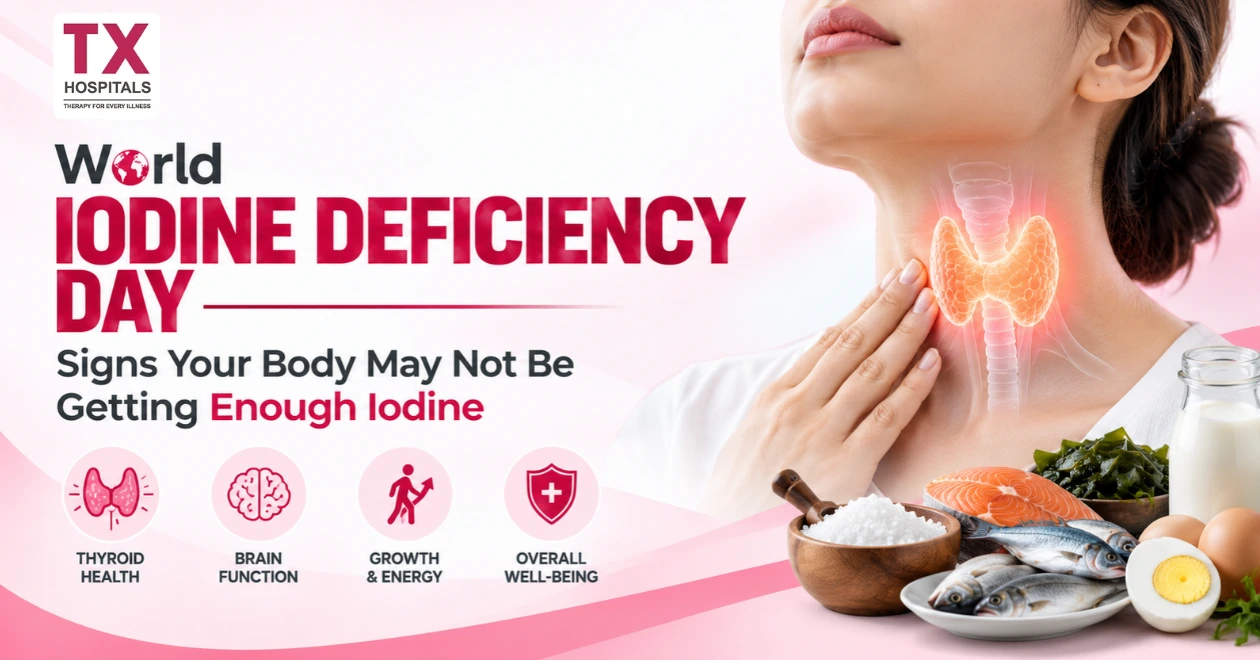
World Iodine Deficiency Day, observed every year on October 21, reminds us of the importance of iodine in maintaining good health. Although our body needs iodine only in small amounts, not getting enough of it can affect thyroid function, metabolism, growth and development.
Many people may not realise they are consuming too little iodine because the symptoms can develop slowly. Feeling unusually tired, gaining weight without an obvious reason or noticing swelling around the neck may sometimes be linked to an underactive thyroid caused by iodine deficiency.
This World Iodine Deficiency Day 2026, let's understand why iodine matters, how to recognise possible signs of deficiency and what you can do to maintain healthy iodine levels.
What is Iodine and why does your Body need it?
Iodine is an essential mineral that helps the thyroid gland produce hormones. The thyroid is a small, butterfly-shaped gland located at the front of your neck.
Thyroid hormones play an important role in several body functions, including:
- Helping the body use energy
- Supporting healthy growth and development
- Keeping body temperature normal
- Helping the body burn calories and use energy
- Supporting the baby's brain development during pregnancy and early childhood
- Keeping the heart and other organs working properly
Since the body cannot produce iodine on its own, we need to get it through our diet. When iodine intake remains too low for a long time, the thyroid may struggle to produce enough hormones. This can eventually lead to thyroid-related health problems.
7 Signs your Body may not e getting enough iodine
Iodine deficiency does not always cause noticeable symptoms in the early stages. However, when it affects thyroid hormone production, certain changes may begin to appear.
1. Feeling Tired Even After Getting Enough Rest
Do you often feel exhausted despite sleeping well?
Low thyroid hormone levels can slow down the body's metabolism, making you feel tired or less energetic than usual.
You may also find it difficult to concentrate or complete everyday activities.
However, tiredness can have several causes, including anaemia, poor sleep and other nutritional deficiencies.
If you experience constant tiredness, TX Hospitals, one of the best general medicine hospitals in Hyderabad, offers medical evaluation to help identify the possible cause.
2. Unexplained Weight Gain
If you are gaining weight without making major changes to your diet or physical activity, an underactive thyroid could be one possible reason.
Thyroid hormones help regulate metabolism. When hormone levels are low, the body may use energy more slowly.
This can contribute to weight gain, although iodine deficiency is not a common explanation for every case of unexplained weight gain.
3. Swelling in the Neck
One of the more recognisable signs of long-term iodine deficiency is an enlarged thyroid gland, known as a goitre.
When your body doesn't get enough iodine, the thyroid gland may become enlarged as it tries to make enough hormones.
You may notice:
- Swelling at the front of your neck
- A tight feeling in your throat
- Trouble swallowing
- Discomfort around your neck
Not every neck swelling is caused by iodine deficiency. Any new or persistent swelling should be examined by a endocrinologist.
4. Dry Skin and Increased Hair Fall
Have you noticed that your skin feels unusually dry or your hair is becoming thinner?
Low thyroid hormone levels can affect normal skin and hair function.
Some people may experience dry or rough skin, increased hair shedding or changes in hair texture.
These symptoms can also occur because of ageing, stress and other nutritional or medical conditions.
5. Feeling Cold More Often Than Others
If you frequently feel cold even when people around you are comfortable, it could sometimes be related to low thyroid hormone levels.
Thyroid hormones help regulate how the body produces and uses heat.
When thyroid function slows down, you may become more sensitive to cold temperatures.
6. Difficulty Concentrating or Remembering Things
Thyroid hormones also support normal brain function.
When hormone levels become too low, some people may experience:
- Difficulty concentrating
- Forgetfulness
- Slower thinking
- Reduced mental alertness
These symptoms are not specific to iodine deficiency and may have several other causes.
7. Irregular or Heavy Menstrual Periods
Women with an underactive thyroid may notice changes in their menstrual cycles.
These changes can include heavier periods, irregular cycles or menstrual disturbances.
However, menstrual changes can also occur due to PCOS, hormonal imbalances and other gynaecological conditions.
A medical evaluation can help identify the actual cause.
Who is more Likely to Develop iodine deficiency?
Although iodine deficiency can affect anyone, certain groups may have a higher risk.
Pregnant and Breastfeeding Women
Iodine requirements increase during pregnancy and breastfeeding because iodine supports the baby's brain development and thyroid function.
People Who Do Not Use Iodised Salt
Regularly consuming non-iodised salt without obtaining enough iodine from other foods may increase the risk of deficiency.
People Following Restrictive Diets
Individuals who avoid seafood, dairy products and eggs may have lower iodine intake, particularly if they do not use iodised salt.
People Living in Iodine-Deficient Regions
In some regions, the soil and locally produced foods naturally contain low amounts of iodine.
How can Iodine Deficiency affect your Health?
When iodine deficiency continues without correction, it may lead to several health problems.
These may include:
- Goitre: The thyroid gland becomes larger than normal, causing swelling in the neck.
- Hypothyroidism: The thyroid gland does not make enough hormones for the body.
- Pregnancy Complications: Severe iodine deficiency can increase the risk of miscarriage and other pregnancy-related problems.
- Brain Development Problems: Not getting enough iodine during pregnancy or early childhood can affect a child's brain development and learning abilities.
- Growth and developmental problems: Severe deficiency in children may interfere with normal physical and neurological development.
Iodine deficiency can be especially harmful during pregnancy and childhood. If you have concerns about your thyroid health, consult a top endocrinologist in Hyderabad at TX Hospitals for proper evaluation and treatment guidance.
Which Foods are Good Sources of Iodine?
One of the simplest ways to prevent iodine deficiency is to include reliable iodine sources in your everyday diet.
Iodised Salt
An important dietary source of iodine. Choose adequately iodised salt for regular household use without increasing your total salt intake.
Fish and Seafood
Many types of fish and seafood naturally contain iodine, although the amount varies.
Milk and Dairy Products
Milk, curd and other dairy products can contribute to daily iodine intake.
Eggs
Eggs, particularly the yolks, provide some iodine along with other nutrients.
The iodine content of foods can vary depending on where they are produced and how they are processed.
How is Iodine Deficiency diagnosed?
If you are experiencing symptoms that suggest a thyroid problem, your doctor may recommend an evaluation.
This may include:
- Thyroid function tests: TSH and free T4 blood tests help assess thyroid hormone function.
- Physical examination: The doctor may check for swelling or enlargement of the thyroid gland.
- Thyroid ultrasound: This may be recommended if an enlarged thyroid or thyroid nodules are suspected.
- Urinary iodine testing: This is mainly used to assess iodine levels in populations. A single urine sample is not usually reliable for diagnosing deficiency in an individual.
Thyroid blood tests can detect thyroid problems but may not confirm iodine deficiency. If you notice symptoms, consult the best general physicians in Hyderabad at TX Hospitals for proper evaluation and guidance.
Simple ways to prevent Iodine Deficiency
Preventing iodine deficiency often starts with a few practical dietary habits.
- Use adequately iodised salt at home while keeping overall salt consumption within recommended limits.
- Include iodine-containing foods such as dairy products, eggs or seafood according to your dietary preferences.
- Maintain a balanced diet that provides a variety of essential nutrients.
- Discuss iodine requirements with your doctor if you are pregnant, breastfeeding or planning a pregnancy.
- Avoid taking iodine supplements without medical advice.
It is also important to remember that specialty salts, including some rock salts, sea salts and Himalayan pink salts, may not be iodised unless the label specifically says so.
When should you consult a Doctor?
Occasional tiredness or hair fall does not necessarily mean you have iodine deficiency.
However, medical advice may be helpful if you experience persistent fatigue, unexplained weight changes, swelling around the neck, unusual sensitivity to cold or other symptoms suggesting thyroid dysfunction.
A doctor can assess your symptoms, review your diet and recommend appropriate investigations.
This world Iodine Deficiency Day, pay attention to your Thyroid Health
Iodine may be needed only in small amounts, but it plays an important role in keeping the thyroid functioning normally and supporting healthy growth and development.
Making sure your diet contains enough iodine, recognising possible thyroid-related symptoms and seeking medical advice when needed can help prevent complications.
Concerned about thyroid symptoms? Consult a general physician or endocrinologist for proper evaluation and guidance.
Frequently Asked Questions
Disclaimer
The information provided in this blog is for general health awareness and educational purposes only. It should not be considered a substitute for professional medical advice, diagnosis or treatment. The content may not apply to every individual's health condition. Always consult a qualified healthcare professional for any medical concerns or treatment decisions. Do not ignore or delay medical advice based on the information shared in this blog.
Share this






Book Appointment
Categories
- Health Care
- Mother & Child
- Pediatric
- Health Days
- Urology
- Dental
- Gastroenterology
- Neurology
- Gynecology
- Orthopedics
- Cardiology
- Oncology
- Robotic Sciences
- Nephrology
- Rheumatology
- Pulmonology
- Cardiothoracic & Vascular Surgery
- Internal Medicine
- General Medicine
- Gastroeneterology
- Endocrinology
- Dermatology
- Pediatric Urologist
- Ophthalmology
- Gynecologist
- Ophthalmologist
- Ent
- Psychiatry
- Pediatrician
- Health Day
- Orthopaedics
- Spine Surgery
- General Physician
- Awarness Day
- Liver Transplantation Surgery
- Robotic Gastrointestinal (GI) Surgery
- Cardiac Sciences
- internal medicine
- General Surgeries
- Health care
- ENT
- cardiothoracic & vascular surgery
- Pediatric Neurologist
- Gastroenterologist
- Gynecology Hospitals
- oncology
- Trauma Surgeons
- Neuro Sciences
- Internal Madicine
- cardiac sciences
- Genecology
- Dietician
- Diabetology