World Pancreatic Cancer Day: Why Pancreatic Cancer Is Difficult to Detect Early
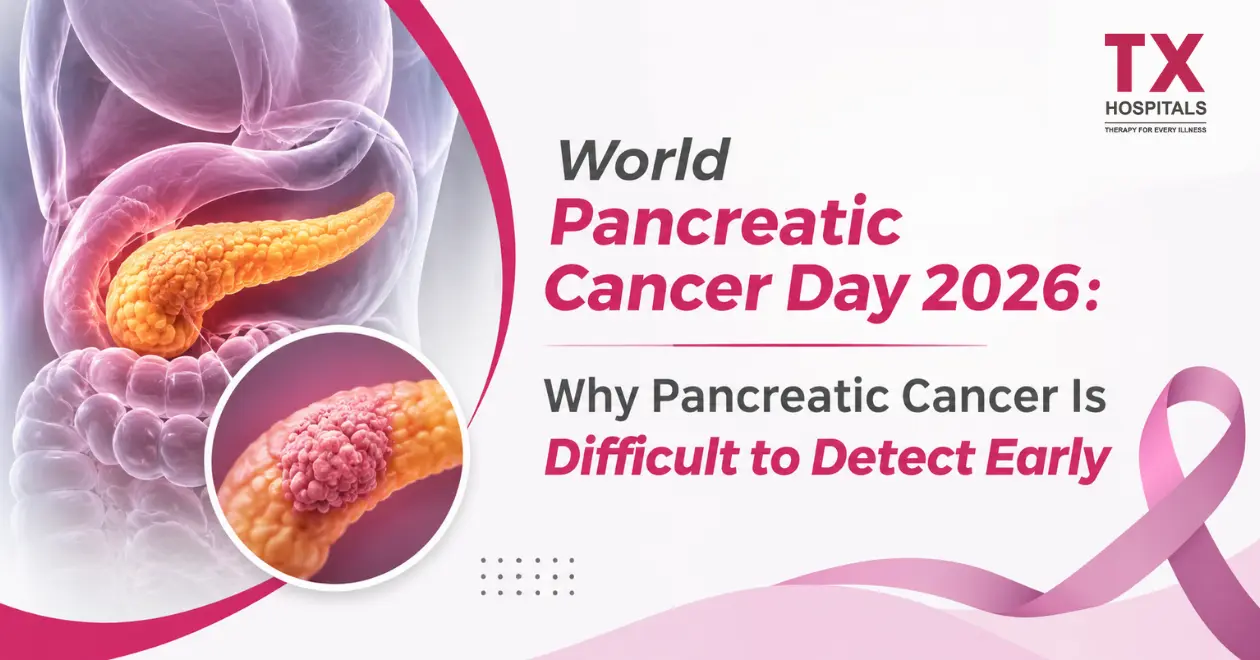
Pancreatic cancer is a type of cancer that develops in the pancreas, an organ located behind the stomach. It plays an important role in digestion and helps control blood sugar levels. When cancer develops in this organ, it can affect both functions.
One of the biggest challenges with pancreatic cancer is that it often does not cause clear symptoms in its early stages. Some signs may be mild and can easily be mistaken for common digestive problems. As a result, many people are diagnosed only after the cancer has progressed.
On World Pancreatic Cancer Day, observed on the third Thursday of November, the focus is on raising awareness about the disease, recognising possible warning signs and understanding why early diagnosis can be challenging.
What is Pancreatic Cancer?
Pancreatic cancer occurs when abnormal cells in the pancreas begin to grow uncontrollably and form a tumour. The most common type starts in the cells that line the ducts of the pancreas, which carry digestive juices.
The pancreas has two main functions:
- It produces enzymes that help break down food during digestion.
- It releases hormones, including insulin, that help control blood sugar levels.
When cancer affects the pancreas, it may interfere with these functions and cause changes in digestion, appetite and blood sugar levels.
Why is Pancreatic Cancer Difficult to Detect Early?
Pancreatic cancer can be difficult to identify in its early stages for several reasons.
1. Early Symptoms May Not Be Noticeable
In the beginning, pancreatic cancer may not cause any clear symptoms. Even when symptoms appear, they may be mild and easy to overlook.
Some people may experience stomach discomfort, loss of appetite or occasional digestive problems. Since these issues are common and can have many causes, they may not immediately raise concern.
2. Symptoms Can Resemble Common Digestive Problems
Pancreatic cancer may cause symptoms that are similar to those of other digestive conditions.
For example:
- Stomach pain may be mistaken for acidity or indigestion.
- Bloating may be linked to food-related problems.
- Loss of appetite may be associated with other health issues.
- Unexplained weight loss may not always be noticed immediately.
Do not ignore unexplained or persistent digestive changes. Get the right medical guidance at TX Hospitals, one of the top gastroenterology hospitals in Hyderabad, for timely diagnosis and care.
3. The Pancreas Is Located Deep Inside the Abdomen
The pancreas is located behind the stomach and deep inside the abdomen. Because of its position, a tumour may grow without causing an obvious lump or noticeable change that can be detected during a routine physical examination.
This can make early detection more challenging.
4. Symptoms May Appear as the Cancer Progresses
Some noticeable symptoms develop only when the tumour grows or affects nearby organs and structures.
For example, a tumour may block the bile duct and cause jaundice, which leads to yellowing of the skin and eyes. Other symptoms, such as persistent abdominal or back pain and unexplained weight loss, may also become more noticeable.
5. There Is No Routine Screening Test for Everyone
Unlike some other cancers, there is no standard screening test recommended for all people who have no symptoms and are at average risk of pancreatic cancer.
People with a strong family history or certain inherited genetic conditions may need specialised risk assessment and monitoring. This is why knowing your family history and discussing increased risk is important.
Warning signs of Pancreatic Cancer you should know
Although early symptoms can be difficult to recognise, knowing the possible warning signs can help people seek medical advice sooner.
Common symptoms include:
- Yellowing of the skin and eyes: This may happen when a tumour blocks the bile duct.
- Abdominal pain: Pain or discomfort may occur in the upper abdomen and sometimes spread to the back.
- Unexplained weight loss: Losing weight without changes in diet or physical activity may need attention.
- Loss of appetite: Feeling less hungry or getting full quickly.
- Digestive changes: Bloating, indigestion, nausea or changes in bowel habits.
- Dark urine and pale stools: These changes may occur when bile flow is affected.
- New or worsening diabetes: Changes in blood sugar levels can sometimes be associated with pancreatic cancer.
- Unusual tiredness: Persistent fatigue may occur along with other symptoms.
These symptoms can also be caused by conditions other than cancer. However, if they continue, become worse or occur without a clear reason, medical evaluation is important.
What increases the Risk of Pancreatic Cancer?
Pancreatic cancer can affect people with or without known risk factors. However, certain factors may increase the chances of developing it.
They include:
- Older age: The risk generally increases as people get older.
- Smoking: Tobacco use is an important risk factor.
- Family history: Having close family members with pancreatic cancer may increase risk.
- Inherited genetic changes: Certain inherited conditions can raise the risk.
- Chronic pancreatitis: Long-term inflammation of the pancreas is associated with an increased risk.
- Obesity: Excess body weight may contribute to a higher risk.
- Diabetes: Long-standing diabetes is associated with pancreatic cancer, while new-onset diabetes in some older adults can occasionally be an early sign.
Having one or more risk factors does not mean a person will develop pancreatic cancer. If you have concerns about your pancreatic health, consult the best gastro specialists in Hyderabad at TX Hospitals for expert evaluation and guidance.
Can Pancreatic Cancer Risk be Reduced?
Not all cases of pancreatic cancer can be prevented. However, certain lifestyle changes may help reduce some risk factors.
- Avoid smoking and tobacco products.
- Maintain a healthy body weight.
- Include fruits, vegetables and whole grains in daily meals.
- Stay physically active.
- Limit alcohol intake.
- Manage diabetes and other long-term health conditions.
- Discuss family history of pancreatic cancer or inherited conditions during medical consultations.
These steps support overall health but cannot guarantee protection against pancreatic cancer.
When should you seek Medical attention?
Do not ignore symptoms such as unexplained weight loss, persistent abdominal or back pain, yellowing of the eyes or skin, or sudden changes in blood sugar levels.
These symptoms may have several causes, but getting them checked can help identify the underlying problem. Early evaluation is especially important for people with a family history or known inherited risk factors.
Spreading awareness about Pancreatic Cancer
Pancreatic cancer can be difficult to detect early because its initial symptoms are often unclear and may resemble common digestive problems. Understanding the warning signs, knowing the risk factors and seeking timely medical evaluation can help people take informed steps towards their health.
On World Pancreatic Cancer Day, spreading awareness about this disease is an important step towards encouraging people to recognise persistent changes in their health and seek medical advice when needed.
Frequently Asked Questions
Disclaimer
The information provided in this blog is for general health awareness and educational purposes only. It should not be considered a substitute for professional medical advice, diagnosis or treatment. The content may not apply to every individual's health condition. Always consult a qualified healthcare professional for any medical concerns or treatment decisions. Do not ignore or delay medical advice based on the information shared in this blog.
Share this






Book Appointment
Categories
- Health Care
- Mother & Child
- Pediatric
- Health Days
- Urology
- Dental
- Gastroenterology
- Neurology
- Gynecology
- Orthopedics
- Cardiology
- Oncology
- Robotic Sciences
- Nephrology
- Rheumatology
- Pulmonology
- Cardiothoracic & Vascular Surgery
- Internal Medicine
- General Medicine
- Gastroeneterology
- Endocrinology
- Dermatology
- Pediatric Urologist
- Ophthalmology
- Gynecologist
- Ophthalmologist
- Ent
- Psychiatry
- Pediatrician
- Health Day
- Orthopaedics
- Spine Surgery
- General Physician
- Awarness Day
- Liver Transplantation Surgery
- Robotic Gastrointestinal (GI) Surgery
- Cardiac Sciences
- internal medicine
- General Surgeries
- Health care
- ENT
- cardiothoracic & vascular surgery
- Pediatric Neurologist
- Gastroenterologist
- Gynecology Hospitals
- oncology
- Trauma Surgeons
- Neuro Sciences
- Internal Madicine
- cardiac sciences
- Genecology
- Dietician
- Diabetology