World Patient Safety Day 2026: Safe Care for Noncommunicable Diseases
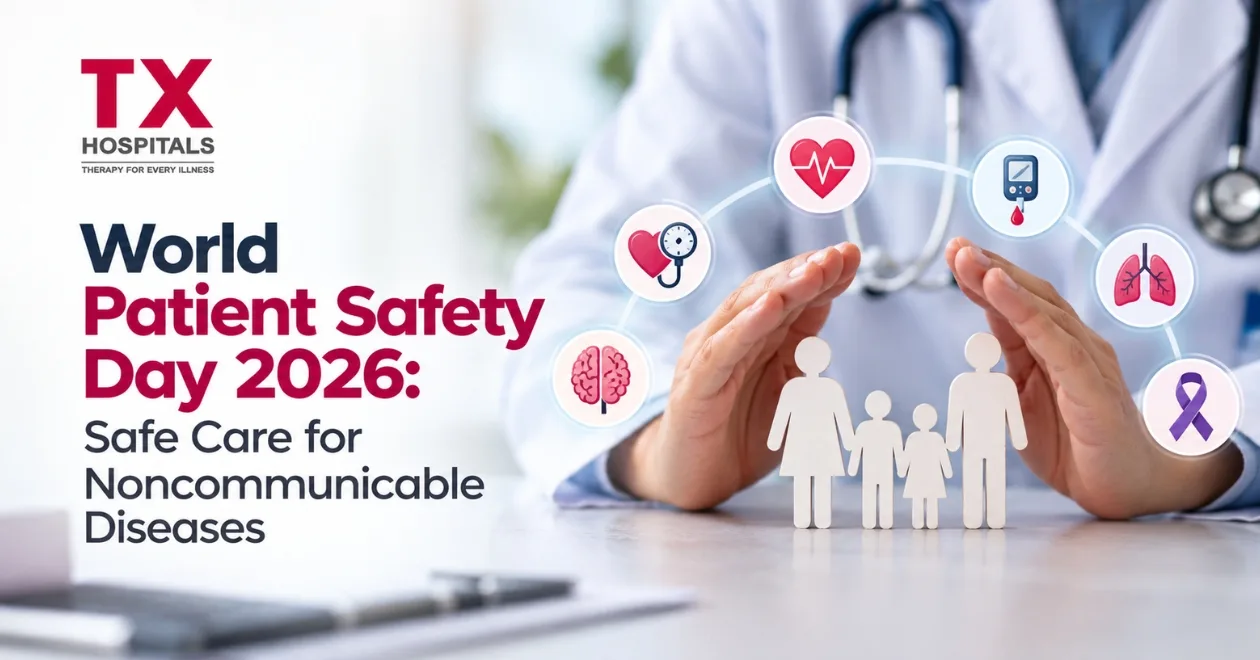
Every patient deserves safe and reliable care. This becomes even more important for people living with long-term health conditions who may need regular medicines, tests, doctor visits, and follow-up care.
World Patient Safety Day 2026 focuses on this important area with the theme “Safe care for noncommunicable diseases” and the official slogan “Safe care for life!” The campaign highlights the need to make care safer for people living with noncommunicable diseases (NCDs) throughout their lives.
What Is World Patient Safety Day?
World Patient Safety Day is observed every year on 17 September. It aims to raise awareness about patient safety and encourage action to reduce avoidable harm during healthcare.
The focus changes each year. In 2026, the campaign looks at the safety challenges faced by people living with NCDs, such as heart disease, cancer, diabetes and chronic respiratory diseases.
What are noncommunicable Diseases?
These health problems often build up slowly and can stay for a long time.
Some common ones are:
- Heart problems
- Diabetes
- Cancer
- Breathing problems
- High blood pressure
People with NCDs may need regular medicines, tests, and check-ups. Clear communication and proper follow-up can help make their care safer. TX Hospitals, among the top superspecialty hospitals in Hyderabad, provides care for various long-term health conditions.
Why Is Patient Safety important in NCD Care?
Managing a long-term condition is not just about taking medicines. It may involve regular tests, doctor visits, lifestyle changes, referrals and monitoring.
When care involves many steps, it becomes important to keep information clear and make sure everyone involved understands the treatment plan.
According to WHO, people living with NCDs can face a higher risk of harm because of the long-term and sometimes complex nature of their care. Safety risks can occur during prevention, diagnosis, treatment, follow-up and self-care.
What can affect Safe Care?
Several things can make NCD care more difficult or increase the risk of mistakes.
Medication Errors
People with long-term conditions may take more than one medicine. Taking the wrong medicine, incorrect dose, or missing important instructions can create safety problems.
Keeping an updated list of medicines and asking questions when something is unclear can help.
Delayed Diagnosis
Some NCDs may develop slowly, and early symptoms can sometimes be missed. Regular check-ups and recommended screening can help identify health problems earlier.
Poor Communication
Patients may see different doctors or visit different healthcare settings over time. Clear communication between healthcare professionals, patients and caregivers helps avoid confusion.
Missed Follow-Ups
Regular follow-up is often an important part of managing long-term conditions. Missing appointments or delaying recommended tests can make it harder to monitor changes in health.
Patients Can be part of Safer care
Patient safety is not only the responsibility of doctors and hospitals. People living with NCDs can also take an active role in their own care.
Simple steps include:
- Know your diagnosis and treatment plan
- Keep a note of the medicines you take
- Ask your doctor if you are not sure about something
- Keep your test reports safely
- Go for your follow-up visits on time
- Tell your doctor if you notice any new or unusual symptoms
- Check instructions before taking a new medicine
- Speak up if something about your care does not seem right
WHO also highlights meaningful patient engagement as an important part of making NCD care safer.
Safe Care Matters at every stage
Safe care is needed from the beginning of a health journey. It starts with prevention and early detection and continues through diagnosis, treatment, long-term management, rehabilitation, and self-care.
For people living with NCDs, care may happen in hospitals, clinics, homes, and communities. Making sure these different parts of care are connected can help reduce avoidable harm.
How Healthcare teams can support Patient Safety
Healthcare professionals can help make NCD care safer by:
- Listening carefully to patients
- Checking medicines and treatment details
- Supporting early and accurate diagnosis
- Explaining tests and treatment clearly
- Keeping proper follow-up records
- Communicating clearly during referrals
- Encouraging patients to ask questions
- Learning from mistakes and safety incidents
Good communication and proper follow-up can make a big difference in patient safety. TX Hospitals has experienced healthcare professionals, including some of the best doctors in Hyderabad, who focus on clear communication and safe patient care.
World Patient Safety Day 2026: safe are for life
World Patient Safety Day 2026 reminds us that patient safety should be part of every step of healthcare, especially for people living with long-term conditions.
The message “Safe care for life!” is about making sure people with noncommunicable diseases receive safe, coordinated, and quality care throughout their health journey.
For patients and families, one simple step can make a difference: stay informed, ask questions, follow your care plan and speak up when you have concerns.
Safe care is not only about treating a condition. It is also about protecting the person throughout the journey.
Frequently Asked Questions
Disclaimer
The information provided in this blog is for general health awareness and educational purposes only. It should not be considered a substitute for professional medical advice, diagnosis or treatment. The content may not apply to every individual's health condition. Always consult a qualified healthcare professional for any medical concerns or treatment decisions. Do not ignore or delay medical advice based on the information shared in this blog.
Share this






Book Appointment
Categories
- Health Care
- Mother & Child
- Pediatric
- Health Days
- Urology
- Dental
- Gastroenterology
- Neurology
- Gynecology
- Orthopedics
- Cardiology
- Oncology
- Robotic Sciences
- Nephrology
- Rheumatology
- Orthopaedics
- Pulmonology
- Internal Medicine
- General Medicine
- Gastroeneterology
- Endocrinology
- Dermatology
- Pediatric Urologist
- Ophthalmology
- Gynecologist
- Ophthalmologist
- Ent
- Psychiatry
- Pediatrician
- Health Day
- General Physician
- Awarness Day
- Liver Transplantation Surgery
- internal medicine
- General Surgeries
- Health care
- ENT
- cardiothoracic & vascular surgery
- Pediatric Neurologist
- Gastroenterologist
- Gynecology Hospitals
- oncology
- Trauma Surgeons
- Neuro Sciences
- Internal Madicine
- cardiac sciences
- Genecology
- Dietician
- Diabetology