World Pregnancy & Infant Loss Remembrance Day 2026: Breaking the Silence Around Pregnancy Loss
Introduction
Pregnancy is often associated with hope, excitement and dreams about the future. But for many families, pregnancy can also end in unexpected loss. Miscarriage, stillbirth and the loss of a newborn can be deeply emotional experiences, yet they are often difficult to talk about openly.
Observed every year on October 15, Pregnancy and Infant Loss Remembrance Day provides an opportunity to remember babies lost during pregnancy or infancy and to acknowledge the grief experienced by parents and families.
World Pregnancy & Infant Loss Remembrance Day 2026 is also an important reminder that pregnancy loss should not be surrounded by silence, shame or misunderstanding. Open conversations, compassionate support and appropriate medical care can help families feel less alone during a difficult time.
What Is Pregnancy Loss?
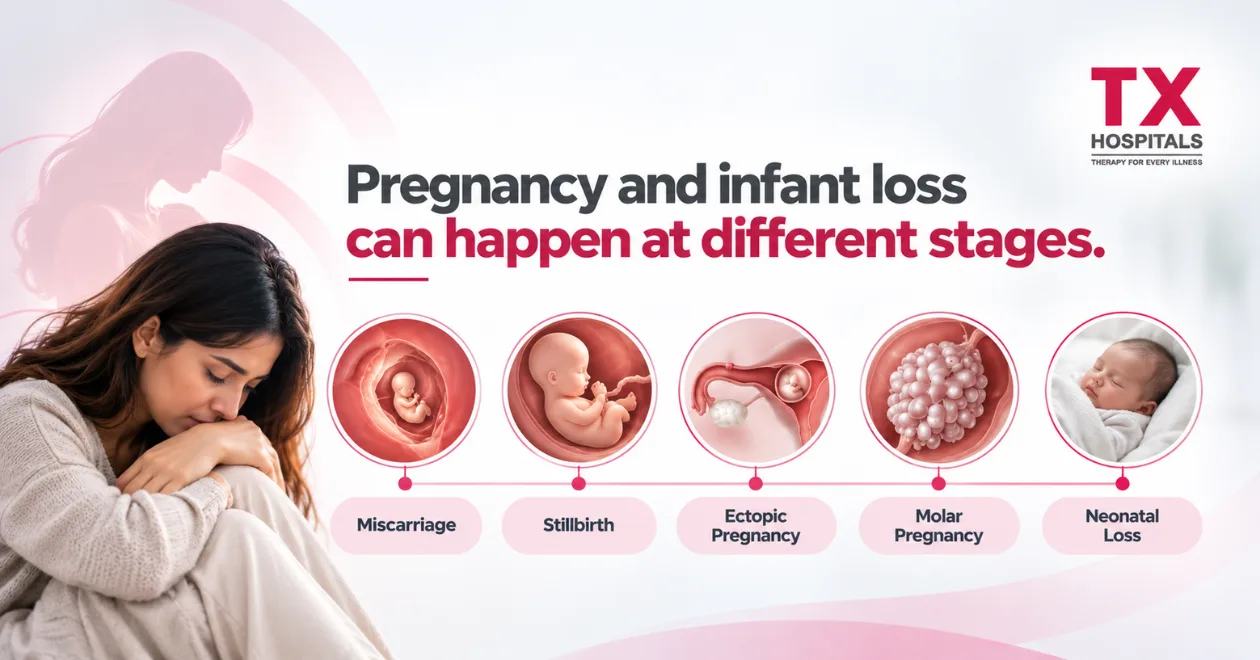
Pregnancy loss generally refers to the loss of a pregnancy before the baby is born. It can happen at different stages of pregnancy and for many different reasons.
Common forms of pregnancy and infant loss include:
- Miscarriage – loss of a pregnancy during the early stages of pregnancy.
- Stillbirth – the loss of a baby later in pregnancy.
- Ectopic pregnancy – when a fertilised egg implants outside the uterus, most commonly in a fallopian tube.
- Molar pregnancy – a rare complication involving abnormal tissue growth during pregnancy.
- Neonatal loss – the death of a newborn during the first weeks of life.
Every experience is different. Whether the loss happens early or later in pregnancy, the emotional impact can be significant.
Why Pregnancy Loss Needs More Open Conversation
Pregnancy loss is more common than many people realise, but it is still a subject that can be difficult to discuss.
Some parents may not know how to explain what they are going through. Others may worry that people will not understand their grief, particularly when the pregnancy ended very early.
Friends and relatives may also avoid the topic because they are unsure what to say. This silence can leave grieving parents feeling isolated.
Pregnancy & Infant Loss Remembrance Day 2026 encourages communities to create a more supportive environment where parents can speak about their experiences without feeling judged or dismissed.
Sometimes, simply acknowledging the loss and listening with compassion can provide meaningful emotional support.
What Can Cause Pregnancy Loss?
Pregnancy loss can occur for several reasons, and in some cases, the exact cause may never be identified.
Possible causes and contributing factors can include:
- Chromosomal abnormalities
- Problems with the development of the baby
- Hormonal disorders
- Structural abnormalities of the uterus
- Cervical problems
- Certain infections
- Placental complications
- Uncontrolled diabetes or thyroid disorders
- Blood clotting disorders
- Certain autoimmune conditions
- Severe pregnancy complications
Many early miscarriages happen because of chromosomal changes that affect the baby’s development. Normal activities like working, travelling or light exercise usually do not cause a miscarriage.
A medical check-up can help understand possible causes and plan future care. TX Hospitals, one of the best gynecology hospitals in Hyderabad, offers supportive care for women after pregnancy loss.
Warning Signs That Need Medical Attention
Some symptoms during pregnancy should always be discussed with a healthcare professional.
These may include:
- Vaginal bleeding
- Severe or persistent abdominal pain
- Strong pelvic cramps
- Fluid leaking from the vagina
- Dizziness or fainting
- Fever or chills
- Severe weakness
- Significant changes in fetal movement later in pregnancy
Bleeding during pregnancy does not always mean that a miscarriage is happening. However, it should be medically evaluated, particularly when it is heavy, persistent or accompanied by pain.
Severe abdominal pain, shoulder pain, dizziness or fainting during early pregnancy may sometimes be associated with an ectopic pregnancy, which requires urgent medical attention.
The Emotional Impact of Pregnancy and Infant Loss
Pregnancy loss is not only a physical experience. It can also have a significant emotional impact.
Parents may experience:
- Sadness
- Shock
- Anger
- Guilt
- Anxiety
- Loneliness
- Difficulty sleeping
- Fear about future pregnancies
- Difficulty talking about the experience
There is no single correct way to grieve.
Everyone deals with pregnancy loss differently. Some may want to talk about it, while others may need time and privacy.
Partners may also express their feelings in different ways. Understanding and supporting each other can make the recovery process a little easier.
Breaking the Silence Around Miscarriage
One of the most important messages of Pregnancy and Infant Loss Remembrance Day is that miscarriage should not be treated as something people have to hide.
Parents may sometimes blame themselves and wonder whether something they ate, did or failed to do caused the pregnancy loss.
In many cases, however, miscarriage occurs because the pregnancy was not developing normally and could not have been prevented.
Compassionate conversations can help reduce unnecessary guilt.
Instead of asking what went wrong or offering quick explanations, family and friends can simply acknowledge the loss.
Words such as “I’m sorry for your loss” or “I’m here if you want to talk” can often be more comforting than trying to find a reason for what happened.
Medical Care After Pregnancy Loss
Medical care following pregnancy loss depends on the stage of pregnancy, the cause of the loss and the patient's overall health.
Doctors may recommend:
- Physical examination
- Ultrasound
- Blood tests
- Hormonal testing
- Thyroid evaluation
- Testing for certain infections
- Genetic testing in selected cases
- Evaluation for blood clotting or autoimmune disorders
- Examination of the uterus when clinically required
Not everyone needs detailed tests after one miscarriage. Further evaluation may be advised if pregnancy loss happens more than once or if there are other health concerns.
At TX Hospitals, you can consult a top gynecologists in Hyderabad for the right tests, guidance and care based on your individual needs.
Recurrent Pregnancy Loss
Experiencing pregnancy loss more than once can be particularly distressing.
Recurrent pregnancy loss may sometimes be associated with genetic factors, uterine abnormalities, hormonal problems, autoimmune disorders or other medical conditions.
Doctors may recommend investigations such as blood tests, imaging studies and genetic evaluation depending on the patient's medical and pregnancy history.
Finding an underlying cause can sometimes help doctors plan treatment or closer monitoring during future pregnancies.
Even when a definite cause cannot be identified, specialist care can help couples understand their options and prepare for a future pregnancy.
Pregnancy After a Previous Loss
A new pregnancy after miscarriage, stillbirth or infant loss can bring mixed emotions.
Parents may feel hopeful while also worrying that another loss could happen. Routine appointments, scans and pregnancy milestones may become emotionally challenging.
Before trying for another pregnancy, a doctor may recommend reviewing:
- Physical recovery
- Previous pregnancy history
- Existing medical conditions
- Current medicines
- Folic acid requirements
- Vaccination status
- Lifestyle factors
- Results of previous investigations
The right time to try again can vary from person to person. Medical advice should be personalised according to the type of pregnancy loss, treatment received and overall health.
Emotional readiness matters too.
Supporting Someone After Pregnancy or Infant Loss
Support does not always require finding the perfect words.
Simple acts of kindness can make a meaningful difference.
Family members and friends can help by:
- Acknowledging the loss
- Listening without judgement
- Avoiding blame
- Giving parents time to grieve
- Offering practical help when needed
- Remembering important dates if appropriate
- Respecting whether parents want to talk or prefer privacy
Comments such as “you can always try again” or “everything happens for a reason” may be intended to provide comfort, but they can sometimes make parents feel that their loss is being minimised.
It is often better to listen and allow the grieving person to guide the conversation.
Remembering Babies Lost Too Soon
For many families, remembrance can be an important part of grieving.
Some may choose to light a candle, write a message, plant a tree, keep a photograph or memory box, attend a remembrance event or simply spend quiet time remembering their baby.
There is no right or wrong way to remember.
Pregnancy & Infant Loss Remembrance Day gives families around the world a shared moment to recognise babies who were deeply loved but could not stay.
When Should You Seek Professional Support?
Grief after pregnancy or infant loss can take time. However, additional emotional support may be helpful when sadness or anxiety begins to significantly affect everyday life.
Consider speaking with a healthcare professional if you experience:
- Persistent overwhelming sadness
- Severe anxiety
- Difficulty sleeping for a prolonged period
- Difficulty returning to everyday activities
- Intense guilt or self-blame
- Withdrawal from family and friends
- Persistent fear about another pregnancy
Counselling or mental health support can help parents cope with their emotions. TX Hospitals provides the best treatment for pregnancy complications in Hyderabad, along with guidance and support for women during recovery. Taking care of your emotional health is just as important as physical recovery.
Moving Forward With Compassion and Support
World Pregnancy & Infant Loss Remembrance Day 2026 reminds us that behind every pregnancy loss is a personal story, a family and a future that was imagined.
Breaking the silence does not mean asking grieving parents to share more than they are comfortable sharing. It means creating a society where they know they can speak when they want to and receive compassion when they do.
Better awareness can also encourage women to seek timely medical care when they experience concerning symptoms during pregnancy and appropriate evaluation following pregnancy loss.
On October 15, we remember babies lost during pregnancy and infancy, recognise the grief carried by their families and encourage more compassionate conversations around pregnancy loss.
At TX Hospitals, our specialists provide evaluation, pregnancy care and personalised medical guidance for women experiencing pregnancy-related concerns or planning pregnancy after a previous loss.
Book an appointment with our specialists for personalised pregnancy and women’s healthcare support.
Frequently Asked Questions
Disclaimer
The information provided in this blog is for general health awareness and educational purposes only. It should not be considered a substitute for professional medical advice, diagnosis or treatment. The content may not apply to every individual's health condition. Always consult a qualified healthcare professional for any medical concerns or treatment decisions. Do not ignore or delay medical advice based on the information shared in this blog.
Share this






Book Appointment
Categories
- Health Care
- Mother & Child
- Pediatric
- Health Days
- Urology
- Dental
- Gastroenterology
- Neurology
- Gynecology
- Orthopedics
- Cardiology
- Oncology
- Robotic Sciences
- Nephrology
- Rheumatology
- Orthopaedics
- Pulmonology
- Internal Medicine
- General Medicine
- Gastroeneterology
- Endocrinology
- Dermatology
- Pediatric Urologist
- Ophthalmology
- Gynecologist
- Ophthalmologist
- Ent
- Psychiatry
- Pediatrician
- Health Day
- General Physician
- Awarness Day
- Liver Transplantation Surgery
- internal medicine
- General Surgeries
- Health care
- ENT
- cardiothoracic & vascular surgery
- Pediatric Neurologist
- Gastroenterologist
- Gynecology Hospitals
- oncology
- Trauma Surgeons
- Neuro Sciences
- Internal Madicine
- cardiac sciences
- Genecology
- Dietician
- Diabetology