World Sepsis Day 2026: Understanding the Link Between Infection and Sepsis
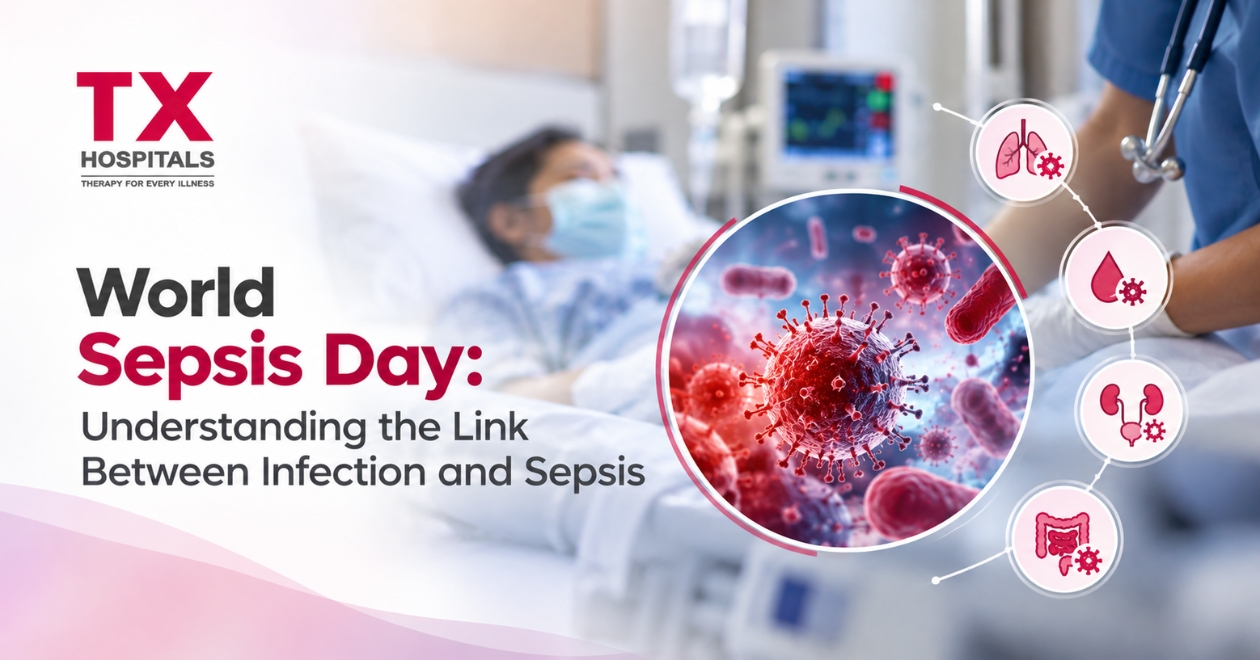
An infection may start in one part of the body, but sometimes it can become much more serious. In some cases, the body’s response to an infection can become uncontrolled and lead to sepsis.
World Sepsis Day is observed to raise awareness about sepsis, its warning signs, and the importance of getting medical help early. Knowing how an infection can progress to sepsis can help people recognise serious symptoms instead of ignoring them.
What is Sepsis?
Sepsis is a serious medical condition that happens when the body has an extreme response to an infection. This response can affect normal body functions and may lead to damage to organs.
Sepsis can happen because of different types of infections, including bacterial, viral, fungal or other infections. It can affect people of any age, although some people have a higher risk.
How are infection and Sepsis connected?
An infection happens when harmful germs enter the body. The immune system usually fights these germs and helps the body recover.
Most infections get better with proper care. But sometimes, the body can react too strongly to an infection. This can affect important organs like the lungs, kidneys, heart or brain.
This serious reaction is called sepsis.
Simply put, an infection can lead to sepsis, but not every infection causes sepsis. If an infection is getting worse or new symptoms appear, it is important to get medical help. TX Hospitals, among the best multispecialty hospitals in Hyderabad, provides care for infections and other serious health problems.
Where can Sepsis start?
Sepsis usually starts with an infection somewhere in the body. Some common places where the infection can begin are:
- Lungs: Infections like pneumonia
- Urinary system: Urine or kidney infections
- Skin: Infected cuts, wounds, or skin infections
- Abdomen: Infections in the stomach or intestines
- Bloodstream: When an infection spreads into the blood
Sometimes, doctors may not be able to find the exact source of the infection right away.
What are the warning signs of Sepsis?
Sepsis can develop quickly, so it is important to pay attention when someone with an infection suddenly becomes much more unwell.
Possible warning signs include:
- Fast breathing or difficulty breathing
- Fast heartbeat
- Fever, chills, or feeling unusually cold
- Confusion or unusual behaviour
- Extreme weakness or feeling very unwell
- Very little urine
- Pale, clammy, or unusually discoloured skin
- Dizziness or fainting
These symptoms can also happen with other health problems. However, when they appear along with a known or suspected infection, they should not be ignored.
Who may have a higher risk of Sepsis?
Sepsis can affect anyone, but the risk may be higher in certain people. This includes:
- Older adults
- Babies and young children
- People with weakened immune systems
- People with long-term health conditions
- People who have recently had major surgery
- People who are staying in a hospital or intensive care unit
- People with serious injuries or wounds
Having a risk factor does not mean a person will develop sepsis. It simply means extra care may be needed when an infection occurs.
Can a common infection turn into Sepsis?
Yes, an infection that seems manageable at first can sometimes become serious. So, it is important to notice any sudden changes in symptoms.
For example, a person with an infection may suddenly feel very weak, confused, unusually sleepy, breathless, or have a very fast heartbeat. These can be signs that the infection is becoming more serious.
It is better to seek medical help instead of waiting for symptoms to get worse. TX Hospitals, with some of the top healthcare specialists in Hyderabad, provides medical care when infections become serious.
Why is early Medical care important?
Sepsis can progress quickly and may cause serious complications if it is not recognised and treated promptly.
Doctors may assess the person's symptoms, medical history, vital signs, and possible source of infection. Blood tests, urine tests, scans, or other investigations may be recommended depending on the situation.
The treatment depends on the cause of the infection and the person's condition.
The key point is simple: do not ignore a sudden worsening of symptoms during an infection.
How can you Help prevent serious infections?
Not every infection can be prevented, but some everyday steps can lower the risk of infections and help protect your health.
- Wash your hands regularly
- Keep cuts and wounds clean
- Follow recommended vaccination schedules
- Practise good food and water hygiene
- Take care of long-term health conditions
- Do not ignore signs of infection that are getting worse
- Follow medical advice when an infection needs treatment
World Sepsis Day: know the signs, Act Early
World Sepsis Day is a reminder that infections should not always be taken lightly. Most infections do not lead to sepsis, but a serious infection can sometimes trigger a dangerous response in the body.
Knowing the warning signs can help you recognise when someone needs urgent medical attention. If a person with an infection suddenly develops breathing problems, confusion, extreme weakness or other serious symptoms, seek medical help immediately.
Recognising the change early can make a difference.
Frequently Asked Questions
Disclaimer
The information provided in this blog is for general health awareness and educational purposes only. It should not be considered a substitute for professional medical advice, diagnosis or treatment. The content may not apply to every individual's health condition. Always consult a qualified healthcare professional for any medical concerns or treatment decisions. Do not ignore or delay medical advice based on the information shared in this blog.
Share this






Book Appointment
Categories
- Health Care
- Mother & Child
- Pediatric
- Health Days
- Urology
- Dental
- Gastroenterology
- Neurology
- Gynecology
- Orthopedics
- Cardiology
- Oncology
- Robotic Sciences
- Nephrology
- Rheumatology
- Pulmonology
- Cardiothoracic & Vascular Surgery
- Internal Medicine
- General Medicine
- Gastroeneterology
- Endocrinology
- Dermatology
- Psychiatry
- Pediatric Urologist
- Ophthalmology
- Gynecologist
- Ophthalmologist
- Ent
- Pediatrician
- Health Day
- Orthopaedics
- Spine Surgery
- General Physician
- Health Awareness
- Awarness Day
- Liver Transplantation Surgery
- Robotic Gastrointestinal (GI) Surgery
- Cardiac Sciences
- internal medicine
- ENT
- General Surgeries
- Vascular Specialist
- Health care
- cardiothoracic & vascular surgery
- Pediatric Neurologist
- Gastroenterologist
- Gynecology Hospitals
- oncology
- Trauma Surgeons
- Neuro Sciences
- Internal Madicine
- cardiac sciences
- Genecology
- Dietician
- Diabetology
- Kidney Transplant Surgery