Paediatric Liver Transplant: When Do Children Need a New Liver?
Introduction:
A child's liver plays an important role in growth, digestion, metabolism and overall health. However, certain liver conditions present from birth or those that develop during childhood can cause serious damage and affect normal liver function. When the liver becomes severely damaged and cannot function properly, a liver transplant may be needed.
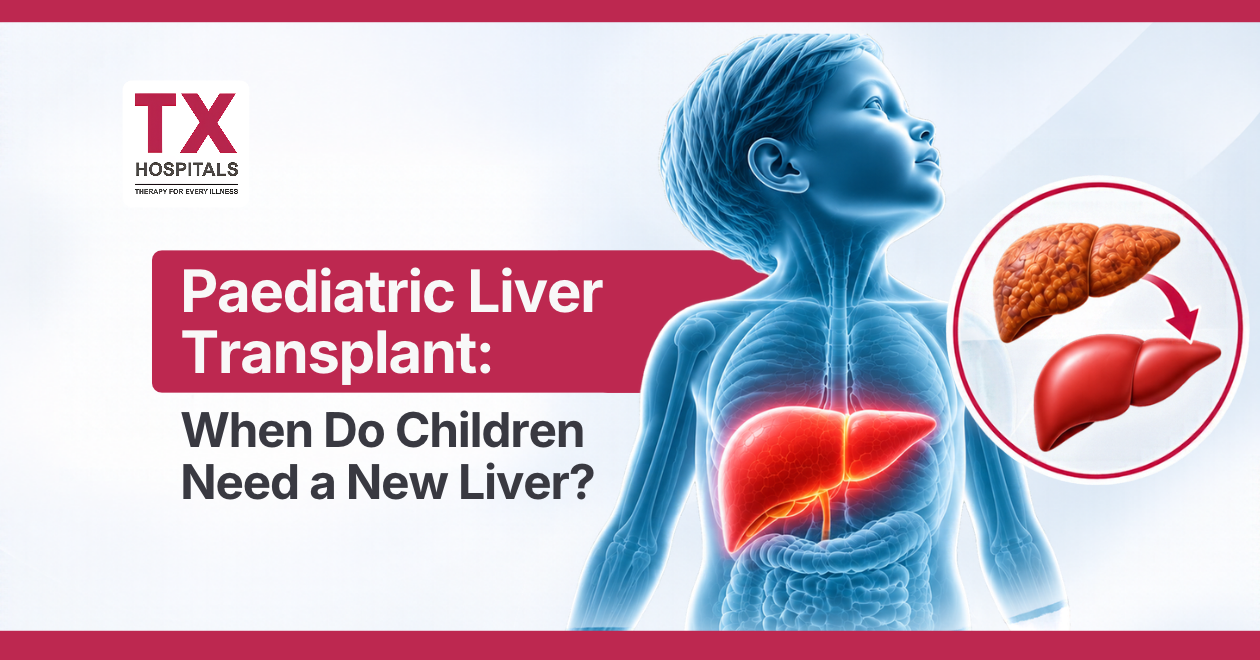
A paediatric liver transplant is a surgical procedure in which a child's diseased or damaged liver is replaced with a healthy liver or a suitable part of a donor liver. It may be recommended for children with advanced liver disease, liver failure or certain inherited conditions.
Recognizing the early signs of liver problems and understanding when a transplant may be needed can help parents seek timely medical care.
What Is a Paediatric Liver Transplant?
A paediatric liver transplant is a surgical procedure performed to replace a child's damaged liver with a healthy donor liver or a portion of one.
Unlike adults, children may develop liver problems due to genetic conditions, birth defects, infections or metabolic disorders. When these conditions cause severe liver damage, transplantation may become necessary.
Depending on the child's age, size, medical condition and donor availability, the transplant may involve:
- Living Donor Liver Transplant: A healthy donor, often a family member, donates a suitable portion of their liver.
- Deceased Donor Liver Transplant: A suitable liver or part of a liver is obtained from a deceased donor.
The liver has the ability to regenerate, allowing the remaining liver tissue in both the donor and recipient to grow and function over time.
When Do Children Need a Liver Transplant?
A liver transplant may be recommended when a child's liver is severely damaged and cannot perform its normal functions. The decision depends on the underlying condition, the extent of liver damage and the child's overall health.
Some common conditions that may require a paediatric liver transplant include:
1. Biliary Atresia
Biliary atresia is a condition in which the bile ducts are blocked, damaged or absent. Bile cannot flow properly from the liver to the intestine, causing it to build up in the liver.
This can lead to liver damage and cirrhosis if not managed early.
Common signs include:
- Yellowing of the skin and eyes (jaundice).
- Pale or clay-coloured stools.
- Dark-coloured urine.
- Poor weight gain.
- Swollen abdomen.
Some children may require a liver transplant if the condition progresses despite initial treatment.
2. Acute Liver Failure
Acute liver failure occurs when the liver suddenly loses its ability to function properly. It may develop due to viral infections, certain medications, toxins or other medical conditions.
Children with severe liver failure may develop jaundice, bleeding problems, changes in behaviour, confusion and other serious complications.
In some cases, an emergency liver transplant may be needed when the liver cannot recover.
3. Chronic Liver Disease and Cirrhosis
Certain liver conditions can cause long-term inflammation and scarring. Over time, healthy liver tissue gets replaced by scar tissue, affecting the liver's ability to function.
Advanced liver cirrhosis may lead to complications such as fluid buildup in the abdomen, poor growth, jaundice and portal hypertension.
When liver damage becomes severe, transplantation may be considered. Families exploring the best liver transplant hospitals in Banjara Hills can consider TX Hospitals for specialist evaluation and guidance on paediatric liver transplant care.
4. Metabolic and Genetic Liver Disorders
Some children inherit conditions that affect how the liver processes nutrients, proteins, fats or other substances.
Examples include:
- Wilson's disease.
- Alpha-1 antitrypsin deficiency.
- Tyrosinemia.
- Progressive familial intrahepatic cholestasis (PFIC).
These conditions can cause progressive liver damage and may require transplantation in severe cases.
5. Liver Tumours
Certain liver tumours, including hepatoblastoma, can develop during childhood. In selected cases where the tumour cannot be completely removed through conventional surgery, liver transplantation may be considered.
The decision depends on the tumour's size, location, spread and the child's overall condition.
What Are the Early Signs of Liver Problems in Children?
Liver conditions in children may develop gradually, and some symptoms can be difficult to recognise in the early stages.
Parents should watch for the following signs:
- Persistent jaundice: Yellowing of the skin and eyes due to increased bilirubin levels.
- Swollen abdomen: Fluid buildup or an enlarged liver may cause the stomach to appear swollen.
- Poor weight gain: Liver problems can affect digestion, nutrient absorption and normal growth.
- Dark urine: Urine may become darker than usual due to changes in bile processing.
- Pale stools: Light-coloured stools may indicate problems with bile flow.
- Poor appetite: Children may eat less than usual due to discomfort or illness.
- Easy bruising or bleeding: A damaged liver may not produce enough proteins needed for normal blood clotting.
- Persistent tiredness: Children may appear unusually weak or less active.
These symptoms do not always mean a child needs a liver transplant. For persistent symptoms or concerns about your child's liver health, consult the best liver specialists in Banjara Hills at TX Hospitals for timely evaluation and appropriate treatment.
How Is a Paediatric Liver Transplant Performed?
A paediatric liver transplant involves several steps to ensure that the child is suitable for surgery and receives an appropriately matched donor liver.
The process generally includes:
- Pre-transplant Evaluation: Doctors assess the child's liver function, overall health, nutritional status and the severity of the liver condition.
- Donor Assessment: A suitable donor liver is identified based on factors such as blood group compatibility, liver size and medical suitability.
- Surgical Procedure: The damaged liver is removed and replaced with a suitable donor liver or a portion of it.
- Post-surgical Monitoring: The child is closely monitored to check liver function, blood circulation and possible complications.
The duration and complexity of surgery depend on the child's condition and the type of transplant.
What Is Recovery Like After a Paediatric Liver Transplant?
Recovery after a liver transplant varies from child to child. Children usually require close monitoring in the hospital before gradually returning to their normal activities.
Some important aspects of recovery include:
- Regular Monitoring: Blood tests and other investigations help assess the functioning of the transplanted liver.
- Immunosuppressant Medicines: These medicines help prevent the child's immune system from rejecting the new liver.
- Nutritional Support: A balanced diet helps support healing, growth and overall development.
- Infection Prevention: Good hygiene and appropriate precautions help reduce the risk of infections.
- Regular Follow-ups: Ongoing medical visits help monitor liver function and identify complications early.
With appropriate follow-up care and medication, many children can return to school, play and other daily activities.
Give Your Child the Right Liver Care at TX Hospitals, Banjara Hills
A child's liver health is essential for healthy growth and development. When liver disease progresses and affects normal liver function, a timely transplant evaluation can help determine the right treatment.
At TX Hospitals, experienced liver transplant surgeons in Banjara Hills provide specialised evaluation and surgical care for children with complex liver conditions. Families receive guidance at every stage, from understanding the condition to exploring suitable transplant options.
Give your child the care and attention they deserve.
Book an Appointment: 9144514459
Frequently Asked Questions
Disclaimer
The information provided in this blog is for general health awareness and educational purposes only. It should not be considered a substitute for professional medical advice, diagnosis or treatment. The content may not apply to every individual's health condition. Always consult a qualified healthcare professional for any medical concerns or treatment decisions. Do not ignore or delay medical advice based on the information shared in this blog.
Share this






Book Appointment
Categories
- Health Care
- Mother & Child
- Pediatric
- Health Days
- Urology
- Dental
- Gastroenterology
- Neurology
- Gynecology
- Orthopedics
- Cardiology
- Oncology
- Robotic Sciences
- Nephrology
- Rheumatology
- Pulmonology
- Cardiothoracic & Vascular Surgery
- Internal Medicine
- General Medicine
- Gastroeneterology
- Endocrinology
- Dermatology
- Pediatric Urologist
- Ophthalmology
- Gynecologist
- Ophthalmologist
- Ent
- Psychiatry
- Pediatrician
- Health Day
- Orthopaedics
- Spine Surgery
- General Physician
- Awarness Day
- Liver Transplantation Surgery
- Robotic Gastrointestinal (GI) Surgery
- Cardiac Sciences
- internal medicine
- General Surgeries
- Health care
- ENT
- cardiothoracic & vascular surgery
- Pediatric Neurologist
- Gastroenterologist
- Gynecology Hospitals
- oncology
- Trauma Surgeons
- Neuro Sciences
- Internal Madicine
- cardiac sciences
- Genecology
- Dietician
- Diabetology